More than 100,000 Australians currently remain in the Middle East, with many caught in severe travel disruptions as the conflict in Iran escalates.
As the United States and Israel continue their strikes on the Iranian regime, Australian Foreign Minister Penny Wong has said it is a “challenging time” for many people, especially Australians impacted by the event.
According to the federal government, an estimated 115,000 Australian nationals are currently located in the Middle East, with over 100 defence personnel not involved in the current conflict but stationed across the region.
And while the Australian government has encouraged its citizens to leave the region, the avenues for doing so are narrowing.
However, the minister noted that the Labor government’s priority is to ensure the safety and security of Australians.
“We will continue to support Australians to navigate the disruption ahead, providing regular travel advice updates and consular assistance where we can, noting there are limits to what any government can do in a fast-moving and uncertain environment,” she said.
Wong told ABC News Breakfast that any Australian needing assistance in the Middle East should register with the Department of Foreign Affairs and Trade (DFAT).
The conflict is also likely to impact world travel with delays and cancellations expected on international flights, including those between Australia and Europe.
“Even if you are not travelling in or through the Middle East, your plans may still be affected,” Wong said.
Australians are being instructed not to travel to Bahrain, Gaza, Iran, Iraq, Israel, Kuwait, Lebanon, Qatar, Syria, the United Arab Emirates (UAE) or Yemen, and to reconsider the need to travel to Jordan, Oman and Saudi Arabia.
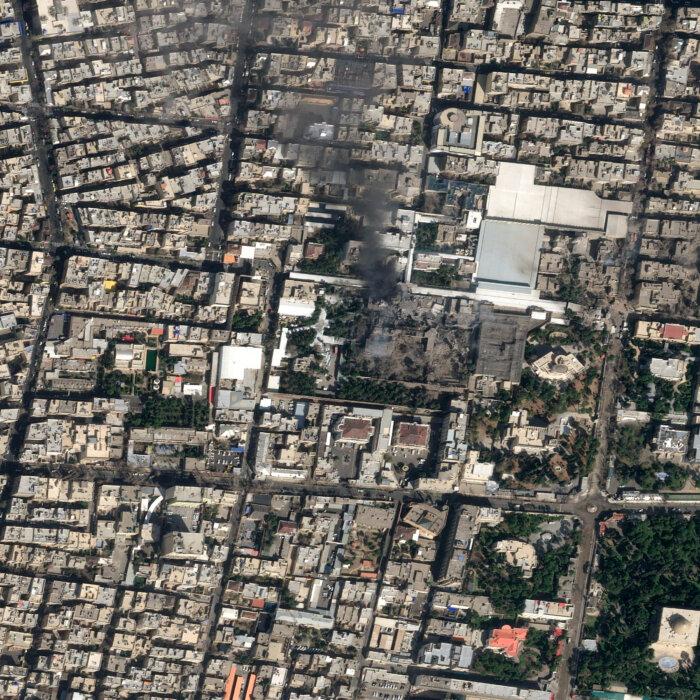
Iran has so far launched retaliatory strikes at Bahrain, Israel, Qatar, Kuwait, Saudi Arabia and the UAE and has focused on areas close to strategic air spaces.
As of March 2, flights were being cancelled across the Middle East and India.
Operation Epic Furry
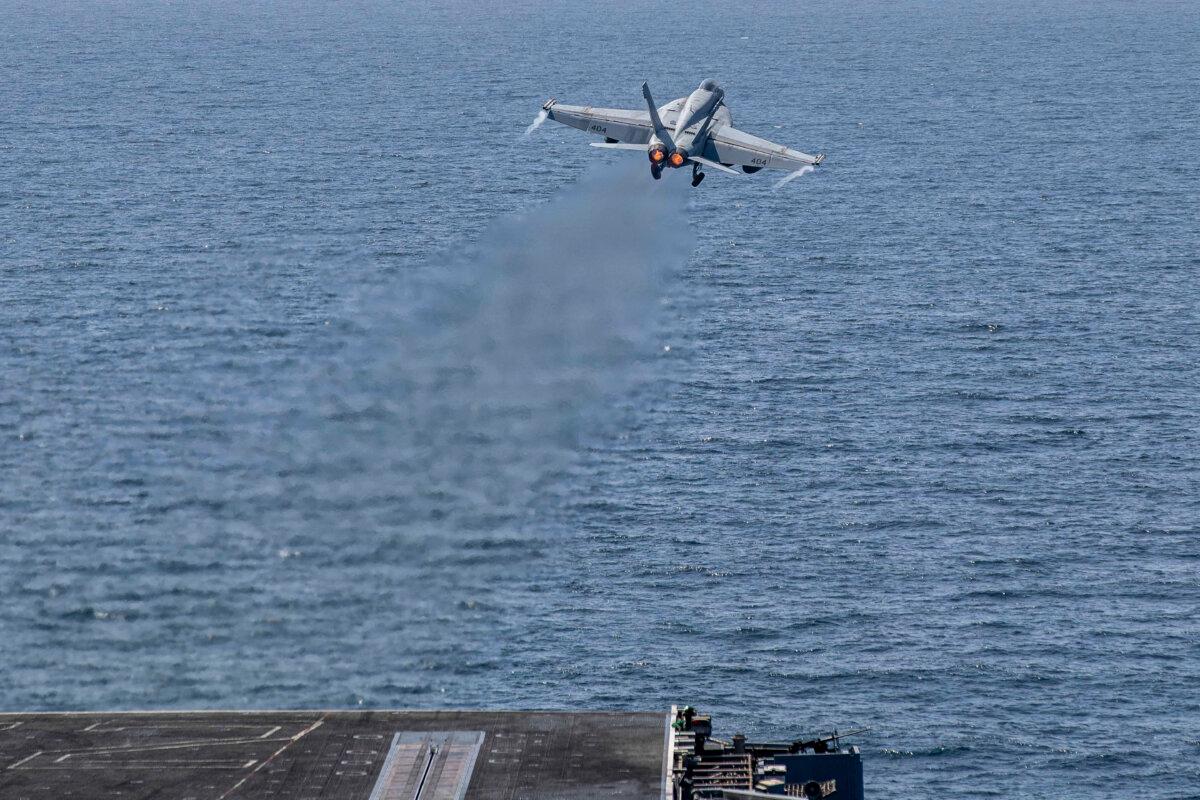
Operation Epic Fury was initiated on Feb. 28 as the United States and Israel launched coordinated military strikes on Iran following weeks of bloodshed as pro-democracy protesters were targeted by the Islamic Revolutionary Guard Corps (IRGC).U.S. President Donald Trump said the United States had “very strong objectives” in the nation which has been under strict Islamic control since April, 1979.
“Combat operations continue at this time in full force, and they will continue until all of our objectives are achieved,” he told reporters.
Three U.S. servicepeople have already lost their lives in the conflict, while at least nine people have been reported killed in Israel as Iran hit back with missile strikes.
Flight Delays Could be Ongoing
While Trump has estimated the war could last around four weeks, Australian Travel Industry Association CEO Dean Long said issues with flights in the region could continue for the “foreseeable future,” but urged Australians not to cancel flights.“Let the airline or tour operator make that call—if they cannot provide the service because it is unsafe, your rights are much better protected,” he told AAP.
Australia is not party to the conflict, but has expressed support for the action in Iran.
“We support the United States acting to prevent Iran from obtaining a nuclear weapon and to prevent Iran continuing to threaten international peace and security.”
The Prime Minister’s stance was backed by Defence Minister Richard Marles, who described Iran’s leadership as “abhorrent”.
The Department of Foreign Affairs has established a 24/7 crisis centre to provide consular support to Australians in the Middle East.
Australians abroad can call (+61) 2 6261 3305 for emergency consular advice.