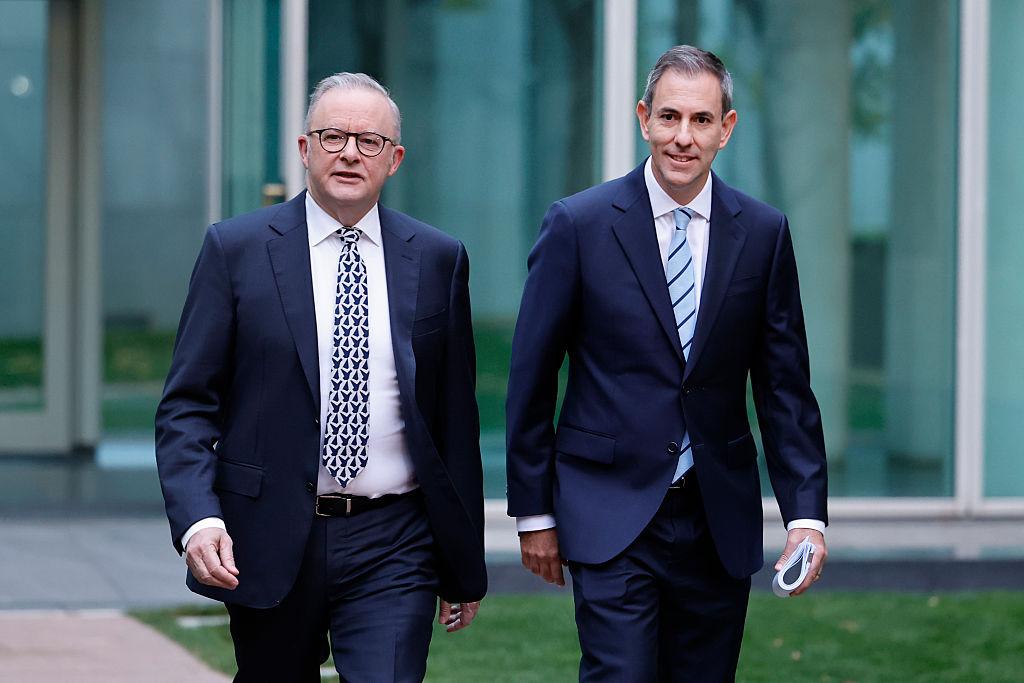
Treasurer Jim Chalmers has wrapped a three-day economic reform roundtable and managed to narrow down the contentious debate to 10 areas of consensus.
“These 10 areas give us a platform for action,” he told reporters, while acknowledging that specific solutions needed to be worked through.
Abolishing ‘Nuisance’ Tariffs
One of the most tangible outcomes was Chalmers’ commitment to abolish hundreds of nuisance tariffs, in concert with Trade Minister Don Farrell.Chalmers confirmed the government would build on last year’s decision to remove roughly 500 “nuisance tariffs” on everyday items such as toothbrushes, women’s health products and fridges—changes the government said would ease compliance costs and save more than $120 million over four years.
Broad Support for EV Road User Charge
One contentious area—Road User Charging (RUC)—found broad support in the room, but no final model was settled on.RUC is a distance-based fee that is charged for drivers, particularly electric vehicles (EVs) and heavy vehicles, to fund road maintenance and infrastructure
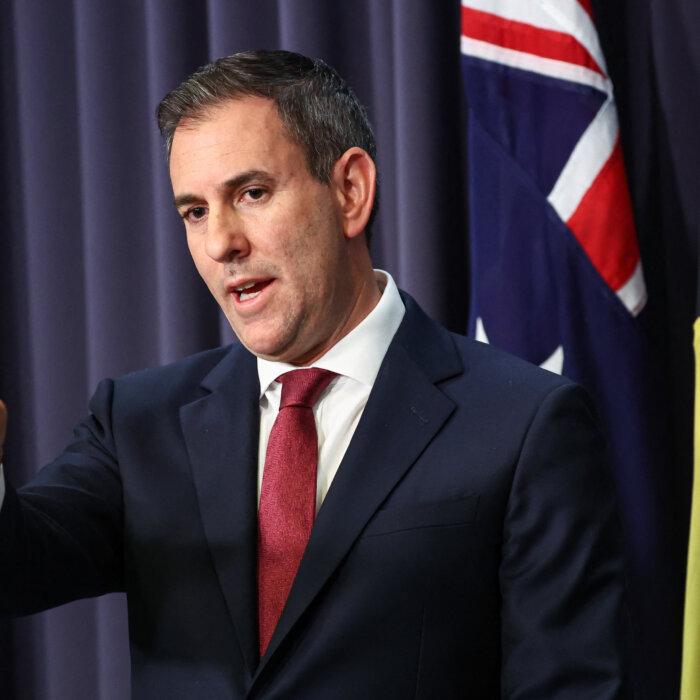
“There was more than the usual amount of consensus in a conceptual way around road user charging, a lot of reform appetite in that area,” Chalmers said.

States and territories are preparing an options paper to be discussed when Chalmers meets state treasurers on Sept. 5.
Principles on Future Tax Reform Agreed to, Actual Policy Unclear
On tax, participants converged on three areas to guide future policy: a system that deals with intergenerational inequality; an affordable way to incentivise business investment; and a simpler revenue base to fund welfare services for the aging population.There was no definite timeline proposed for when these changes come together.

However, prior to the conference Prime Minister Anthony Albanese confirmed that Labor will not make any changes to the tax system in this term.
“The only tax policy that we’re implementing is the one that we took to the election,” he told reporters in Melbourne last week.
Chalmers also signalled no appetite for a drawn-out public review.
Freeze on Further Changes to Building Code
The government will seek to reduce complexity and red tape in the National Construction Code (NCC), which can often add to the cost and time to building a new home.Housing Minister Clare O’Neil has confirmed a freeze on further NCC changes to help cut compliance costs and speed up builds—mirroring an approach the Coalition proposed at the last election.

Last week, O’Neil told the Australian Financial Review that industry consultations drove the shift in thinking.
Push to Streamline Environmental Red Tape
Chalmers said Environment Minister Murray Watt has been asked to accelerate reforms to the Environment Protection and Biodiversity Conservation (EPBC) Act, with an emphasis on stronger standards, faster approvals, and more transparency.He added that tens of thousands of environmental approvals for new homes were stuck.
Deregulation Bill This Year
Finance Minister Katie Gallagher will introduce a regulatory reform bill later this year, as both her and the treasurer ask the major regulators to look at how they can deregulate, and cut compliance costs.
“We have literally hundreds of ideas from the regulators, which is a very good thing,” he said.
An AI Game Plan
Artificial intelligence was another central theme, with Chalmers describing “a very heartening discussion” that brought participants closer on contentious issues such as copyright in AI training, an area Communications Minister Michelle Rowland is working on.
“Not a unanimous view yet, but a little bit closer together. And I see that as a very good thing in terms of the overarching legislative question,” he said.
The government will conduct a gap analysis to determine whether a standalone AI Act is needed or whether existing laws can be updated.
Chalmers also referenced work on areas like a national AI capability plan, rules on building data centres that serve the national interest, and the resourcing challenges behind them.

Improving Government Services
Beyond AI, Chalmers said the government will examine modernising procurement and making better use of data to improve services.The Investor ‘Front Door’
To make Australia a more attractive destination for capital, the government will launch an “investor front door” pilot next month.
The initiative is designed to simplify and speed up how investors interact with government.
One of the last areas was to train and build a skilled workforce.
What Did the Opposition Say?
Shadow Treasurer Ted O’Brien did not seem impressed by the roundtable and instead issued a statement accusing the government of waste and poor fiscal stewardship.O’Brien argued the current government benefited from the highest terms of trade in Australia’s history, delivering a $241 billion boost to the budget bottom line over four years.
“Had the Treasurer simply sat on his hands and allowed this windfall to pay down debt, it would have fallen by $241 billion. Yet a comparison of the 2022 and 2025 [Pre-election Economic and Financial Outlook or PEFOs] shows debt is only $147 billion lower than originally forecast. So roughly $100 billion has gone missing. Where did it go?”