Using the latest figures from 2022–23, researchers found 3.7 million people, or 14.2 percent of the population, were living below the poverty line, up from 12.4 percent in 2020–21.
The child poverty rate also rose, with one in six children—757,000—affected.
Rising Rents and Vanishing Support
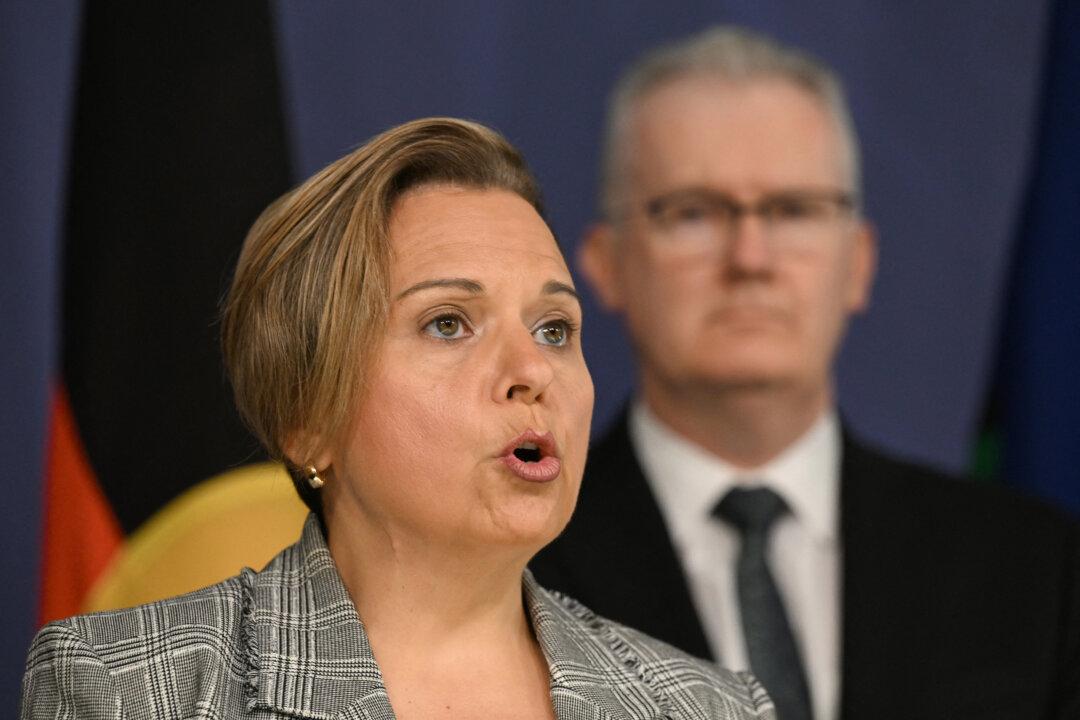
The report attributes the increase to surging housing costs and the end of COVID-era income supports.“The number of people living in poverty decreased in 2020 due to the temporary effective doubling of JobSeeker through the COVID supplement—but has since sharply risen to be now above pre-pandemic levels, with the removal of the COVID payments and dramatic rising housing costs,” Naidoo said.
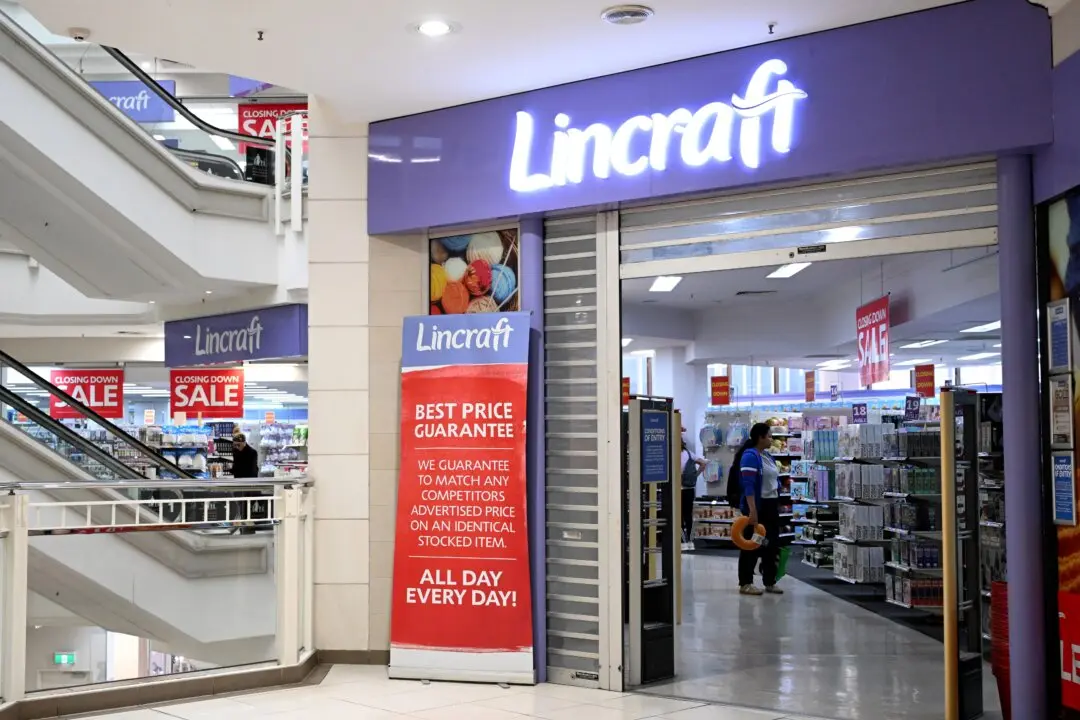
Rents have risen steeply in major cities.
Between June 2021 and June 2023, the median advertised rent for units increased 40 percent in Sydney, 34 percent in Melbourne, and 41 percent in Brisbane.
“The steep increase in rents in recent years has had a particularly severe impact on people with the lowest incomes,” she added.
The study defines the poverty line as half the median household after-tax income, which comes to $584 a week for a single adult and $1,226 for a couple with two children.
Calls for Government Action
ACOSS CEO Cassandra Goldie AO said the findings show that “much greater action is needed to tackle poverty.”She said while the Albanese government has taken some steps to reduce poverty, such as supporting minimum wage increases and small income-support increases, it must do so much more to turn this trend around.
“The government must fix woefully inadequate income-support payments, set targets and boost social housing and commit to full employment. It should also adopt time-linked targets for poverty reduction to hold us all to account,” she said.
Mission Australia CEO Sharon Callister said frontline services were seeing growing distress.
Poverty Above Pre-Pandemic Levels
The 2024 Productivity Commission report (pdf) also found that poverty has risen slowly but steadily since the pandemic.About 10 percent of people have endured poverty in at least three of the five years between 2018 and 2022.
People most at risk include single parents, renters, older Australians, those not in paid employment, and migrants who do not speak English at home.
Poverty rates are generally lower in cities but remain high in regional and remote areas, where essential goods often cost more.
“Australia really has been the ‘land of the fair go’ for many, but we can’t ignore what’s happening for people in poverty,” said Productivity Commission Chair Danielle Wood.
Government Defends Assistance
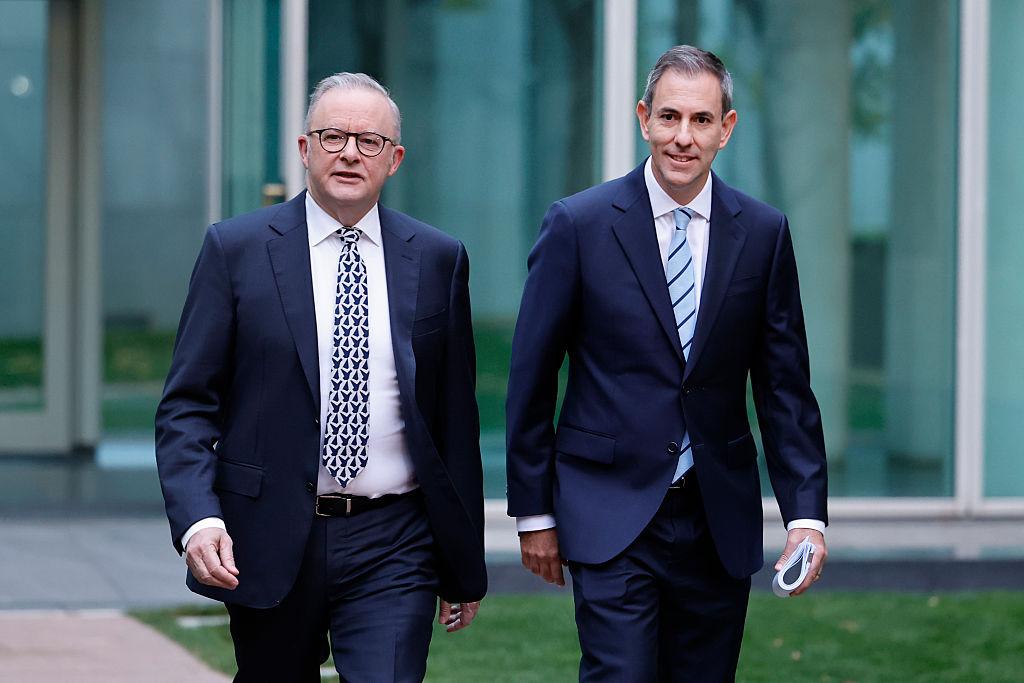
Treasurer Jim Chalmers defended his government’s record on supporting low-income Australians following the latest poverty report, saying Labor has already made permanent increases to key payments.He said the base rate of JobSeeker had been lifted in a “permanent and ongoing way,” in addition to regular indexation, meaning recipients are now receiving more than $100 a fortnight extra compared to when Labor took office.
“But I do recognise that there is a constituency of people that I respect who would like us to do more,” Chalmers told reporters.
“We’re a Labor government, and from budget to budget, we do what we can to help people on low and fixed incomes.”
Chalmers added that his government has also delivered higher rent assistance, energy bill relief, and social housing investments.
“There are a whole bunch of ways we’re helping people on low and fixed incomes, and I respect and value those who say we should do more and do it faster,” he said.