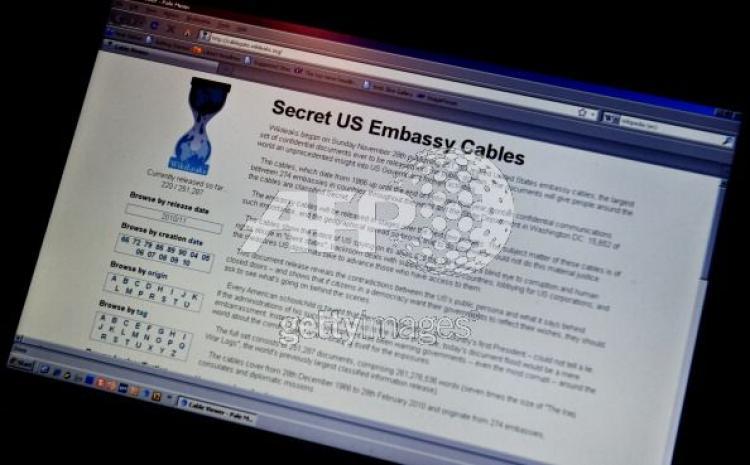
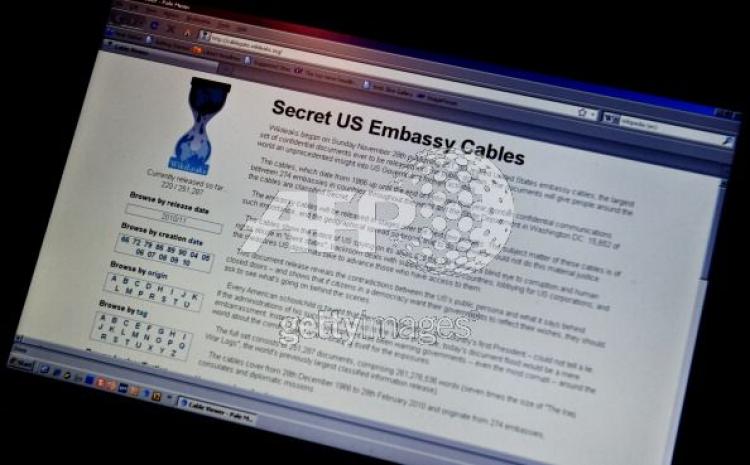
WikiLeaks started releasing hundreds of thousands of U.S. diplomatic cables this week. WikiLeaks publishes unedited materials from anonymous sources. They say they are guided by the Universal Declaration of Human Rights, which includes freedom of opinion and expression. According to its website, “WikiLeaks has sustained and triumphed against legal and political attacks designed to silence our publishing organization, our journalists, and our anonymous sources.”
They think they are a noble, scrappy David fighting Goliath. They are wrong, and here’s why.
First, the U.S. government has made serious mistakes. Those who have revealed those mistakes are patriots. For example, President Richard Nixon’s use of the CIA to overturn a democratically elected government in Chile in the 1960s was a greater crime than the Watergate burglary, and it is very good that both things are known. Both revelations were done responsibly, and led to government hearings, and legal action.
The free press and the whistle-blower are essential. WikiLeaks is not the free press. It applies no judgment to its revelations.
For the Iraq and Afghanistan releases from earlier this year, as well as for the current release of diplomatic cables, U.S. officials contacted WikiLeaks and asked them to hold back some information, lest it put people’s lives at risk. Those who cooperate with Americans in Afghanistan and Iraq can face severe retaliation. Responsible journalists would take those requests more seriously than WikiLeaks did.
The Society of Professional Journalists (SPJ) code of ethics says a journalist must “minimize harm. Ethical journalists treat sources, subjects, and colleagues as human beings deserving of respect. Journalists should show compassion for those who may be affected adversely by news coverage.”
In the movie Fair Game, CIA agent Valerie Plame carefully wins over the sister of an Iraqi nuclear scientist. The goal is to persuade him to defect, and the lure Plame uses to convince his sister to approach him is that he will be safe in America. If he does not defect, his knowledge could be used to do terrible harm. He decides to take the risk.
News media revealed Valerie Plame’s identity. Viewers see the scientist and his family waiting to defect to safety. “They will come,” he says.
No one came. Every secret task Plame was working on was aborted. The fictional scientist disappeared. The real Plame, who never gave any details of her covert work, said people undoubtedly died because her identity was revealed.
Diplomats’ private assessments of world leaders should not be confused with policy matters or with government malfeasance. These opinions should be both candid and secret. After learning that another country’s diplomats think you are flabby or drunken, or a scolder or obsessive or otherwise ridiculous, could you sit at the table of peace? Negotiate an arms reduction treaty? Release a couple of captured hikers?
If you had been inclined to try for peace, would you still be so inclined after being publicly shamed?
Yet WikiLeaks published these things wholesale. It gave no analysis, no context, and did it all anonymously. Though it says it verifies all information sources sent it, there is an inherent problem with mounds of information that its sources are too cowardly to stand up and claim.
SPJ says journalists should “identify sources whenever feasible. The public is entitled to as much information as possible on sources’ reliability. Always question sources’ motives before promising anonymity. Clarify conditions attached to any promise made in exchange for information.”
WikiLeaks needs to stop calling itself a form of news media.
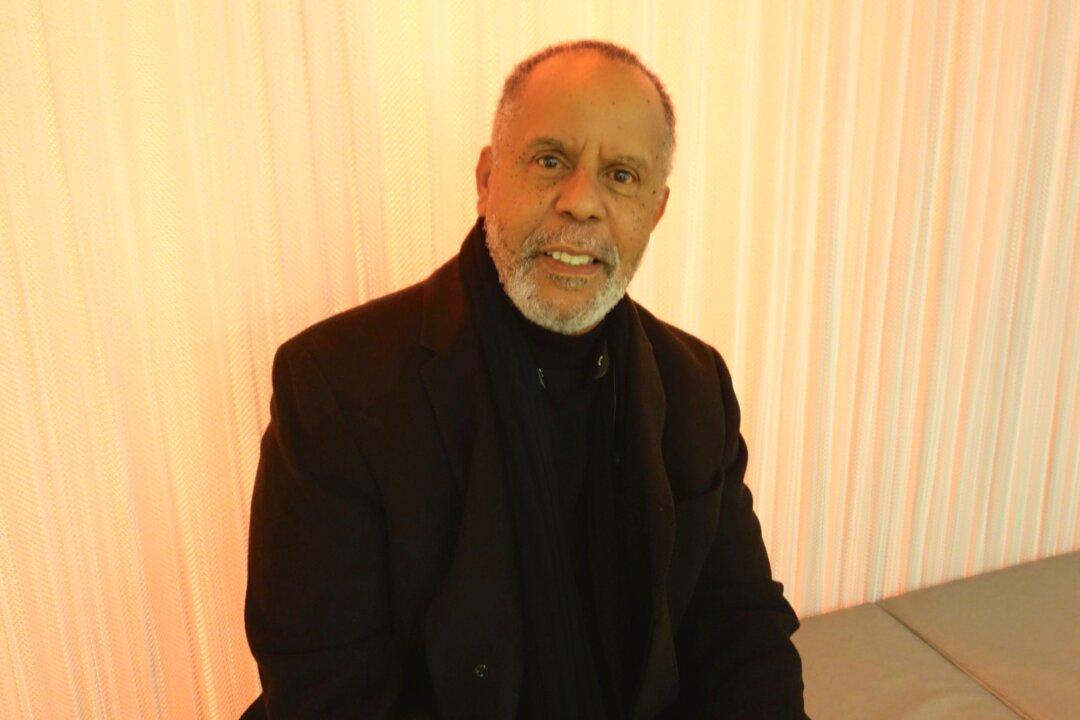
Mary Silver lives in Atlanta, Ga., and can be reached at [email protected]
They think they are a noble, scrappy David fighting Goliath. They are wrong, and here’s why.
First, the U.S. government has made serious mistakes. Those who have revealed those mistakes are patriots. For example, President Richard Nixon’s use of the CIA to overturn a democratically elected government in Chile in the 1960s was a greater crime than the Watergate burglary, and it is very good that both things are known. Both revelations were done responsibly, and led to government hearings, and legal action.
The free press and the whistle-blower are essential. WikiLeaks is not the free press. It applies no judgment to its revelations.
For the Iraq and Afghanistan releases from earlier this year, as well as for the current release of diplomatic cables, U.S. officials contacted WikiLeaks and asked them to hold back some information, lest it put people’s lives at risk. Those who cooperate with Americans in Afghanistan and Iraq can face severe retaliation. Responsible journalists would take those requests more seriously than WikiLeaks did.
The Society of Professional Journalists (SPJ) code of ethics says a journalist must “minimize harm. Ethical journalists treat sources, subjects, and colleagues as human beings deserving of respect. Journalists should show compassion for those who may be affected adversely by news coverage.”
In the movie Fair Game, CIA agent Valerie Plame carefully wins over the sister of an Iraqi nuclear scientist. The goal is to persuade him to defect, and the lure Plame uses to convince his sister to approach him is that he will be safe in America. If he does not defect, his knowledge could be used to do terrible harm. He decides to take the risk.
News media revealed Valerie Plame’s identity. Viewers see the scientist and his family waiting to defect to safety. “They will come,” he says.
No one came. Every secret task Plame was working on was aborted. The fictional scientist disappeared. The real Plame, who never gave any details of her covert work, said people undoubtedly died because her identity was revealed.
Diplomats’ private assessments of world leaders should not be confused with policy matters or with government malfeasance. These opinions should be both candid and secret. After learning that another country’s diplomats think you are flabby or drunken, or a scolder or obsessive or otherwise ridiculous, could you sit at the table of peace? Negotiate an arms reduction treaty? Release a couple of captured hikers?
If you had been inclined to try for peace, would you still be so inclined after being publicly shamed?
Yet WikiLeaks published these things wholesale. It gave no analysis, no context, and did it all anonymously. Though it says it verifies all information sources sent it, there is an inherent problem with mounds of information that its sources are too cowardly to stand up and claim.
SPJ says journalists should “identify sources whenever feasible. The public is entitled to as much information as possible on sources’ reliability. Always question sources’ motives before promising anonymity. Clarify conditions attached to any promise made in exchange for information.”
WikiLeaks needs to stop calling itself a form of news media.
Mary Silver lives in Atlanta, Ga., and can be reached at [email protected]