There is a creed among Vietnam veterans to ensure this never happens again—and this was reiterated as a guiding ideal for veterans by Fang Wong when he accepted his position as the National Commander of the American Legion on Sept. 1, representing the nation’s largest veterans organization.
He stated that “As the largest bloc of veterans represented in this organization today, those of us who served in Vietnam are duty-bound to ensure the same mistakes will not happen to the next generation of veterans.”
During a phone interview, Wong said he wants to establish a culture where veterans can view each other as veterans—not representing the political decisions that dictated what they had to do, let alone the outcome. He added that maybe a growing respect between veterans of different wars and generations will echo throughout the nation.
“They served the country; they do what they’re told to. It’s not about the outcome,” Wong said. “When they return, we should show how grateful we are they answered the call to serve, especially this day and age when there’s no draft, and everybody is a volunteer.”
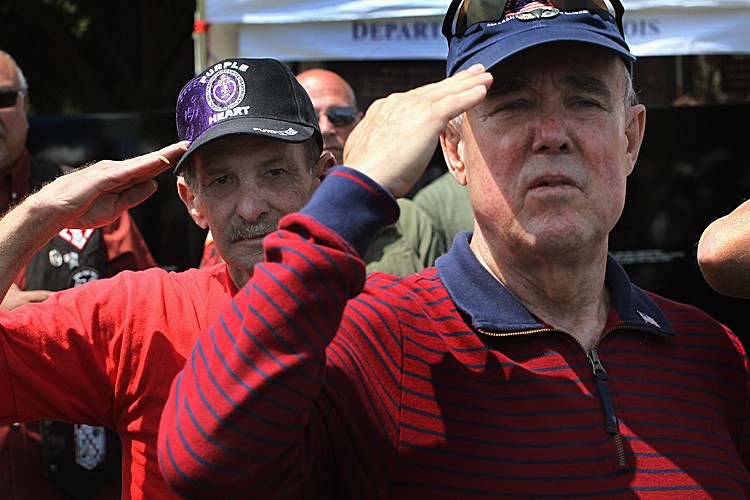
Many Vietnam veterans will tell of the scars still left from their return home. Larry Shaver, a Veterans of Foreign Wars (VFW) regional commander, said that when he first came back, the VFW “didn’t want Vietnam veterans at all.”
One of the main purposes of veterans organizations is to give them an outlet—a place of gathering—where others not only know what they went through, but also can relate to their circumstances.
Yet feeling cast out, some Vietnam veterans turned instead to drugs or alcohol.
This changed over time, however, and some of these veterans “bore it out,” as Shaver puts it, took the ridicule, and eventually became leaders of veterans organizations.
Where it stands now, many of the top positions of these organizations are held by Vietnam veterans, clear on a principle to “make sure the guys and girls who are going over there now … We want to make sure that they are not in any way treated the way we were,” Shaver said.
Societal Pressures
Even with the culture changing among veterans, however, problems faced from the rest of society are another issue in itself. Many veterans are having trouble finding jobs, since with widespread news of rising rates of post traumatic stress disorder (PTSD), some employers question whether veterans are stable.
This has been a “detriment to the returning veteran,” according to Shaver, because it is causing many of them to avoid seeking medical treatment for fear of being judged by employers and then being unable to find work.
“For that reason, a lot of people don’t seek help for these things, which basically just destroys them,” Shaver said.
Similarly, there are veterans with PTSD who are avoiding trying to find employment “because they don’t want to invest money into training and things like this and have it go down the drain,” he said.
“What’s happening now is employers are looking at veterans who are coming back and saying: ‘You’ve been in combat, you must have a problem. Are you safe to be an employee?’” said Barry Searle, American Legion director of national security and foreign relations, in a phone interview.
The problem, according to Shaver, is similar to that which was once prominent even among veterans—misunderstanding and generalization.
He said what it comes down to is educating the public and veterans, alike, that “Regardless of what happens in war, how it’s handled, or the political aspect of it, the soldier, sailor, marine, or airman that goes to battle, goes to battle for his country, his flag, and for his freedom.
“He does not go to battle because he likes to go to battle or anything like that. It’s not about that. It’s about his country—and that’s what we should keep in focus all the time.”