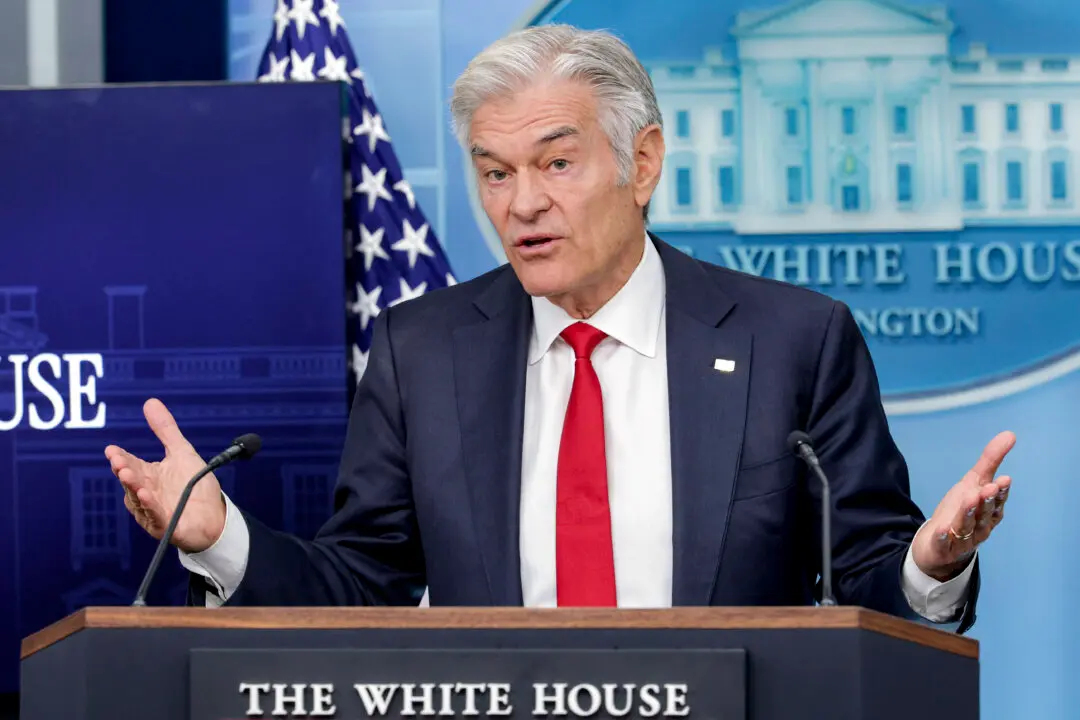
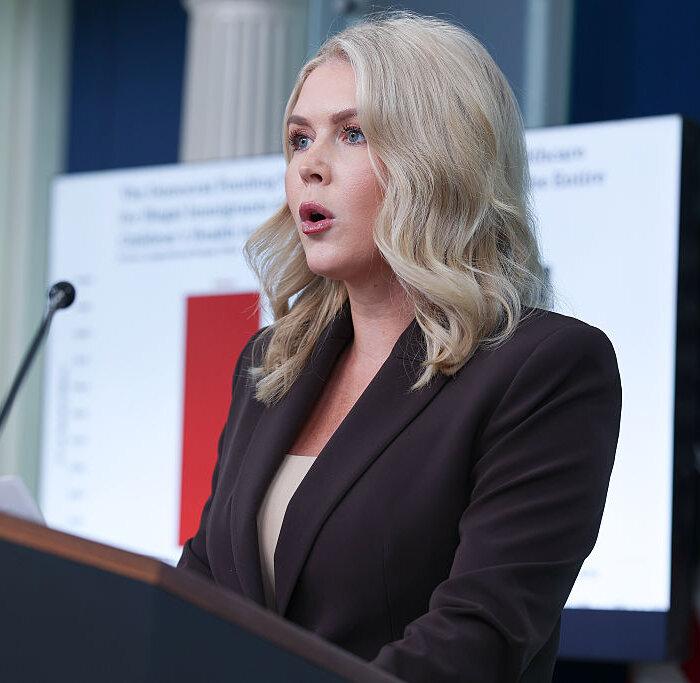
The Supplemental Nutrition Program for Women, Infants and Children, known as WIC, will run out of federal funding “very soon” due to the federal government shutdown, White House press secretary Karoline Leavitt said on Oct. 6.
The program provides nutritional support and education to about 6.8 million low-income pregnant and postpartum women, infants, and children younger than 5 years old.
WIC, which began with a pilot program in 1972, is not an entitlement program like Medicare or Medicaid for which ongoing funding is guaranteed by federal law. Instead, WIC is funded annually by Congress for the fiscal year, which runs from Oct. 1 to Sept. 30. The Department of Agriculture makes grants to each state. Spending authority for the federal government expired at midnight on Sept. 30.
“As we head into a partial federal government shutdown, NWA anticipates that WIC has enough funding on hand to remain open for the short term—likely one to two weeks,” Georgia Machell, president and CEO of the National WIC Association (NWA), said in a statement.
NWA is an independent advocacy group that includes state WIC agencies and other groups.
The program is administered by the states through county and city health centers or private nonprofits, which provide food vouchers and other services such as breastfeeding support, infant formula, and health screenings. In 2024, WIC served about 41 percent of infants in the United States at a total program cost of $7.2 billion, according to the Department of Agriculture.

If the federal grant money runs out, states would have to shoulder the program’s cost until further federal funds are allocated.
A spokesperson for the Indiana Department of Health told The Epoch Times that its WIC program is continuing normal operations but that health officials are continuing to monitor the situation.
New York State’s WIC program remains open “for the time being,” a spokesperson told The Epoch Times. Officials are closely monitoring federal developments.
The Center on Budget and Policy Priorities, a liberal think tank, estimated on Sept. 29 that the WIC contingency fund of $150 million would last about one week.
Republicans have offered a continuing resolution to temporarily extend federal spending at current levels while spending negotiations continue.
Democrats have offered a competing resolution that includes restoration of health-related provisions omitted from the One Big Beautiful Bill Act, which Republicans say would add about $1.5 trillion in spending.
The Republican measure passed the House on Sept. 19, but has failed to pass in the Senate four times.
A fifth Senate vote is expected later on Oct. 6.