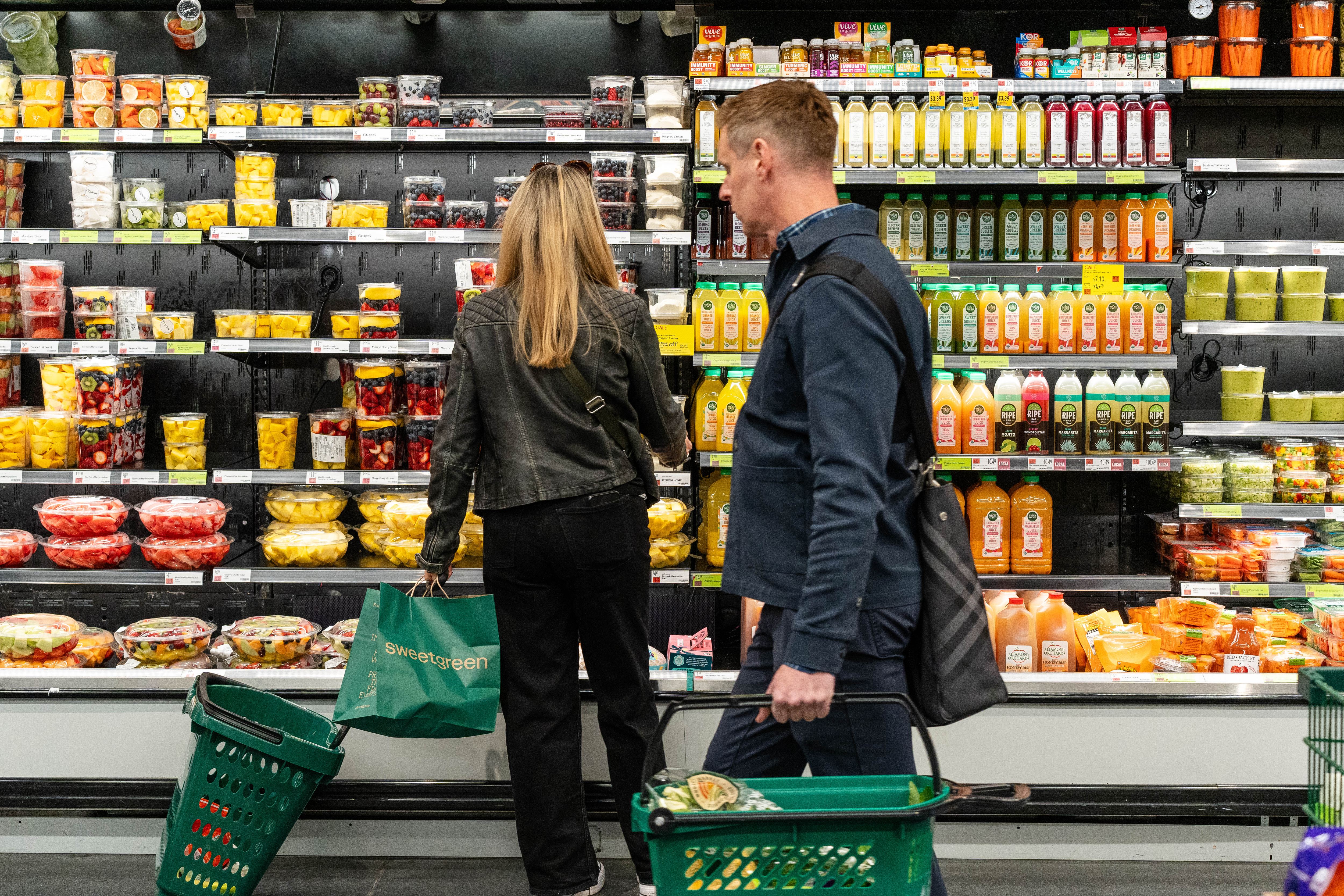

Nearly 42 million Americans will have less money in their food budget in November if the Supplemental Nutrition Assistance Program, known as SNAP, is allowed to run out of funds.
Focus on Nutrition, Not Taste or Crunch
Some very tasty foods seem inexpensive and are satisfying to eat, but they wind up costing more in the long run.“Chips, frozen appetizers, sweets, and sugary drinks are in this group,” according to Kathleen Moore, staff nutritionist at The Ohio State University Wexner Medical Center. “Rarely do they provide enough vitamins, minerals, protein, fat, and fiber to be of value to our body.”
That leads to overeating, she said, because those items don’t satisfy our hunger. Researchers have discovered that many of these foods were specifically modified to increase consumption.
Moore recommends skipping highly processed foods and reaching for economical sources of protein such as canned tuna, beans, and peanut butter, as well as canned or frozen vegetables, fresh fruits, and grains.

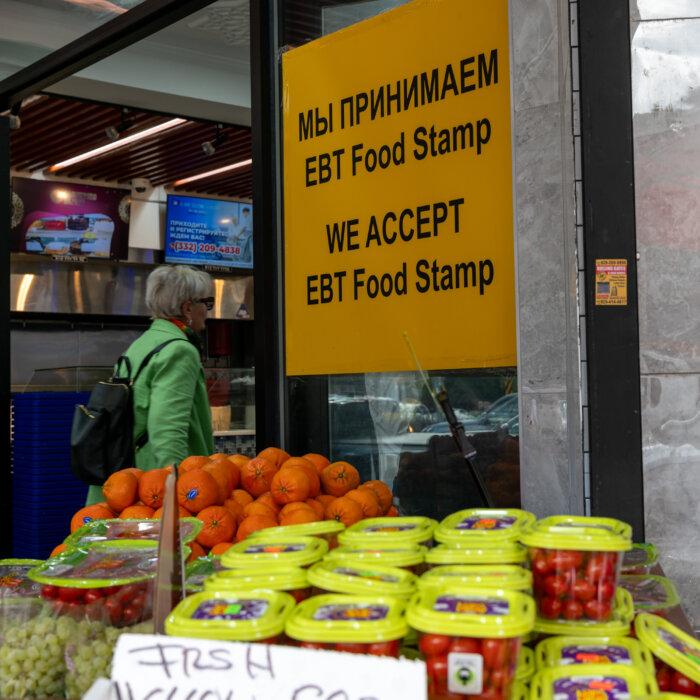
Make a Weekly Meal Plan
The worst time to think about meal planning is when you’re hungry, experts say. That often leads to impulse buying of ready-to-eat foods, which tend to be more expensive per meal.The average cost of a meal prepared at home is $4.21 compared to $16 for an inexpensive restaurant meal, according to registered dietitian Nicolette Maggiolo.
Moore added, “When you know a delicious, healthy meal is already prepped and just needs 20 minutes to reheat, you’re far less likely to grab fast food or impulse-buy snacks at the gas station.”
The best time to do this is before you go to the grocery store, according to Clay Cary, senior trends analyst at Coupon Follow, a consumer coupon sharing site.
Before you leave the house, write down what you’ll eat each day for breakfast, lunch, and dinner.
“Creating weekly meal plans based on store sales, electronic coupons, and seasonal fruits and vegetables can have a real effect,” Cary said.
Pack a Lunch
“If you are on a budget, take-out food is the worst, that includes drinks like coffees or sodas,” Ferrer said. “Bring home food for lunch at work or school.”The average cost of a cup of coffee at a U.S. coffee shop is $3.08, according to personal finance site GO Banking Rates. That compares to 26 cents for a cup brewed at home.
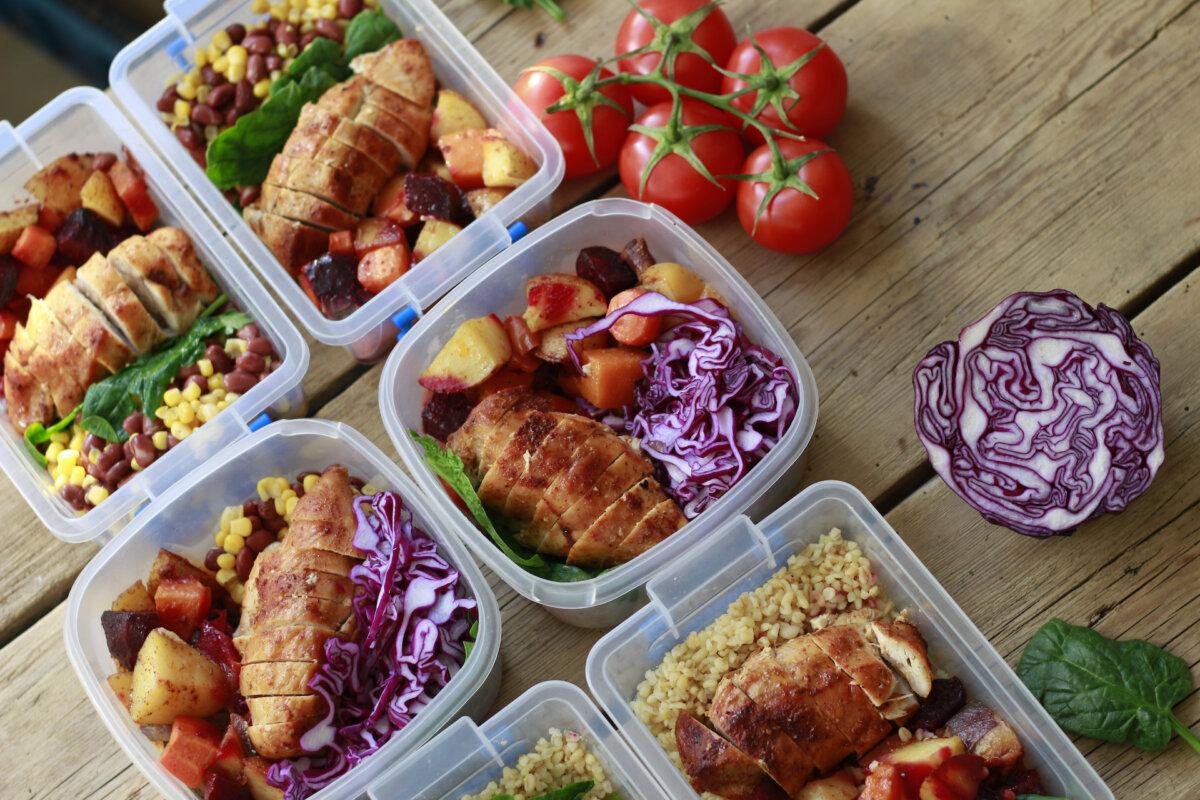
“Soups, stir fries, and casseroles are simple to prepare in bulk and freeze for later use, which cuts down on waste and the need for takeout,” Cary said.
Ferrer recommends soups because they’re easy to make in quantity. “Just throw in the older veggies and a few pieces of very cheap meat, even the chicken bones from yesterday’s dinner, and water, and let it simmer,” Ferrer said.
As an alternative source of protein, add beans. Adding rice or pasta will make it more filling.
Look for Sales, Coupons, Overstocks
Shopping for sales or hunting for coupons as part of your grocery-buying routine can produce real savings, according to Cary.“Shopping with apps that give cash back and coupons, price matching online, and keeping watch for specials can assist families with saving a bit more on every shopping trip,” Cary said.
Some stores specialize in offering overstocked and liquidated items from big-name retailers at a large discount, according to Bhasin.
Grocery Outlet and Save-A-Lot are well-known examples, but there are many others across the country, including in rural areas.
“Search for one that advertises itself as a discount, off-price, or surplus [outlet]. You may see that the items are close to the expiration date, but you are getting high-quality items at a discount,” Bhasin said.
Visit Food Pantries
More than 24 million people received groceries from community organizations in 2023, according to the Department of Agriculture.Those that are community-based will likely continue to operate and might offer additional services during the SNAP outage.
Many charitable food organizations are supplied directly from overstocked companies, which donate products that are nearing their expiration date, according to Bhasin. Some corporations are now seeking new organizations to supply with donations.
“That is continuing to happen,” Bhasin said. “That has nothing to do with SNAP.”
Many universities operate food pantries, and many are open to the public, according to Bhasin. “For a lot of them, you don’t need proof of SNAP assistance,” she said.
Bhasin recommends following food pantries on social media to see when groceries are available. “Many organizations are adding new pickup dates. Some are even looking into delivering to harder-to-get-to areas,” she said.