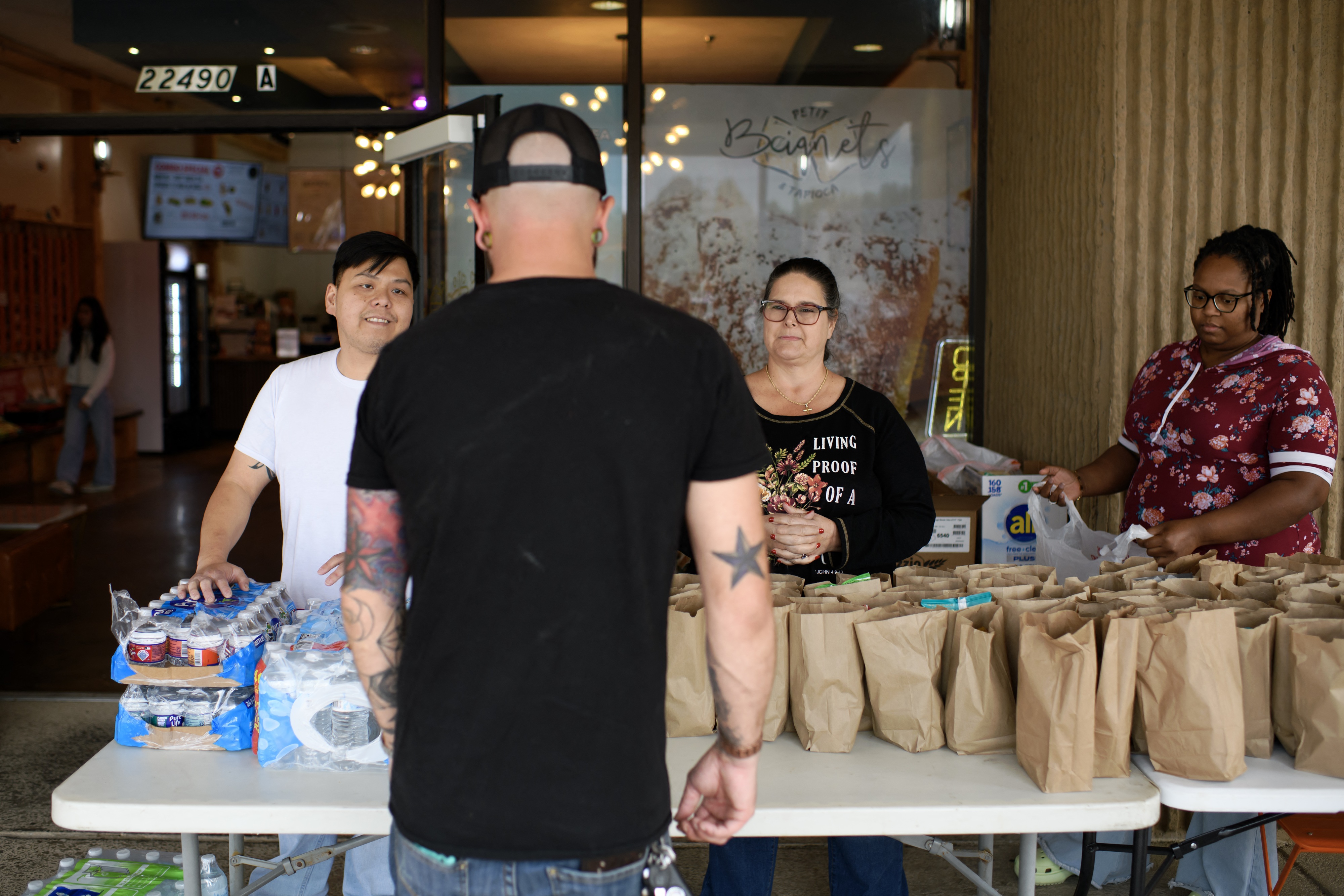

When the federal food stamp program is operating normally, recipients receive money for groceries on their electronic cards on the same day each month.
Benefits Reduced
The USDA took the first step on Nov. 4, sending a memorandum to states on how to reduce benefits for recipients.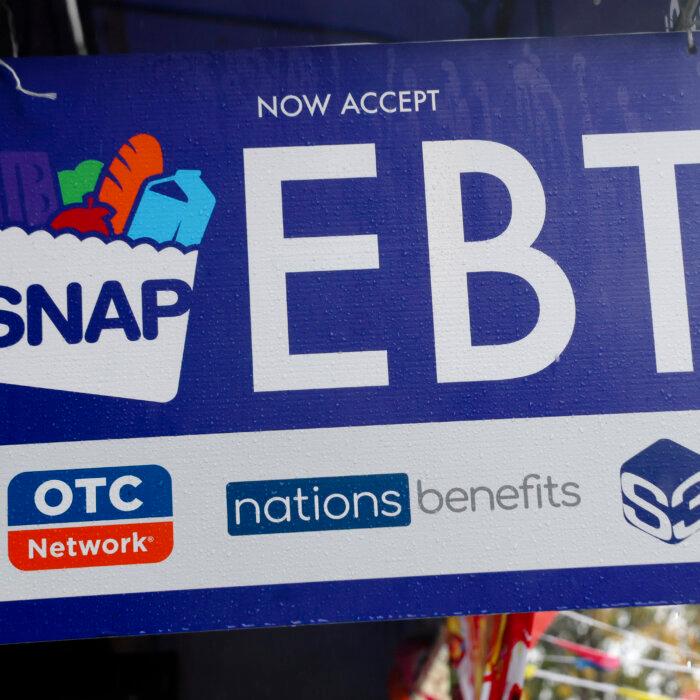

Because the changes are unusual and because some states use systems that are decades old, it is not clear how many will be able to make the changes quickly with minimal disruption and how many will experience a range of problems, according to Penn’s court filing.
“For at least some States, USDA’s understanding is that the system changes States must implement to provide the reduced benefit amounts will take anywhere from a few weeks to up to several months,” he said in the court filing.
The administration had been presented with a choice by a federal judge in Rhode Island: Use the contingency funds to partially fund November benefits or use the contingency funds and additional money to fully fund benefits for the month. Officials said they opted against using additional money because it is being saved for nutrition programs for children and pregnant women.
“The Trump administration decision to only issue partial SNAP benefits will delay the benefits going out,” Tracy Roof, who is chair of the University of Richmond’s Department of Political Science and is writing a book about the history of the food stamp program, told The Epoch Times in an email.
“Had the administration decided to issue full benefits, it could have been a quick turnaround. But now states will have to reprogram their delivery systems which could take days, weeks, or even months for some states. How quickly a state can issue benefits depends on how their systems are set up. ... Some can react more quickly than others.”
Some states, including California, have been telling SNAP recipients that they are not sure how long it will take to process and distribute the funds.
Others say recipients can expect benefits soon.
Will Full Benefits Be Mandated?
Judge John McConnell Jr. of the U.S. District Court for the District of Rhode Island on Nov. 1 said that the USDA, if it were to choose to issue full November benefits, must do so by Nov. 3. If officials choose to only make partial payments, they must do so by Nov. 6, he said.USDA officials told McConnell that they would draw only from the contingency fund. They said they did not want to use additional money because of concerns that there would not be enough left for child nutrition programs in the future.
They said the judge should require the USDA to pay for full November benefits, at a cost of $8.5 billion to $9 billion.
“Because it is clear that Defendants’ plan cannot meet the Court’s directives or adequately remedy Plaintiffs’ harm, the Court should enforce its November 1 order by temporarily enjoining and compelling Defendants to release the unlawfully withheld funding, in its entirety, for November SNAP benefits,” the plaintiffs, who include the New York Legal Assistance Group and the city of Albuquerque, New Mexico, said.
They also said the government’s decision to withhold full benefits is arbitrary and capricious and in violation of federal law and that McConnell could enter a new order finding as much.
“While the agency acknowledged ‘procedural difficulties’ in processing partial benefits, it failed to account for the human cost of that benign-sounding phrase, namely the immense harm to beneficiaries who will go without food assistance during potentially lengthy delays,” they said.
“Nor did it consider the impact on organizations and cities that rely on SNAP to provide emergency food assistance in their communities.”
McConnell set a hearing on the motion for Nov. 6 at 3:30 p.m.
“The recipients of these SNAP benefits need to understand it’s going to take some time to receive this money, because the Democrats have forced the administration into a very untenable position,” she said.
Votes on more than a dozen measures that would reopen the government have failed since the shutdown started on Oct. 1, with most Democrats voting no.
Separately, Republicans have blocked legislation that would require full funding of SNAP.
Administration lawyers told McConnell in a filing later on Nov. 4 that the memo and updated tables sent to states show that they are complying with the order. They said they would respond directly to the motion on Nov. 5.