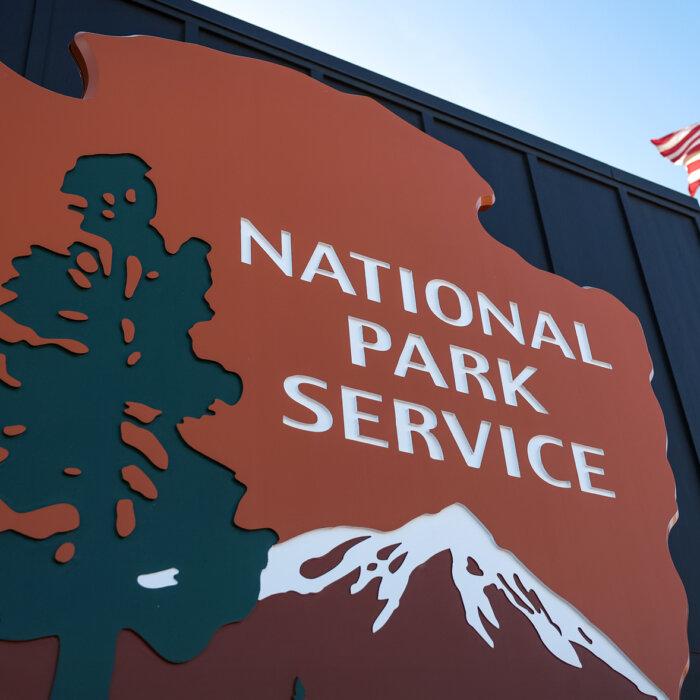
President Donald Trump’s nomination of hospitality executive Scott Socha to serve as director of the National Park Service has been withdrawn.
In a notice sent to the Senate on April 27, the White House listed Socha among nominations withdrawn from consideration, saying that his nomination for National Park Service director, transmitted to the Senate on Feb. 11, had been pulled back.
Socha serves as the president of Delaware North Australia and the parks and resorts division of Delaware North, a hospitality and concessions company, with his role based at the company’s global headquarters in Buffalo, New York.
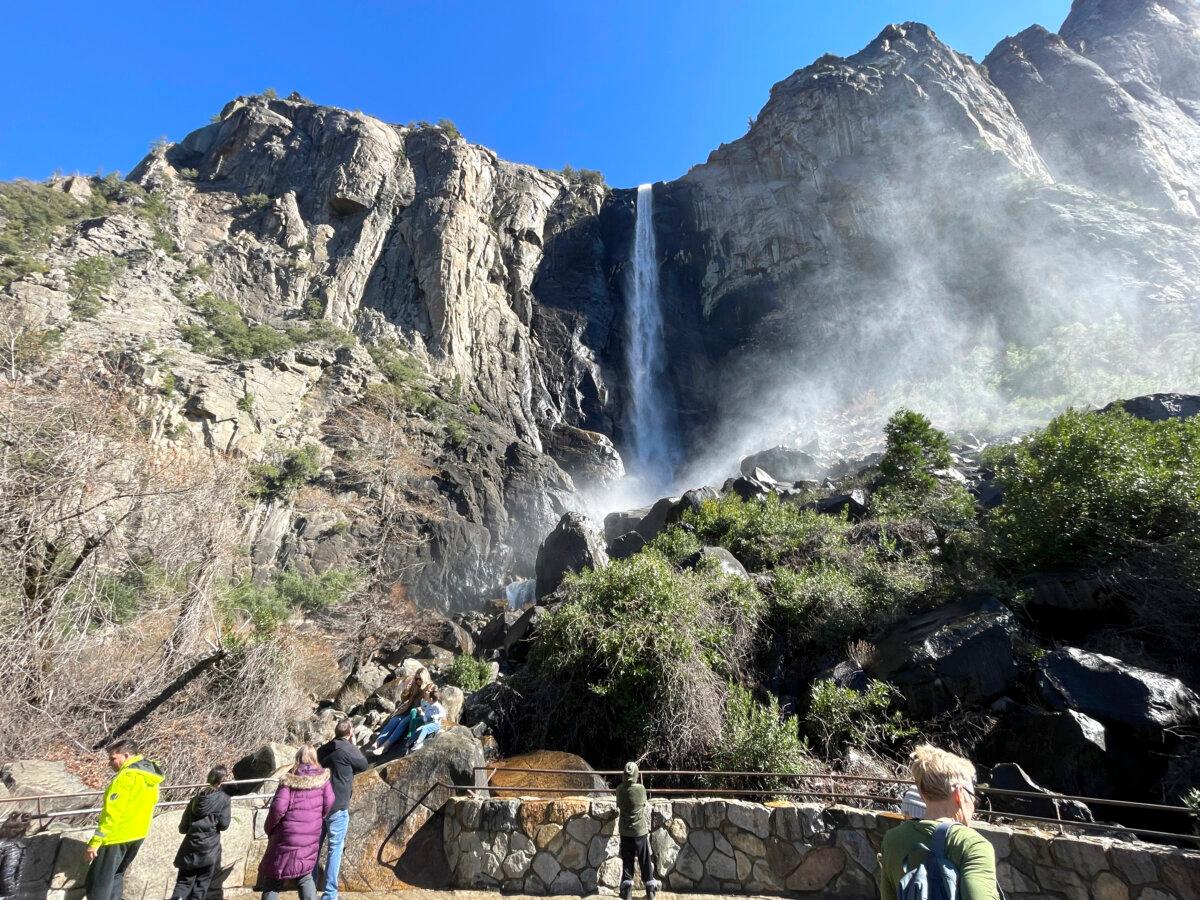
Delaware North sued the National Park Service in 2015 in a trademark dispute related to Yosemite National Park and settled for $12 million in 2019 during Trump’s first term.
The park service is currently overseen by an acting director, agency comptroller Jessica Bowron. It did not have a Senate-confirmed director during Trump’s first term, when it was led by a series of acting directors.
The Epoch Times reached out to the White House, the Interior Department, and the National Park Service for comment but did not receive a response by publication time.
Socha’s nomination drew opposition soon after it was announced in February.
Aaron Weiss, deputy director of the Center for Western Priorities, told Arizona public radio station KJZZ during a March 5 interview that Socha was “completely unqualified” to lead the agency, criticizing his lack of direct government or conservation experience.
On Feb. 12, Jayson O’Neill, spokesperson for Save Our Parks, said in a statement that Socha has “zero experience in public service or conservation.”
Broader Policy Debate
The move comes as the administration has sought changes to federal parks, museums, and memorials through executive actions and administrative reviews.On March 27, 2025, Trump signed an executive order targeting what the administration called a “corrosive ideology.” It directed the secretary of the interior to determine whether monuments, memorials, and markers have been removed or changed since 2020 to perpetuate “a false reconstruction of American history, inappropriately minimize the value of certain historical events or figures, or include any other improper partisan ideology” and take appropriate action.
Following the order, the Interior Department said it was reviewing interpretive signage, the plaques and panels that explain sites and events, across all national parks.
One dispute over historical interpretation reached federal court earlier this year after National Park Service staff removed a slavery exhibit in January from a Philadelphia historic site associated with George Washington. A federal judge ordered the exhibit reinstated, and the agency complied.
In testimony before the House Appropriations subcommittee on April 20, Interior Secretary Doug Burgum said the administration remained committed to ensuring federal lands remain “accessible, welcoming, and responsibly managed.”
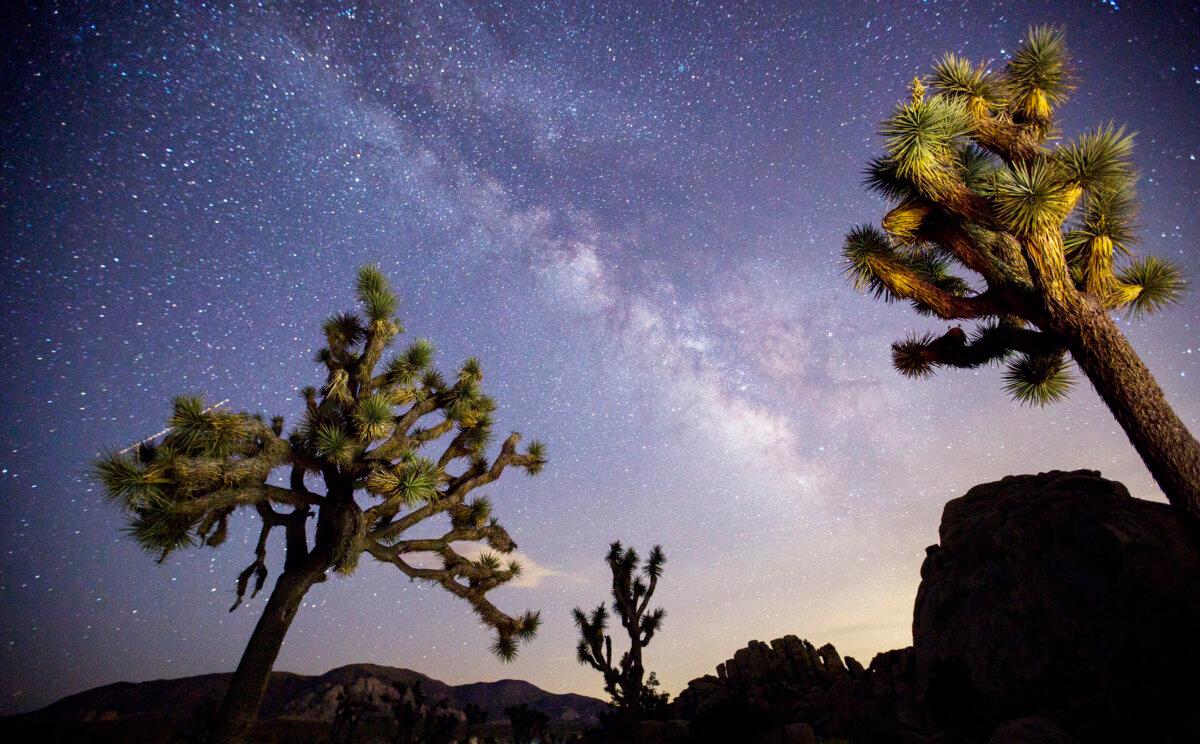
He cited more than 565 million visits to Interior-managed lands in 2025 and pointed to ongoing infrastructure projects, including improvements at Joshua Tree National Park and repairs along the Blue Ridge Parkway.
Budget Proposal
The administration has defended the budget proposal as part of a broader restructuring effort, while opponents have argued it could weaken visitor services, maintenance, and preservation work.According to Interior Department budget documents, the proposed budget would reduce National Park Service staffing to 9,200 employees, nearly 30 percent below 2025 levels.
The park service’s operating budget would be cut by more than $1 billion, to $2.2 billion, for the 2027 fiscal year that starts in October.
John Garder, senior director of budget and appropriations for the National Parks Conservation Association, said in an April 3 statement that a cut “this massive would be catastrophic.”