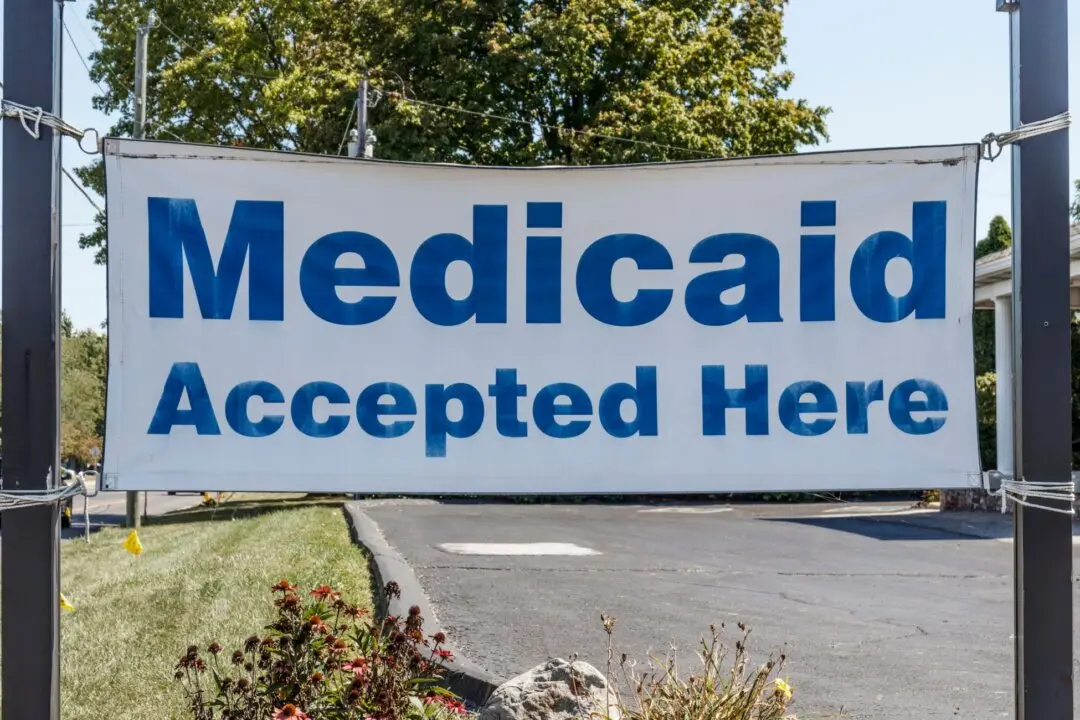
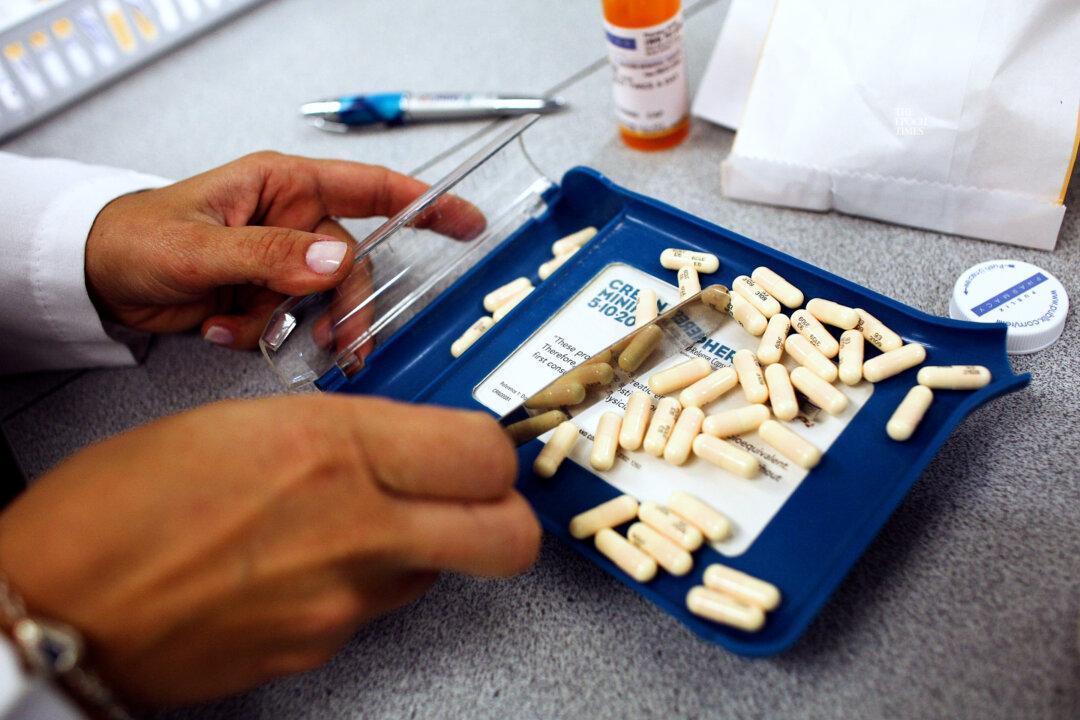
Freedom of health information is the focus of a new health initiative announced by the White House on July 30.
Making Health Technology Great Again centers on giving patients full access to their own health records and making the data useful for both doctors and patients in managing disease.
“For decades, America’s healthcare networks have been overdue for a high-tech upgrade, and that’s what we’re doing,” President Donald Trump said while introducing the initiative.
“The existing systems are often slow, costly, and incompatible with one another, but with today’s announcement, we take a major step to bring healthcare into the digital age, something that is absolutely vital,” Trump said.
The effort has two aims. First, to create a secure network for sharing health information. Second, to create digital tools that make it easier for people to access, share, and make decisions based on their health information.
Major technology firms, including Amazon, Anthropic, Apple, Google, and OpenAI have signed on to the program.


Trump announced the initiative, flanked by Secretary of Health and Human Services Robert F. Kennedy Jr. and Dr. Mehmet Oz, administrator of the Centers for Medicare and Medicaid Services (CMS).
To illustrate the vision for the project, Gleason shared the story of her daughter, Morgan, who suffers from a rare disease and is treated by a dozen doctors who have prescribed more than 20 medications.
Struggling to manage her medical treatment, Morgan uploaded her health data to an AI assistant to find out what it might say.
Kennedy said, “We’re tearing down digital walls, returning power to patients, and rebuilding a health system that serves the people. This is how we begin to Make America Healthy Again.”
Oz said, “We have the tools and information available now to empower patients to improve their outcomes and their healthcare experience.”
The heart of the initiative is a CMS Interoperability Framework, which will facilitate information sharing between patients and providers. Twenty networks have agreed to meet CMS requirements to participate in the network.
Another 30 private companies have agreed to create tools consumers can use to securely access their health records to make health-related decisions.
That will include diabetes and obesity management, conversational AI assistance in checking symptoms, scheduling appointments, and digital provider check-in.
Other planned tools will help Medicare beneficiaries select plans that include their preferred providers and hospitals, decrease the lag between when claims are filed with CMS and when they are available to patients, and provide digital identity tools to enable patients to access their data without separate user names and passwords for each health care site.
“Within a year, on your device ... you'll get insights based on your records,” Oz said.
The news comes amid heightened concern about the privacy and security of health data.
“There are more than 730 cyber breaches last year affecting over 270 million Americans,” Sen. Bill Cassidy (R-La.) a physician who is chair of the Senate Health, Education, Labor and Pensions Committee, said at a July 9 hearing on the subject.
Cassidy noted that the data from popular health monitoring apps is not covered by HIPAA, the federal law governing health information privacy.
Greg Garcia, executive director of the Health Sector Coordinating Council Cybersecurity Working Group, told senators that health data security faces a number of threats and asked for government cooperation in addressing them.
“If together we can make progress toward the strategic plan, we can upgrade our healthcare cybersecurity diagnosis from critical condition to stable condition by 2029,” Garcia said.
Addressing privacy concerns regarding the Making Health Technology Great Again initiative, Paula M. Stannard, director of the Office of Civil Rights, said, “The Office of Civil Rights supports actions that improve the timeliness in providing individuals with access to their electronic protected health information, without sacrificing health information privacy and security.”
In a July 30 statement, Stannard added that if an individual health record is provided to the wrong person, her office ensures that both the affected patient and the Department of Health and Human Services receive a prompt notification of the error.
The interoperability network is expected to be online by the first quarter of 2026.