Treasury Secretary Scott Bessent said he will give President Donald Trump a shortlist of Federal Reserve chair candidates after Labor Day.
While Bessent did not provide names, he noted that the president already knows some of them. After the interviews, he will present Trump “with three or four candidates,” he said.
Ultimately, the next head of the Federal Reserve will be an expert on monetary and regulatory policy, he said, “and knows how to run a sprawling institution.”
The senior administration official also touted Trump’s knowledge of monetary policy.
“He is very open-minded, very sophisticated on monetary policy, which I think drives some people at the Fed crazy,” he stated. “They can’t just dictate, ‘OK, Sir, here’s the way it is.’”
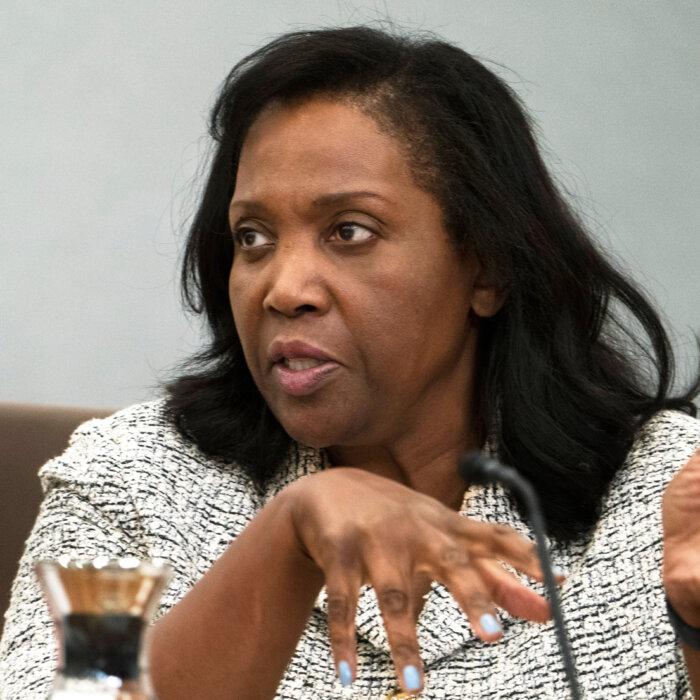
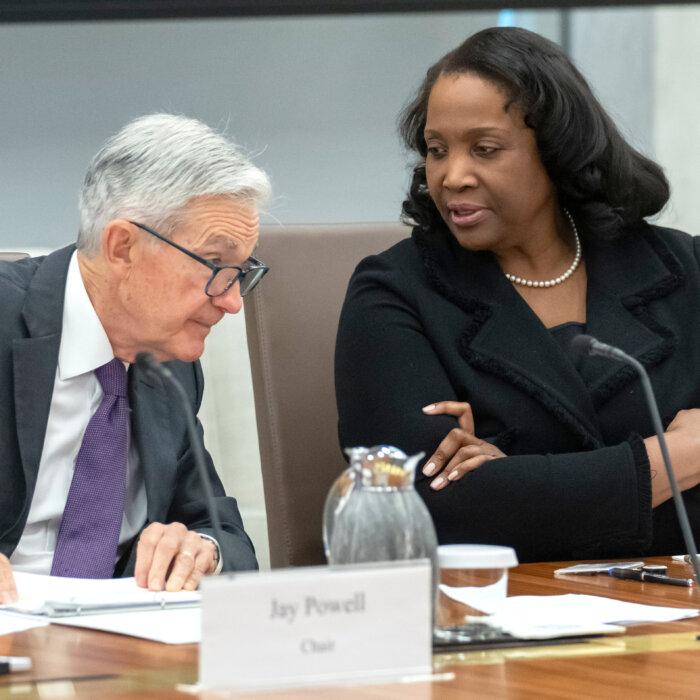
According to Bessent, Trump possesses “great reverence” for the institution and believes the central bank has “lost its way.”
Over the past several months, various names have been floated as potential replacements for Powell when his term expires in May 2026.
Waller was one of two dissenting votes at the July Federal Open Market Committee policy meeting—the other being Fed Vice Chair for Supervision Michelle Bowman. Waller has advocated for cutting interest rates to prevent a further deterioration of the U.S. labor market, citing the lag effect of monetary policy.
Hassett and Warsh have also voiced their support for reducing the benchmark federal funds rate—a key rate that influences borrowing costs for businesses, consumers, and governments—under current economic conditions.
In response to Powell’s final keynote address at Jackson Hole last week, Hassett stated that the central bank was “late to the game.”
Powell stated in his prepared remarks that current conditions “may warrant” a change in monetary policy, which investors took as a hint that a rate cut is coming.
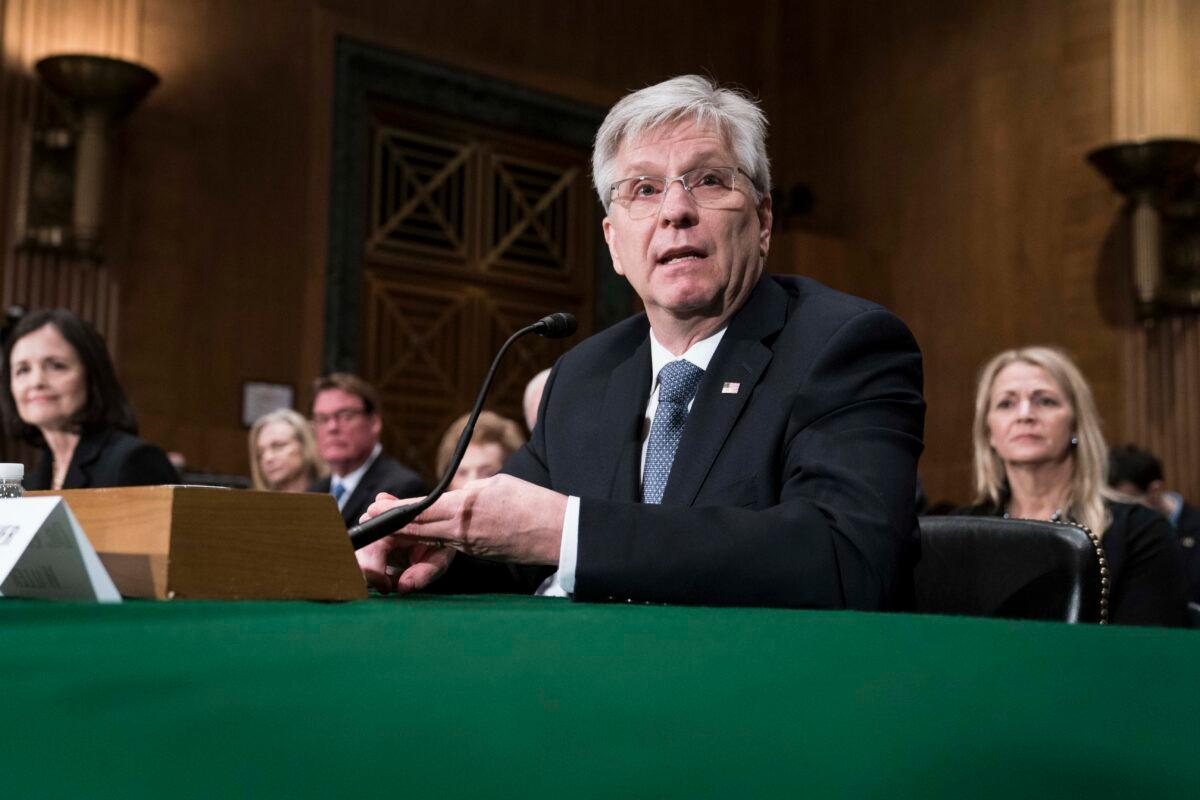
“Their hesitancy to cut rates, I think, is actually quite a mark against them,” Warsh said. “The specter of the miss they made on inflation—it has stuck with them. So one of the reasons why the president, I think, is right to be pushing the Fed publicly is we need regime change in the conduct of policy.”
Fed Under the Spotlight
The U.S. central bank has regained the spotlight in recent days after Trump terminated Fed Governor Lisa Cook over allegations of mortgage fraud.“The American people must have the full confidence in the honesty of the members entrusted with setting policy and overseeing the Federal Reserve,” Trump wrote in an Aug. 25 letter to Cook posted on Truth Social. “In light of your deceitful and potentially criminal conduct in a financial matter, they cannot and I do not have such confidence in your integrity.”
Cook’s attorney, Abbe Lowell, said in a statement to The Epoch Times that the president “has no authority to remove” her and will pursue legal options.
“His attempt to fire her, based solely on a referral letter, lacks any factual or legal basis. We will be filing a lawsuit challenging this illegal action,” Lowell said.
Hassett, however, told reporters that Trump “absolutely has the authority” to terminate a Fed governor “for cause.” The White House economic adviser also recommended that she take a leave of absence.
“The fact that she is not doing that suggests that she is partisan and is trying to make a partisan stance, which is contrary to the independence of the Fed.”