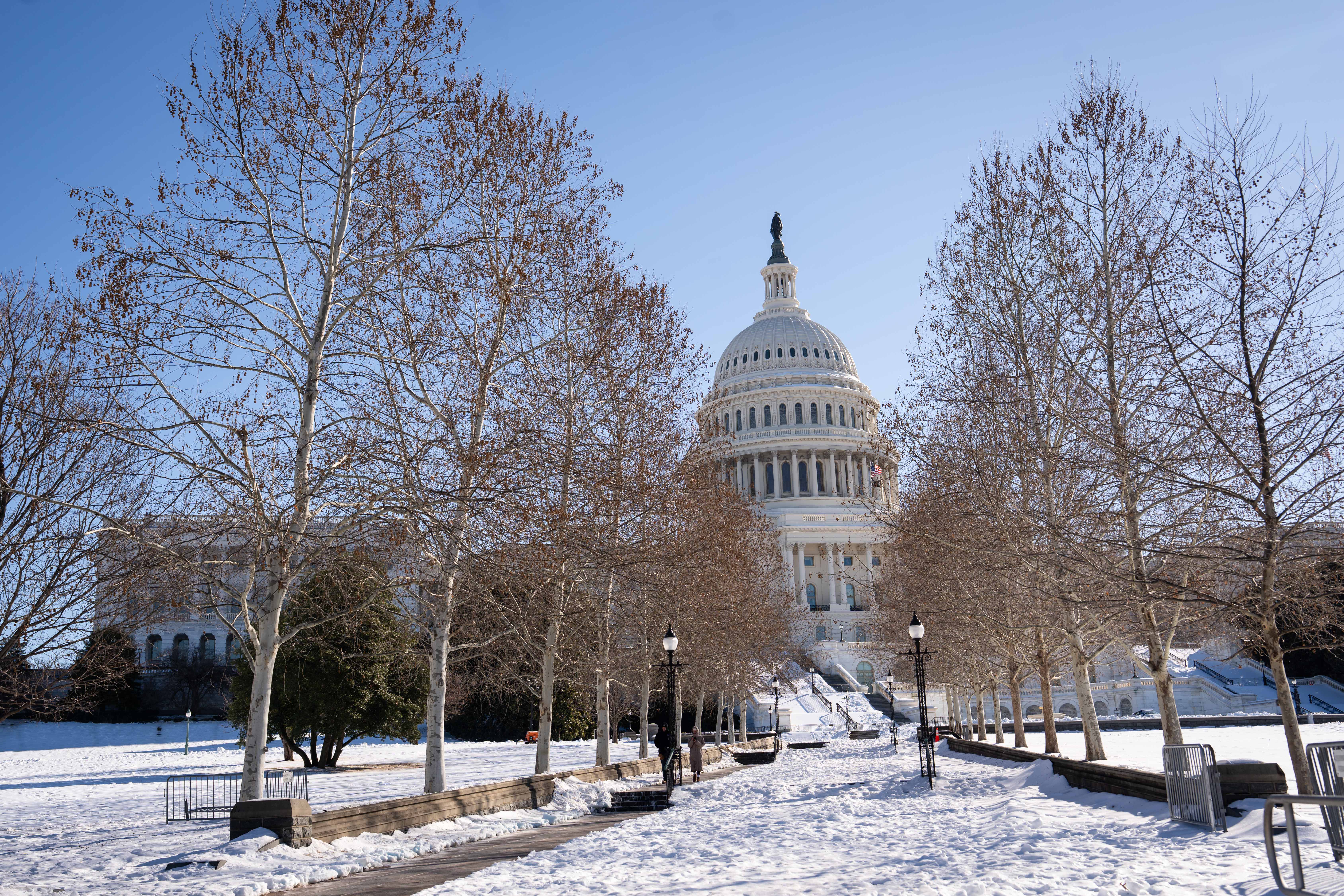

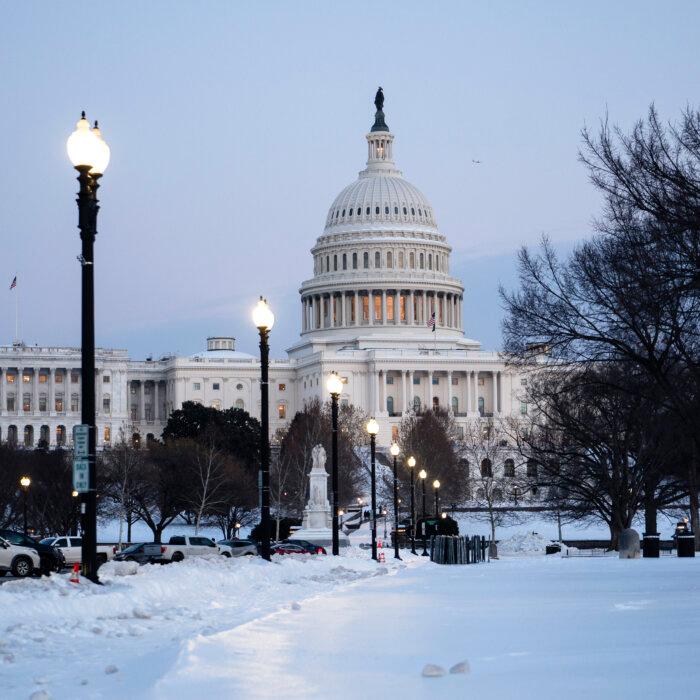
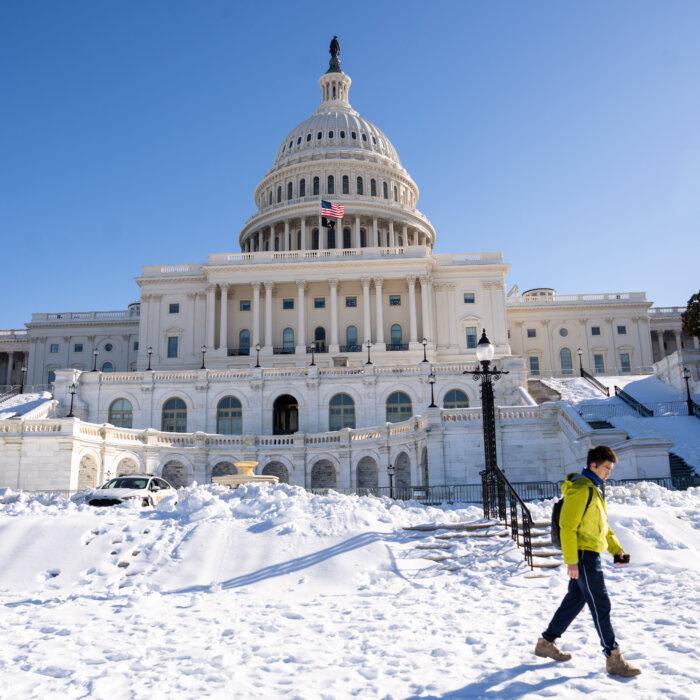
The Senate had passed a funding package a day earlier, but the House of Representatives failed to pass the bill on time to prevent the shutdown. The funding bill is now pending in the House, which is expected to take it up this week.
Whether Speaker Mike Johnson (R-La.) can secure enough votes remains uncertain, as opposition has emerged from both Republicans and Democrats in the narrowly divided chamber.
Why There Is a Partial Shutdown
On Jan. 22, the House passed two separate funding bills: one to fund five federal agencies and another to fund the Department of Homeland Security (DHS).DHS funding has become a flashpoint amid controversy surrounding Immigration and Customs Enforcement (ICE) operations, particularly in Minneapolis, where federal agents fatally shot two U.S. citizens—Renee Good and Alex Pretti—during protests against ICE activity. DHS has faced bipartisan scrutiny while the administration has defended the agents involved.
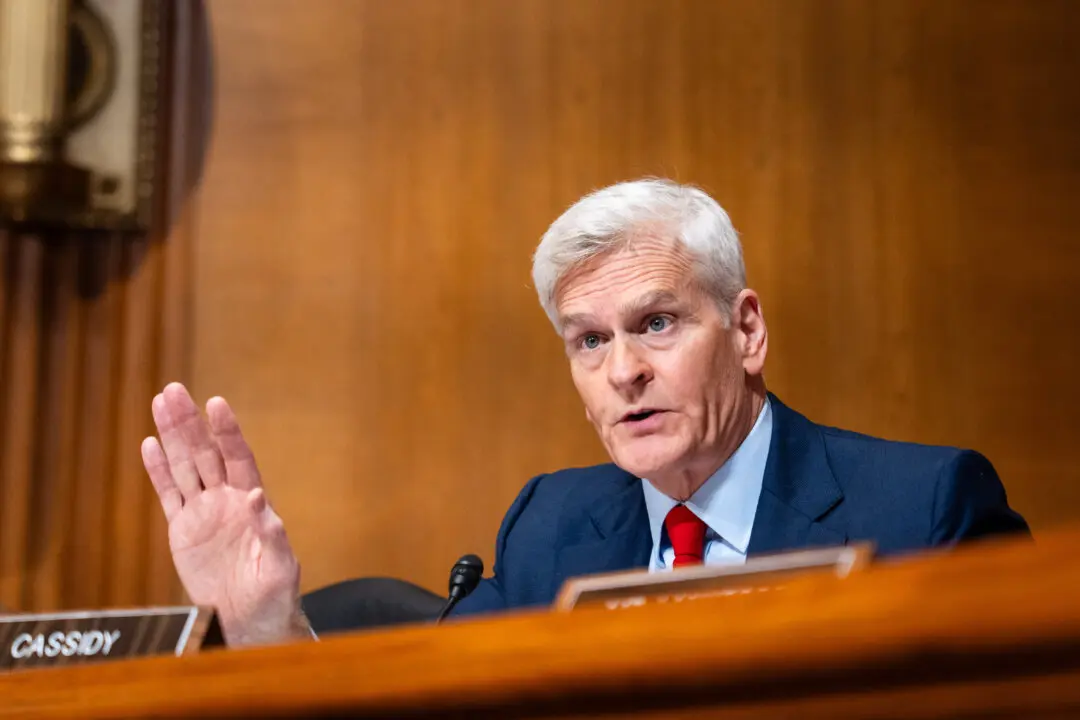
Thune declined to split the bills, prompting Democrats to vote against proceeding with the measure, thereby blocking it from passing. Despite those objections, the Senate passed a combined funding package in a 71–29 vote. The measure included a two-week extension of appropriations for DHS.
By not taking up the bills as they were passed by the House, senators forced the House to consider a different version of the funding package. However, the House was not in session at the time and was unable to act before funding expired.
Which Agencies Shut Down
Because of the lapse in appropriations, DHS and multiple other federal departments have shut down, including the departments of State, Defense, Treasury, Education, Health and Human Services, Housing and Urban Development, Labor, and Transportation.By contrast, the departments of the Interior, Veterans Affairs, and Agriculture were funded under a bipartisan agreement that ended the 43-day government shutdown in November 2025—the longest in U.S. history. That deal included funding for the remaining agencies through Jan. 30.
If the House passes the funding package this week, the shutdown is expected to have minimal immediate impact on most Americans.
Will the House Pass the Funding Package?
Johnson has expressed confidence that the House will pass the Senate-approved measure.“We’ll get all this done by [Feb. 3]; I’m convinced,” Johnson said on Fox News on Feb. 1. “We do have to do it by way of a rule process, which will probably be on our own. I don’t understand why anybody would have a problem with this.”
The House Rules Committee is scheduled to take up the bill on Feb. 2.
Passing the bill through the rule process would allow Republicans to approve it with a simple majority. Without a rule, the legislation would require a two-thirds majority—an unlikely outcome given Democratic opposition.
Some Democrats have said they would vote against the package because it includes DHS funding.
“My Progressive Caucus colleagues and I have been clear: not another cent to ICE until we stop the chaos and the lawlessness,” Rep. Greg Casar (D-Texas) wrote on X. “If this comes to the House, I’m voting no.”
With only a one-vote majority, Johnson needs almost every member of his party to approve the package. At least one Republican has already announced opposition.
“I am a hard ‘no’ and will never vote for this,” Rep. Anna Paulina Luna (R-Fla.) wrote on X. “I am not voting for any of these appropriations unless the [Safeguard American Voter Eligibility] Act is included.”
Luna was referring to a bill that would require voters to present identification in federal elections.
Senate Minority Leader Chuck Schumer (D-N.Y.) wrote on X that the Safeguard American Voter Eligibility Act would be “dead on arrival in the Senate.”
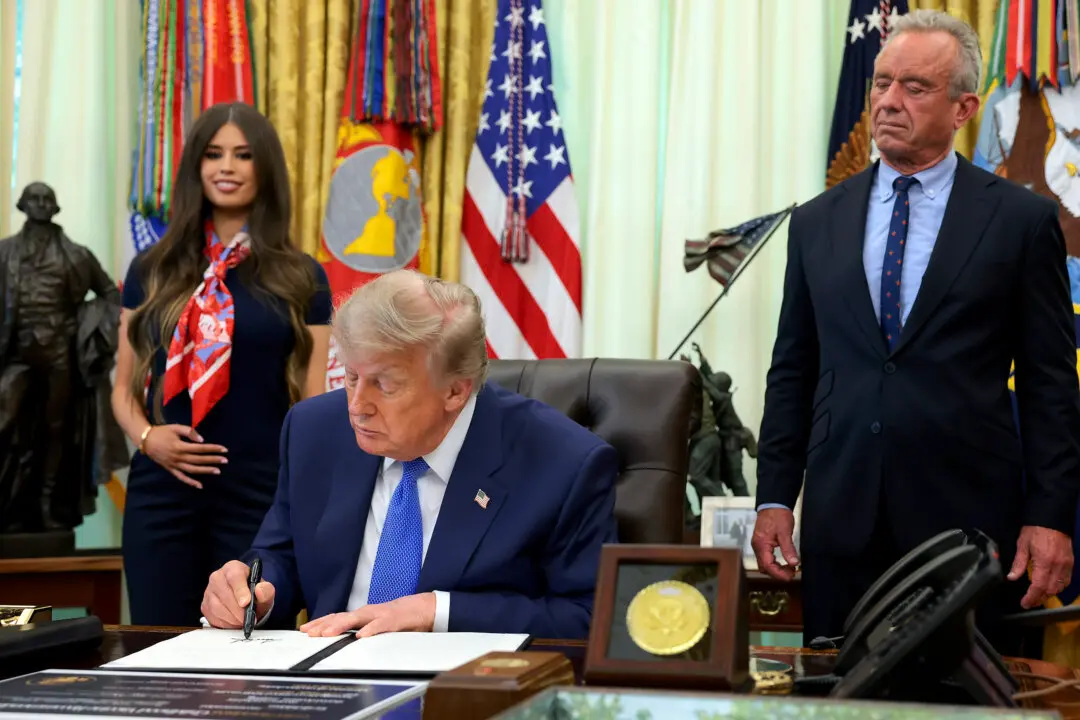
In a post on Truth Social, President Donald Trump called on Congress to pass the funding bill “IMMEDIATELY” and “WITHOUT DELAY” and with “NO CHANGES.”