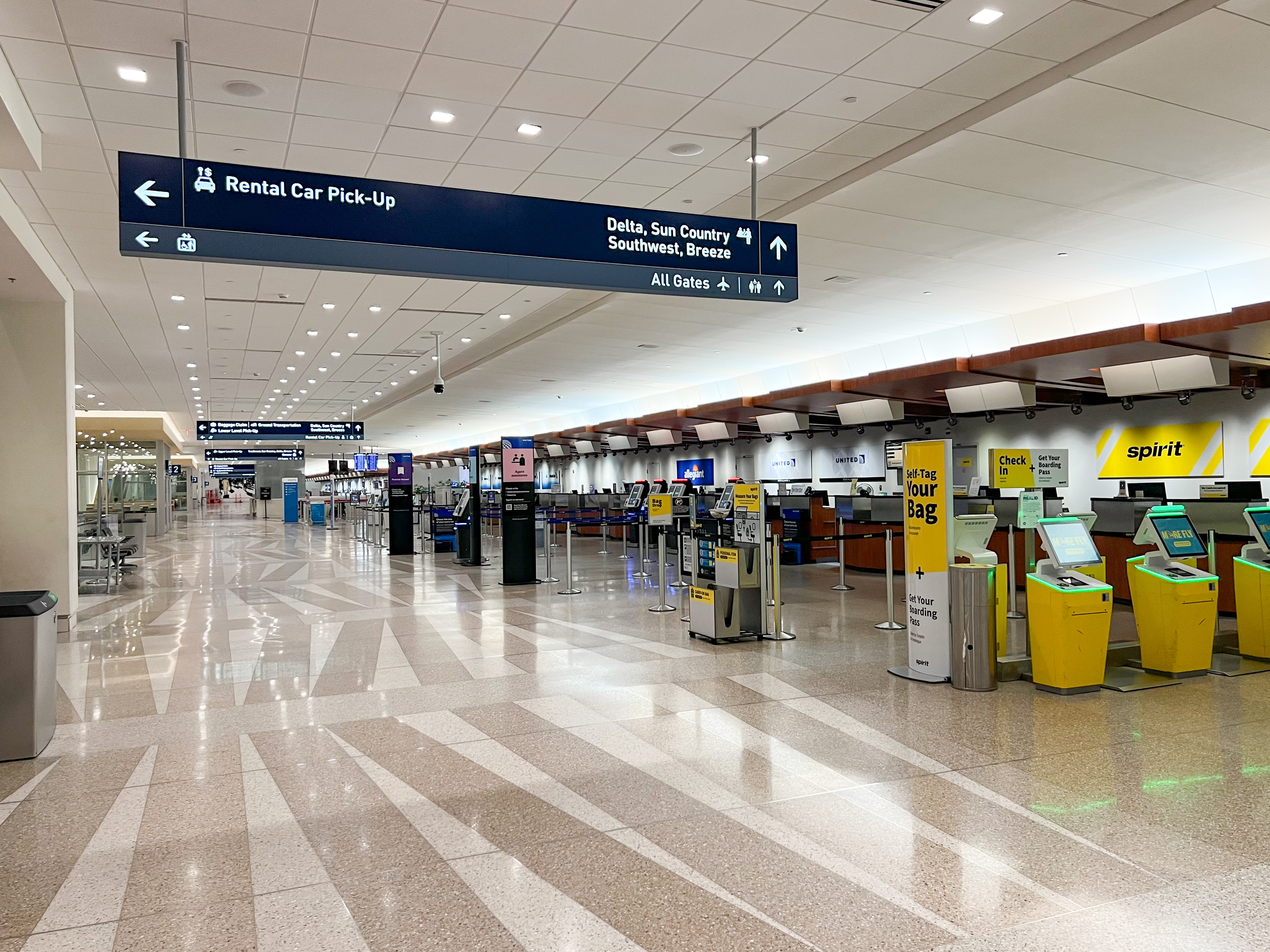

As the ongoing government shutdown nears its 38th day and overstressed air traffic controllers continue to work long hours with no pay, the Federal Aviation Administration (FAA) is reducing air travel at 40 major airports on Friday to ensure safety.
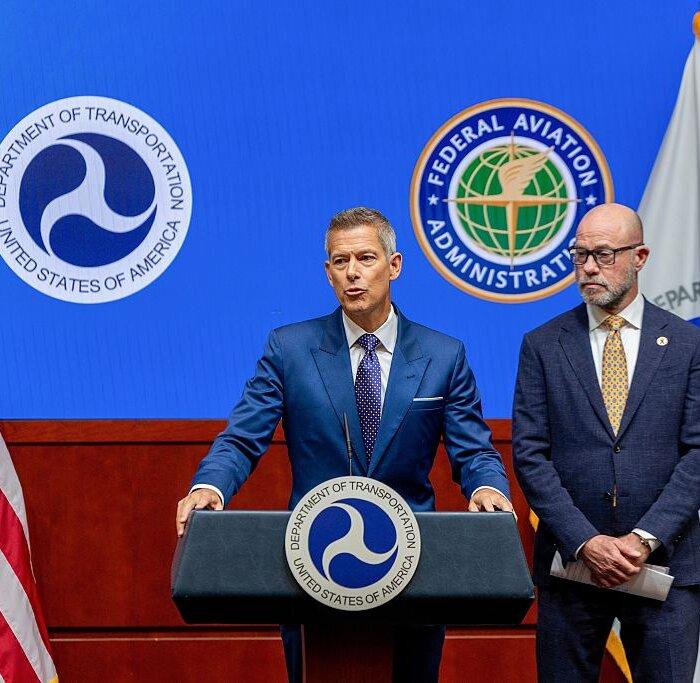
Bedford said the FAA was taking this unprecedented step to ensure safety as the government shutdown continues, and overworked air traffic controllers begin to show signs of fatigue.
“Be aware, plan for alternatives, and anticipate those delays, especially if you are planning to operate into one of those top 40 airports, you can anticipate a reduction in the normal arrival rate into that airport,” National Business Aviation Association Vice President Heidi Williams said in a webinar shortly after the FAA released the order. “The name of the game is planning ahead, being aware, and planning for alternatives.”
Look Up Delays Before Going to the Airport
During the shutdown, the FAA has reminded travelers to routinely check its webpage that monitors airports and provides status updates on the National Airspace System (NAS). The page shows active advisories, ground delays, ground stops, and airport closures. The FAA also has an Aviation Weather Center page that has a live map showing active weather advisories.What to Do If Your Flight Was Canceled
Since airlines will rebook you on a later flight at no additional charge, it’s important to reach out right away. You can call the airline’s support number or go online to connect with its reservations staff, or you can message them on X, where they will often quickly respond.If you’re already at the airport, get in line to speak with a customer service representative from your airline so they can help you with rebooking.
While it’s not yet peak travel time, and it may be easier to find seats on another flight, the busy holiday season is right around the corner and may make it more difficult to find different flights if you’re facing a sudden cancellation.
What If My Airport Is on the FAA List?
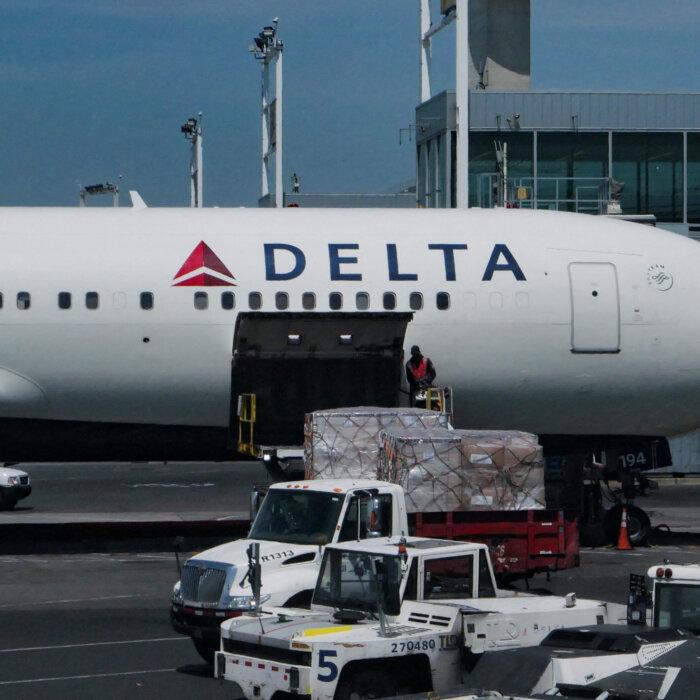
Airlines started to notify passengers on Thursday about potential cancellations impacted by the FAA’s 10 percent reduction, which takes effect the following day.United Airlines said it was going to prioritize cutting in smaller regional routes that travel between busy hubs. United, Delta Air Lines, and American Airlines all said they will offer refunds to any passengers who decide not to fly for any reason, even if they purchased a non-refundable ticket.
You’re also entitled to a refund if the airline significantly delays or changes your flight and you no longer wish to travel. A “significant delay” for domestic flights is three hours, and six hours for international trips. If the airline changes your origin or destination airport, adds connections to your itinerary that weren’t there when you bought your ticket, or downgrades you to a lower class of service, you are entitled to a refund.
In addition to your ticket value, you’re also entitled to refunds for any bag fees, seat upgrades, or extras you paid for but did not get to use.
Airlines legally must also notify you about flight cancellations and significant changes, or delays, and your right to receive a refund.
However, airlines are not required to offer travelers additional cash compensation or to cover room lodging or meals if they are stranded, if it’s the airline’s fault that a flight delay or cancellation was to blame. The Biden administration had proposed a rule to force airlines to pay passengers as much as hundreds of dollars in these kinds of circumstances, but the Trump administration withdrew it in September.