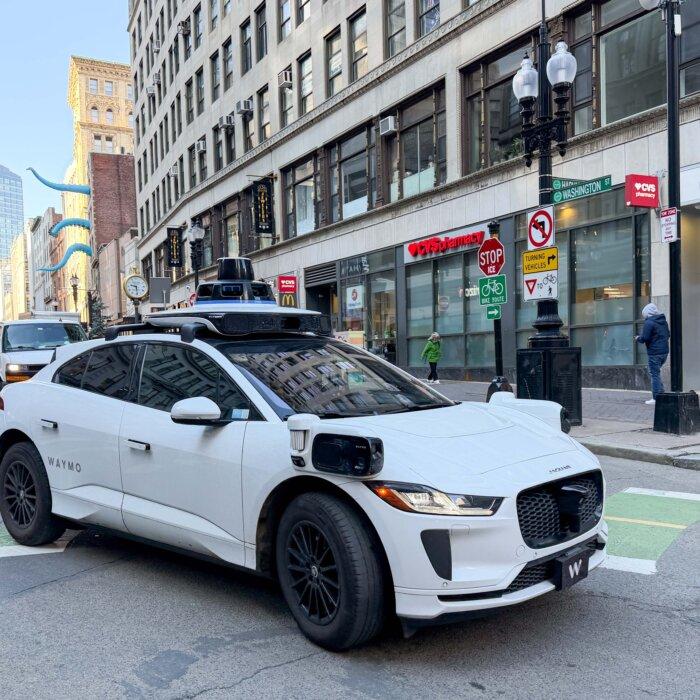
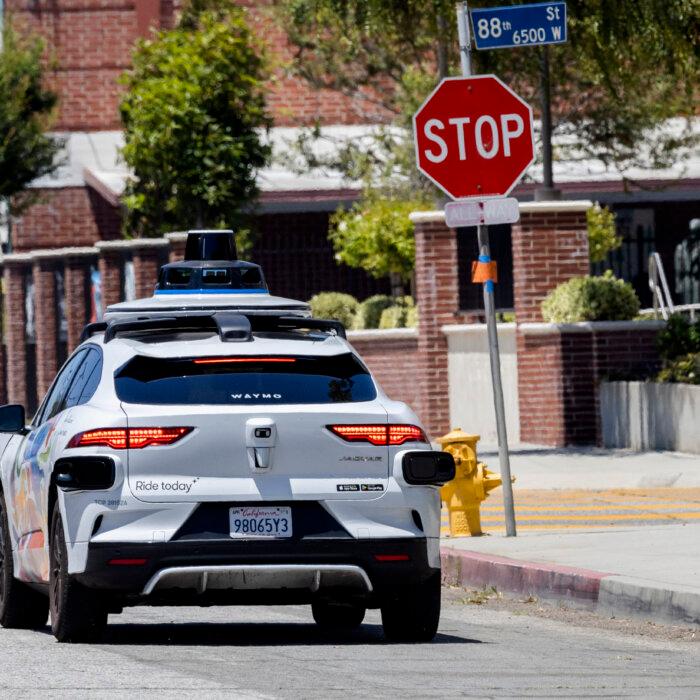
Waymo has recalled its entire fleet of vehicles after some of its driverless cars were caught speeding into freeway construction zones.
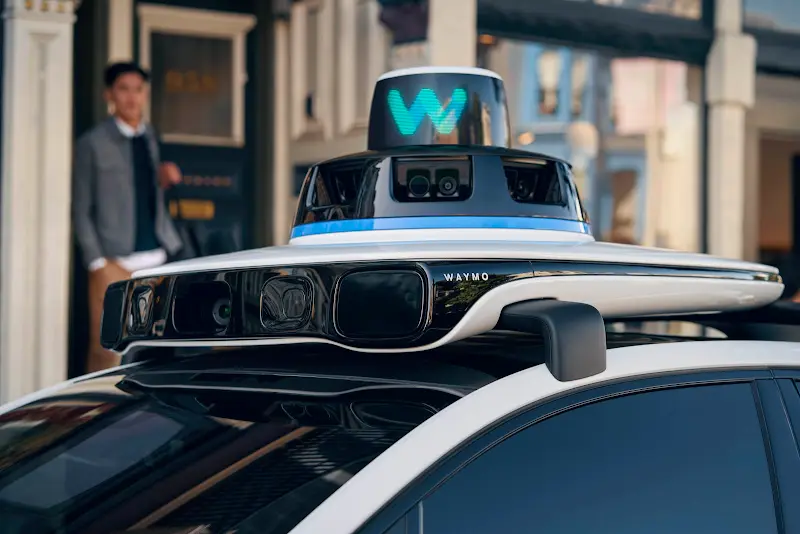
The voluntary recall on June 13 of the California-based tech company’s 3,871 vehicles is to fix its 5th-generation Automated Driving System (ADS) software so that it will recognize and avoid construction zones.
“Waymo’s mission is to be the world’s most trusted driver, and the data shows that we’re making roads safer in the communities in which we operate,” a Waymo spokesperson told The Epoch Times.
“Under certain circumstances the [autonomous vehicles] may enter and drive at speed in freeway construction zones due to inappropriately prioritizing the avoidance of other freeway hazards and/or failing to recognize the construction zone,” NHTSA stated in the report.
Waymo investigated one such incident on April 11 and five on April 19 in which Waymo cars autonomously drove past ramp closure signs into freeway construction zones in Phoenix, Arizona, according to the report.
The company’s field safety committee implemented driving restrictions on April 20 until more improvements could be made, according to the report.
On May 18, seven Waymo vehicles in the San Francisco Bay Area entered freeway lanes in construction zones by driving between cones designating the lane’s closure. In this case, the software did not prioritize avoiding the other freeway hazards or failed to recognize the construction zone.
The safety committee put restrictions in place after the May incident, Waymo reported.
The recall is a notice of the company’s intent to improve its software and address the problems.
Waymo voluntarily restricted freeway operations in May while making improvements to the software to avoid other freeway hazards.
This is Waymo’s second full-fleet recall this year.
New Ojai Rides
On May 28, Waymo rolled out its newest vehicle—the Ojai—featuring its 6th-generation technology serving riders in San Francisco, Los Angeles, and Phoenix.The boxy, baby blue robotaxi is a fully electric and designed to be fully autonomous. The vehicle is designed for full accessibility with braille and screen readers.
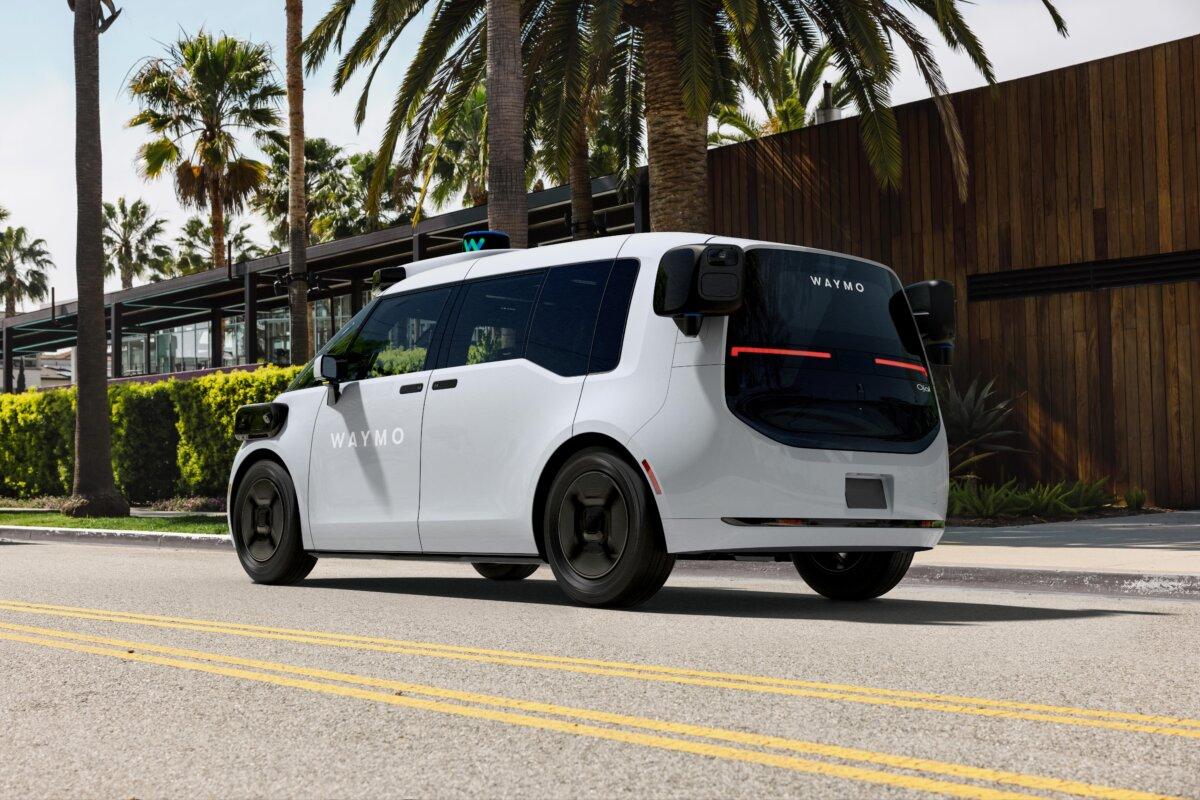
The doors open like an elevator and the cabin is meant to feel like a “living room on wheels” with large LED screens and customizable temperatures and music, Waymo said.
Waymo plans to expand Ojai’s service area to include Denver, Las Vegas, and San Diego before opening it to more cities later this year, according to the company.