The decision is a blow to Newsom’s legislation aimed at penalizing the oil industry for allegedly driving up the state’s gas prices in 2022.
California Energy Commission Vice Chair Siva Gunda said the state must shield motorists from price spikes at the pump even as it tries to transition to clean-energy fuel sources for transportation.
The commission says the pause on its penalty program was needed to further study the industry.
“We believe this additional time will increase industry confidence enough to secure investments in refinery maintenance and is therefore a prudent way to ensure employee safety and maintain a safe, reliable, affordable supply of fuel during this critical point in the transition to a carbon-free transportation system,” a spokesperson told The Epoch Times in an email Sept. 2.

Fuel demand in the state has slowly dwindled since 2019 as more Californians switch to electric vehicles, but the decrease in demand is not fast enough to keep up with even sharper drops in the state’s fuel supply as refineries continue to leave.
The state would need to increase overseas crude imports, possibly creating serious delays in fuel supply for consumers, which is what prompted staff to propose the regulatory pause, according to Drew Bohan, the energy commission’s executive director.
The agency also hasn’t been able to prove Newsom’s claim that the oil industry was gouging.
“The data at this point is just not sufficient to indicate that there’s ongoing market manipulation, or a structural failure, that would justify immediate regulatory intervention,” Bohan said.
The decision sparked criticism from Consumer Watchdog, a California-based nonprofit that supported Newsom’s price-gouging law in 2023.
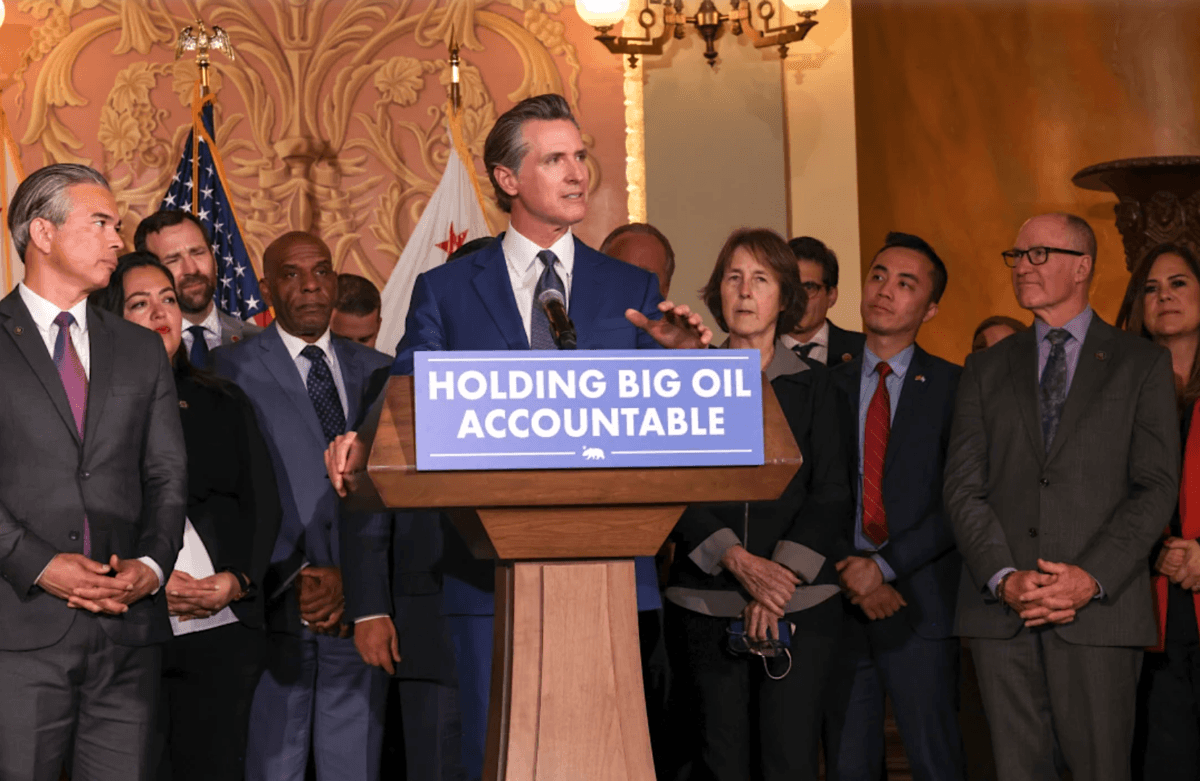
The group also said that Newsom’s administration is “tying the hands” of the next governor by imposing the five-year freeze.
Western States Petroleum Association, a trade group advocating for the oil industry, said the commission’s five-year pause was a step in the right direction but fell short of the group’s recommendations.
“While today’s action by the CEC stopped short of a full statutory repeal or a 20-year pause, it represents a needed step to provide some certainty for California’s fuels market,” association President Catherine Reheis-Boyd said in a statement provided to The Epoch Times.
According to Reheis-Boyd, the decision showed that the energy commission understood how the policy would have affected future investment in the state’s refineries.
The commission has not approved penalties since the regulations passed.
Houston-based oil giant Phillips 66 announced in October 2024 that it plans to close one of the company’s two Southern California refineries at the end of 2025.
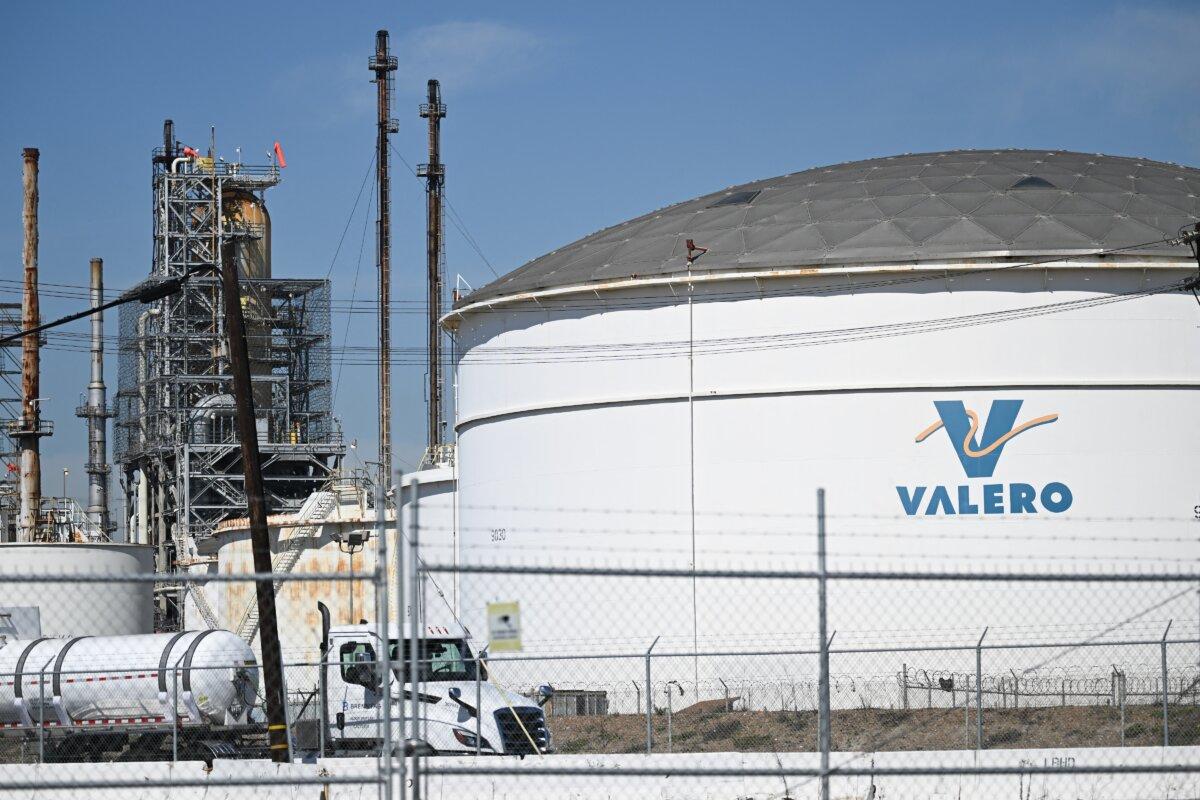
The refinery closures will leave more than 20 million gas-fueled vehicles in California with only seven refineries to produce specialized blends required by state regulations.
Beyond the penalty pause, Newsom’s administration is proposing to temporarily streamline approvals of new wells in existing oil fields in an effort to maintain a stable fuel supply.