Minnesota Gov. Tim Walz on Tuesday proposed a major overhaul of how the state administers Medicaid, calling for a centralized system to replace the current patchwork of counties and managed care organizations.
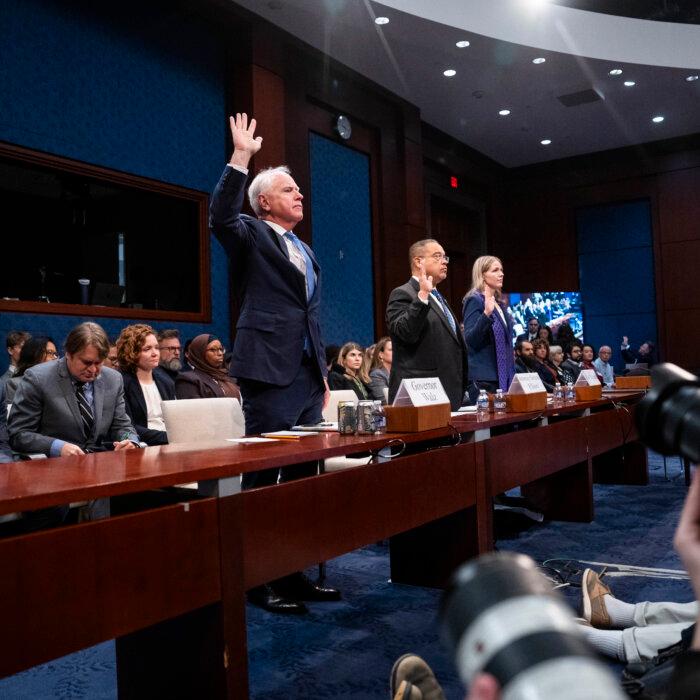
The proposal comes after months of mounting federal scrutiny over fraud in Minnesota’s social services programs. In February, the Trump administration withheld $259 million in Medicaid funds from the state over fraud allegations, and Walz and Attorney General Keith Ellison testified before Congress on March 4, defending their record.
Under the governor’s plan, Minnesota would phase out its eight Managed Care Organizations, which currently administer nearly 80 percent of basic Medicaid services, and replace them with a single statewide Administrative Service Organization to handle claims processing, billing, and provider services. The state would also take over Medicaid eligibility determinations from counties by July 1, 2028.
“It is just stating a reality as the system over the decades has become more complex and the systems have grown out,” Walz said at a press conference on Tuesday. “It has been difficult, especially for the counties, to be able to administer those correctly.”
The governor said the current decentralized model—which he called a “Frankenstein monster” built up over 40 years—makes it harder to detect fraud and hold anyone accountable. Minnesota is one of a small number of states that still operates a county-administered human services model, he said.
The state’s Department of Human Services (DHS) also announced on Tuesday a request for proposals from independent consulting firms to evaluate and restructure the agency, which administers services to roughly 1.2 million Minnesotans.
Walz estimated the proposal would cost $17 million in its first two years, with $55 million more in the following two years. A supplemental budget with further technology modernization details is expected before the end of the month.
The governor’s proposal received bipartisan pushback.
Minnesota House Fraud and Oversight Committee Chair Kristen Robbins said the plan to centralize functions at DHS was “a mistake.”
“DHS has proven over and over that they have not been able to manage these programs,” Robbins said in a video statement posted to social media Tuesday. She pointed to a state-commissioned report from last fall that flagged 90 percent of DHS-managed autism centers as potential fraud risks.
Robbins said that managed care organizations are the state’s strongest line of defense against Medicaid fraud, noting each operates its own specialized investigative unit with forensic accountants who review billing data.
“The managed care organizations are the most robust element of fraud detection we have in our Medicaid system right now,” Robbins said. “To cut the knees out from under them and try to centralize everything at DHS is a huge mistake.”
She also said managed care organizations reported fraud to DHS and to the attorney general’s office, but were allegedly ignored.
“They get ghosted,” Robbins said. “Nothing happens. It goes in a black hole.”
Robbins said she supports modernizing the state’s outdated technology systems—which Walz called “grossly outdated”—but urged the governor to pause the managed care proposal.
According to Minneapolis NBC affiliate KARE, Sen. John Hoffman, who chairs the state’s Senate Human Services Committee and is a part of Walz’s own party, the Minnesota Democratic-Farmer-Labor Party, said he was disappointed to learn of the proposal the night before its announcement without being given a chance to weigh in.
“Major structural changes to a system that serves hundreds of thousands of Minnesotans require thoughtful collaboration between the executive branch and the Legislature,” Hoffman said.
DHS Inspector General James Clark in the earlier press conference addressed the idea that the current structure is working. He said eight separate managed care organizations operating with eight different fraud-detection approaches, none sharing information with the others, creates a fragmented system that weakens oversight.
“This proposal streamlines and unifies Medicaid oversight,” Clark said. “I think that’s the direction we need to go.”
Walz acknowledged the plan will require legislative buy-in and said he expects bipartisan interest in the technology modernization piece. He also said he is “willing to take whatever political heat there is” for pursuing the changes.
“I’m not open to cutting services off to Minnesotans,” he said.
The governor later added: “We closed the back doors on this fraud and we can modernize while we have a chance. It puts Minnesota in a good position. But now is not the time for massive changes in the budget, massive expenditures, for anything like that. You will see us focus first and foremost on modernization, program integrity, and protecting the services that improve Minnesotans’ lives. This proposal captures both of those things.”