U.S. Vice President JD Vance said on May 19 that a planned U.S. troop deployment to Poland has been delayed and that it was not accurate to say the troops were being withdrawn from Europe.
Vance said at a May 19 White House briefing that he wants to encourage Europe to “take more ownership” of the common defense.
“We’re not talking about pulling every single American troop out of Europe. We’re talking about shifting some resources around in a way that maximizes American security. I don’t think that’s bad for Europe,” he said.
“We’ve not reduced the troop levels in Poland by 4,000 troops. What we did is that we delayed a troop deployment that was going to go to Poland, that’s not a reduction, that’s just a standard delay in rotation that sometimes happens in these situations.”
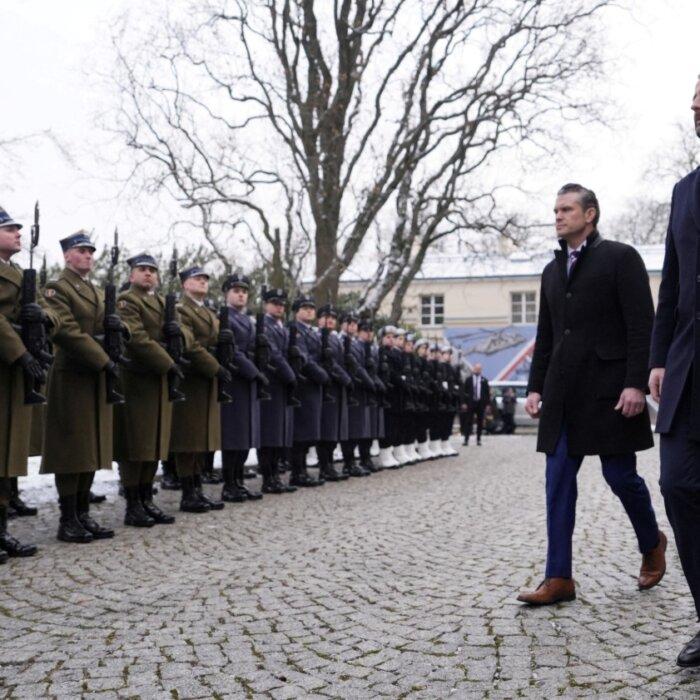
Pentagon spokesman Sean Parnell on Tuesday confirmed a “temporary delay” and said it was the result of a reduction in the number of brigade combat teams assigned to Europe, from four to three.
This decision was “the result of a comprehensive, multilayered process focused on U.S. force posture in Europe,” Parnell said in a May 19 statement.
“The Department will determine the final disposition of these and other U.S. forces in Europe based on further analysis of U.S. strategic and operational requirements, as well as our allies’ own ability to contribute forces toward Europe’s defense,” he added.
Parnell also said that Secretary of War Pete Hegseth spoke with Polish Deputy Prime Minister Wladyslaw Kosiniak-Kamysz on Tuesday, adding “the Department will remain in close contact with our Polish counterparts as this analysis proceeds, including to ensure that the United States retains a strong military presence in Poland.”
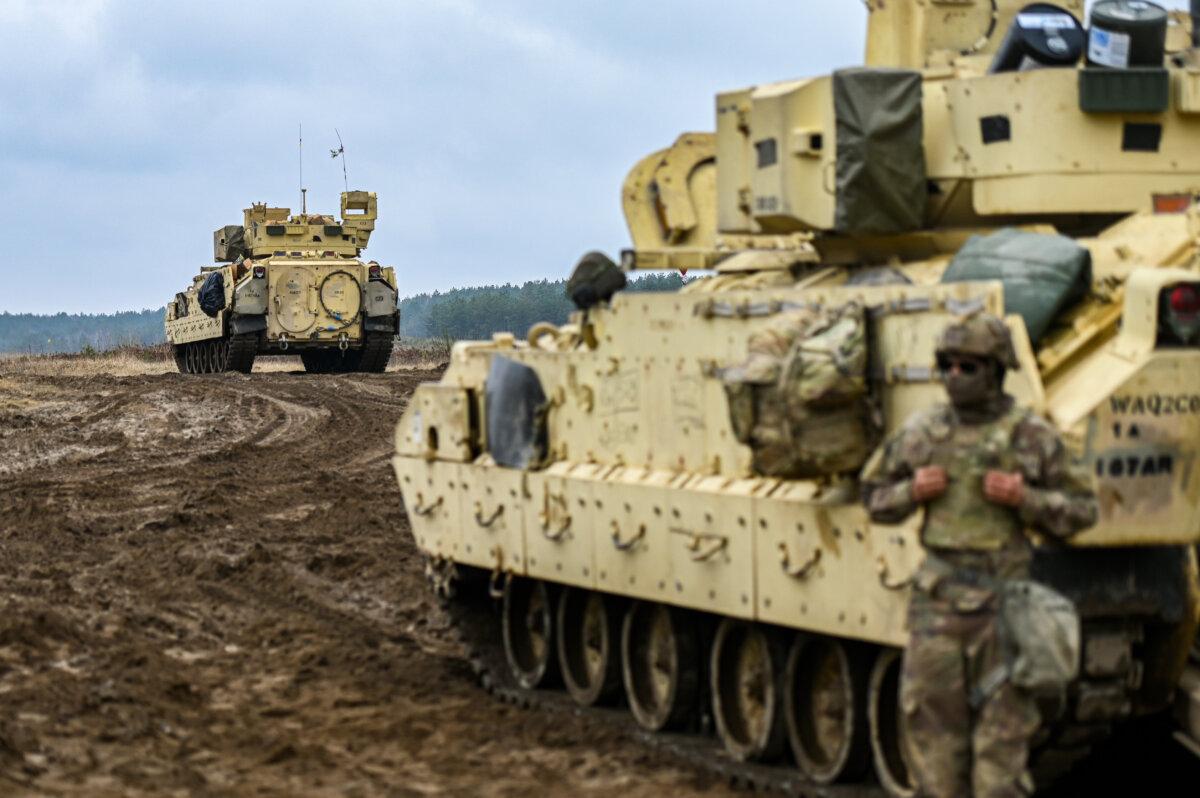
Currently, no NATO member state dedicates 5 percent of its GDP to defense spending. According to 2024 NATO data, the closest to the target is Poland at 4.12 percent. Several countries, including Italy and Canada, still fall short of the current 2 percent target.
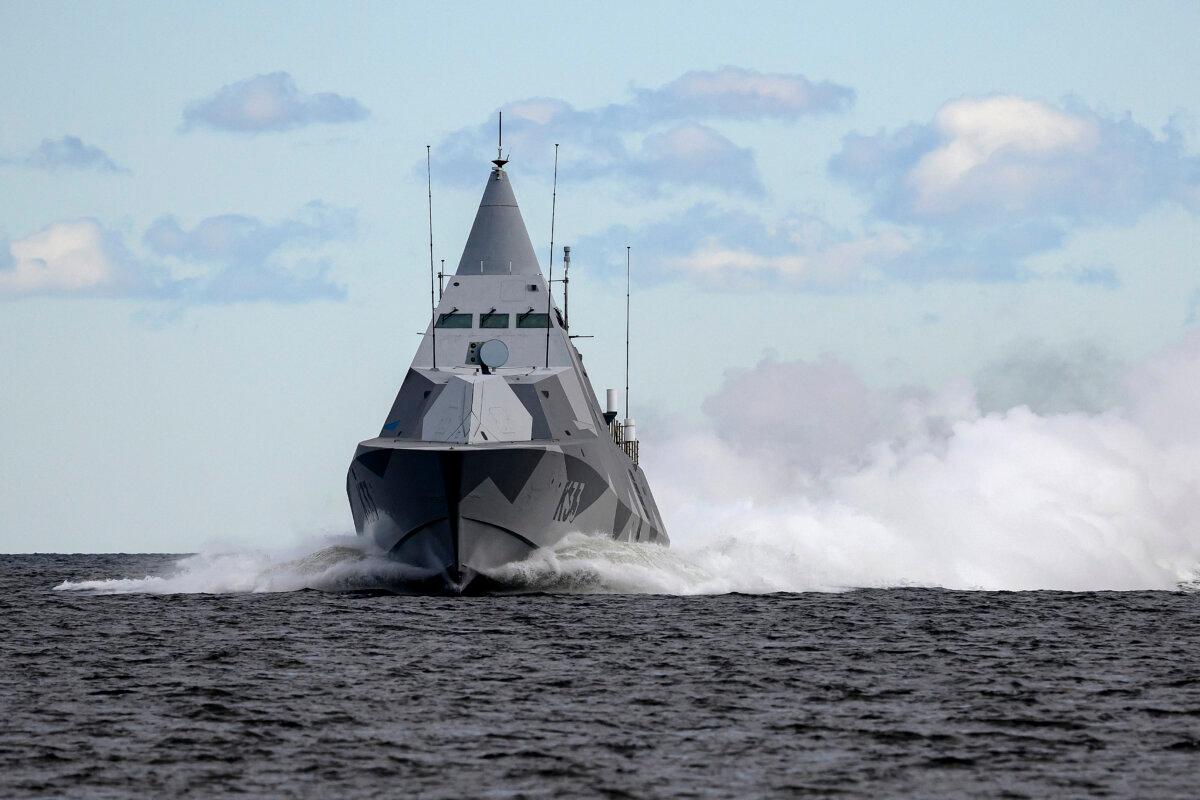
Sweden had maintained a policy of military nonalignment. In March 2024, it formally ended this policy by joining NATO.
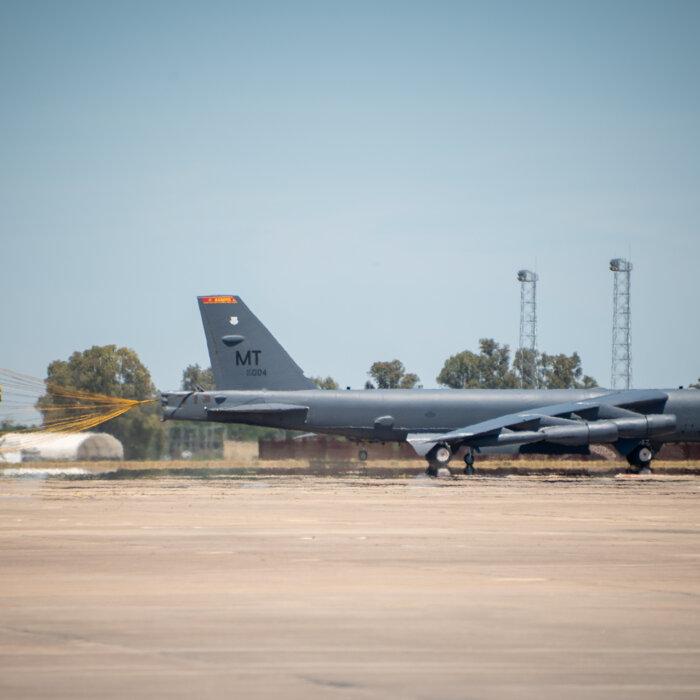
Spain has refused to increase NATO spending.
Last year, Spanish Prime Minister Pedro Sánchez said Spain reached a deal with NATO to be excluded from a 5 percent of gross domestic product (GDP) defense spending target.
“Spain will, therefore, not spend 5 percent of its GDP on defense, but its participation, weight, and legitimacy in NATO remain intact,” Sánchez said in a televised address on June 22.
In March, Spanish leaders blocked the use of their military bases for U.S. forces to support operations against Iran.