Vice President JD Vance said during an interview on Oct. 12 that President Donald Trump is not opposed to invoking the Insurrection Act, which would allow the president to deploy the military to prevent domestic unrest on U.S. soil.
“The president is looking at all his options,“ the vice president said in response, noting that the White House is ”talking about this because crime has gotten out of control in our cities.”
The possibility of invoking the Insurrection Act was previewed by Trump during remarks in the Oval Office last week.
“We have an Insurrection Act for a reason. If I had to enact it, I would do that,” Trump told reporters. “If people were being killed and courts were holding us up or governors or mayors were holding us up, sure I would do that.”
The military is restricted from being deployed on U.S. soil for law enforcement purposes under the Posse Comitatus Act of 1878, which was passed to limit the ability of the U.S. military to interfere in civilian matters.
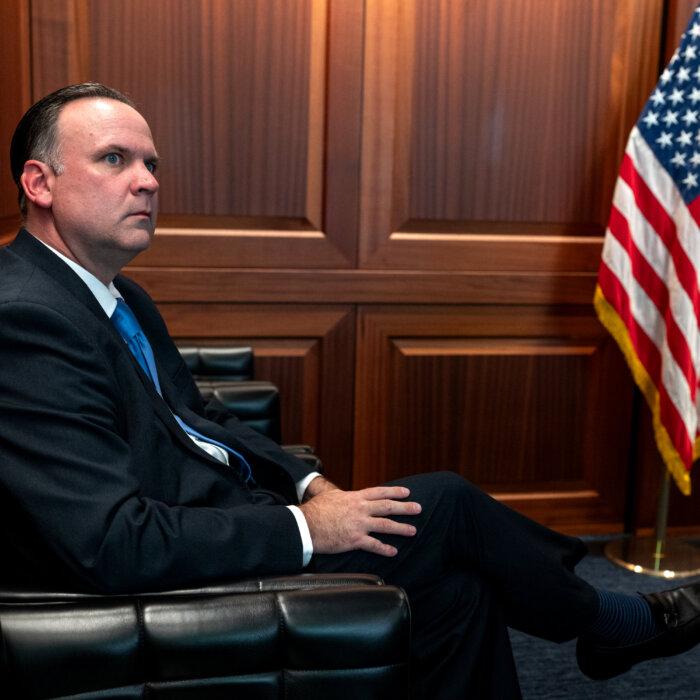
Vance clarified on Oct. 12 that, so far, Trump “hasn’t felt he needed to” invoke the act, which establishes an exception to the Posse Comitatus Act.
The last time the Insurrection Act was invoked was in 1992 during President George H.W. Bush’s term in the midst of deadly riots in Los Angeles following a jury acquittal of Los Angeles Police Department officers after the arrest and beating of Rodney King. Decades before, the Insurrection Act was invoked in the 1960s in response to state resistance to federal desegregation efforts during the Civil Rights movement.
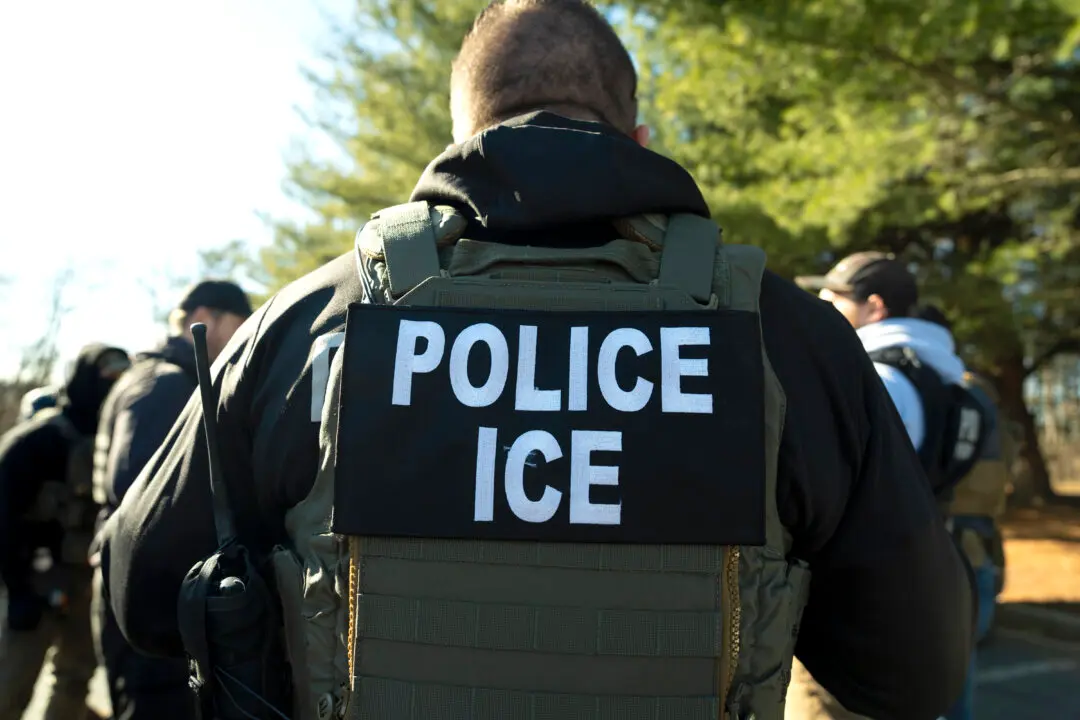
In the interview, Vance pointed to attacks targeting law enforcement officers enforcing federal immigration law under Trump’s directives. Last month, a man armed with a rifle fired at an Immigration and Customs Enforcement (ICE) office in Dallas, killing two people and injuring one.
Vance also noted that there has been a 1,000-percent increase in attacks against ICE agents under the Trump administration.
“We have people right now who are going out there who are doing the job the president asked them to do, who are enforcing our immigration laws,” he told NBC News.
The remarks come as an appeals court ruled that National Guard troops sent to Illinois by Trump can remain in the state but cannot be deployed to protect federal property or go on patrol for the time being. The ruling followed an order by a federal district court judge that temporarily blocked their deployment.
Separately, a federal judge on Oct. 5 blocked the administration from deploying National Guard troops to Portland, Oregon.