WASHINGTON—Vice President JD Vance and Secretary of State Marco Rubio made distinctive cases for President Donald Trump’s populist playbook on trade, reshoring industry, and more.
Rubio, who now also holds other posts in the administration, said that the loss of manufacturing over previous decades undercut American national security, leaving the country vulnerable to supply chains controlled by China and other adversaries.
“We didn’t just undermine our society. We didn’t just undermine our domestic economy. We’ve undermined our position in the world,” said Rubio, who served on the Senate Select Committee on Intelligence before joining the Trump administration.
Vance, who previously served in the Senate with Rubio, made the case that President Trump’s policies benefit everyday Americans.
The president won, Vance said, “because he was the first mainstream American politician to come along and say, ‘This isn’t working. These trade deals are not working for the normal people who power our economy.’”
Before President Trump was elected in 2016, third party candidates Ross Perot and Pat Buchanan ran on similar populist economic platforms.
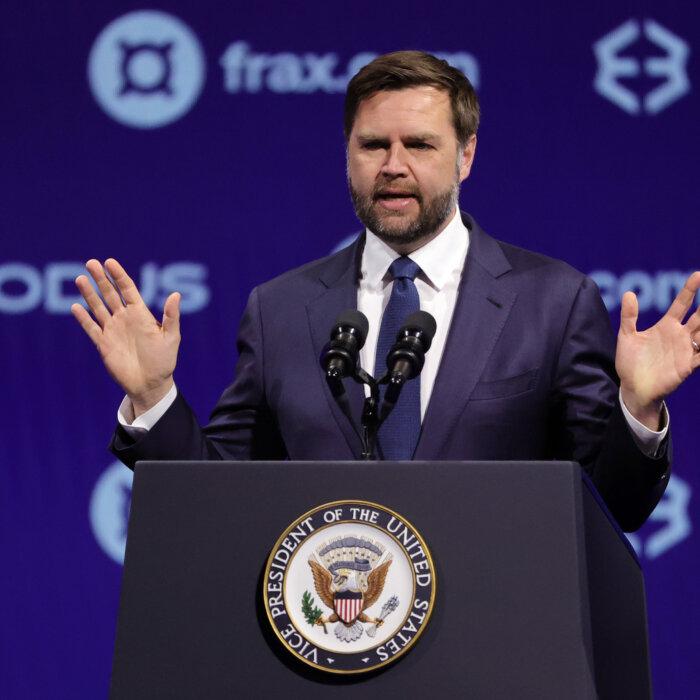
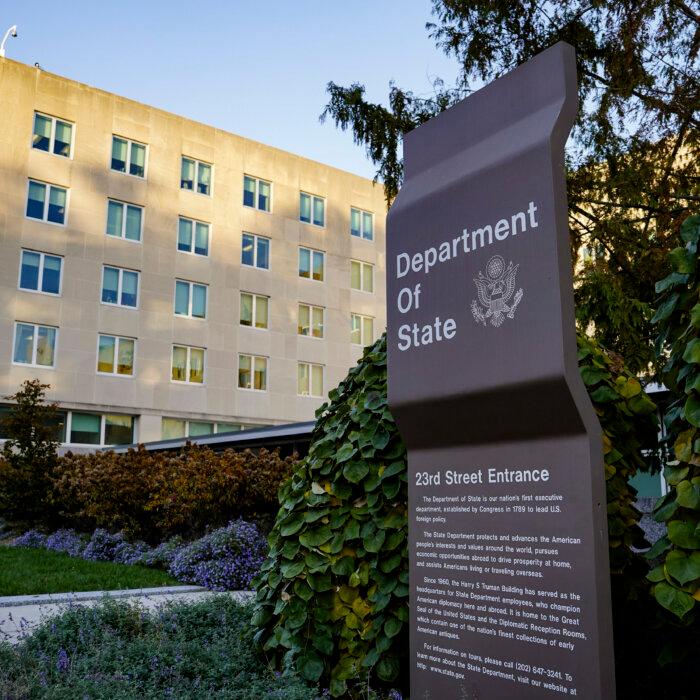
Rubio and Vance headlined a gala for American Compass, a nerve center for populist conservative economics.
The think tank is known for its work on tariffs, American industry, and organized labor, aligning it with much of the coalition that vaulted President Trump to the White House. The event’s sponsors included the multinational investment firm BlackRock and a union, the International Brotherhood of Teamsters.
Vance and Rubio’s speeches come several months into an administration marked by major shifts on economics, particularly trade through its round of April 2 “Liberation Day” tariffs.
The administration’s use of the International Emergency Economic Powers Act to impose those new trade restrictions has been challenged in the courts.
In his remarks, Rubio said free enterprise alone was insufficient when competing against the tactics employed by China.
“You cannot compete with a nation-state who has decided they’re not interested in making money,” the secretary of state said.
He told the audience that the United States’ industrial decline and reliance on imports is forcing tough choices on the world stage.
“There are a number of foreign policy issues,” said Rubio, where the policy the administration might want to pursue is constrained by the reality of “what we may not be able to do in the short term.”
Against the backdrop of deindustrialization, the value of materials in the U.S. National Defense Stockpile has cratered since the mid-twentieth century, declining to $1 billion in 2023 from $42 billion in 1952.