The Trump administration said in a court filing on Monday that fully funding the Supplemental Nutrition Assistance Program (SNAP) for November could imperil the federal school lunch program amid an ongoing government shutdown.
The agency said it would not tap into other funds, including one that holds tariff-related revenue dedicated to child nutrition programs, to be used for the full $8 billion to fund SNAP for the month.
“Section 32 Child Nutrition Program funds are not a contingency fund for SNAP,” wrote Patrick Penn, the USDA deputy undersecretary for Food and Nutrition Services, in a sworn court statement.
“Using billions of dollars from Child Nutrition for SNAP would leave an unprecedented gap in Child Nutrition funding that Congress has never had to fill with annual appropriations, and USDA cannot predict what Congress will do under these circumstances.”
Also in the statement, Penn added that the situation is a “no-win quandary” that forced the USDA to determine that creating a funding shortfall for the Child Nutrition Program to pay for a month of SNAP benefits poses “an unacceptable risk ... because shifting $4 billion dollars to America’s SNAP population merely shifts the problem to millions of America’s low income children that receive their meals at school.”
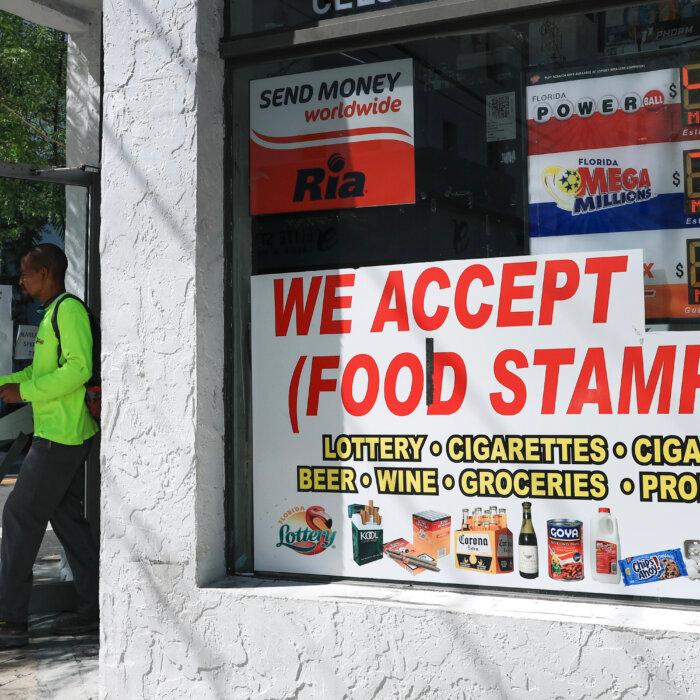
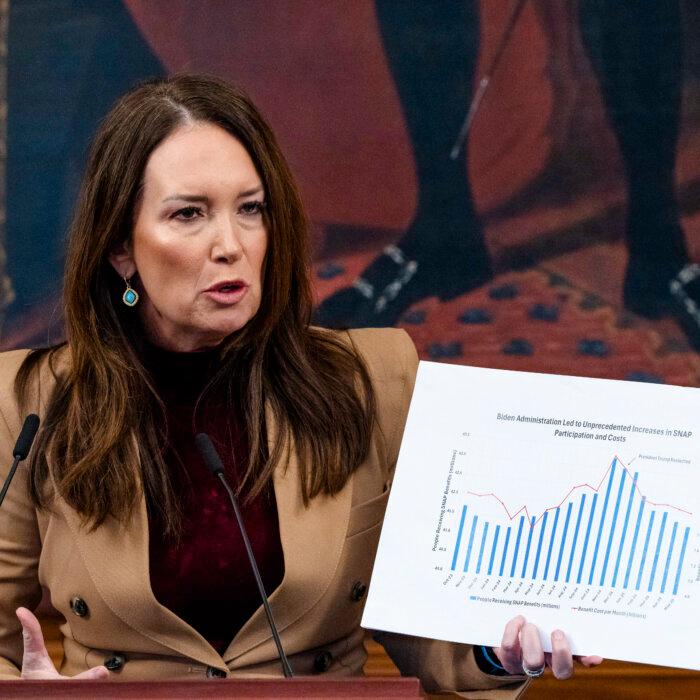
SNAP, which is used by roughly 42 million Americans, had a lapse in federal funding for the first time in history on Nov. 1, sending states, food banks, and other organizations to fill the gap. The government shutdown, which began on Oct. 1, has dragged on for more than a month, after members of Congress could not reach an agreement on a stopgap measure.
A federal judge in Rhode Island on Oct. 31 ordered the government to keep SNAP funded during the shutdown. Attorneys for the Trump administration have said that the agency lacks the capacity to tap a contingency fund to support SNAP and that there are administrative hurdles.
Penn made note of those complications, saying in his filing on Monday that it could take several weeks or months for SNAP recipients to receive their November benefits.
“For at least some States, USDA’s understanding is that the system changes States must implement to provide the reduced benefit amounts will take anywhere from a few weeks to up to several months,” he wrote.
It’s not clear, meanwhile, how much beneficiaries will receive, nor how quickly beneficiaries will see value show up on the debit cards they use to buy groceries.
The process of loading the SNAP cards, which involves steps by state and federal government agencies and vendors, can take up to two weeks in some states. The average monthly benefit is usually about $190 per person.