
USDA Warns Grocery Stores Against Illegal Discounts for SNAP Recipients

The agency said that all SNAP-authorized stores must treat food stamp users the same as other customers.
USDA Warns Grocery Stores Against Illegal Discounts for SNAP Recipients
A liquor store advertises the acceptance of Electronic Benefit Transfer (EBT) in Los Angeles on July 15, 2025. John Fredricks/The Epoch Times
Tom Ozimek
Tom Ozimek
Reporter
|Updated:
0:00

The U.S. Department of Agriculture (USDA) has reminded grocery retailers that offering special discounts or incentives exclusively to food stamp users is prohibited under federal law unless stores first obtain an official waiver.

In a notice updated on Oct. 30, the agency stated that retailers authorized to accept Supplemental Nutrition Assistance Program (SNAP) electronic benefit transfer (EBT) cards “must comply” with the SNAP equal treatment rule, which mandates equal pricing and terms for all customers.

“You must offer eligible foods at the same prices and on the same terms and conditions to SNAP-EBT customers as other customers, except that sales tax cannot be charged on SNAP purchases,” the agency said.

“Offering discounts or services only to SNAP-paying customers is a SNAP violation unless you have a SNAP Equal Treatment Waiver.”

Equal Treatment Rule

Federal rules require that food stamp users be treated just like any other customer. Under two key provisions—one governing electronic benefit systems and another covering retailer conduct—stores must give SNAP shoppers the same access to prices, discounts, and checkout lanes as everyone else.

The regulations ban both discrimination and favoritism—retailers can’t charge SNAP customers more or deny them sales, but they also can’t give them exclusive discounts or perks.

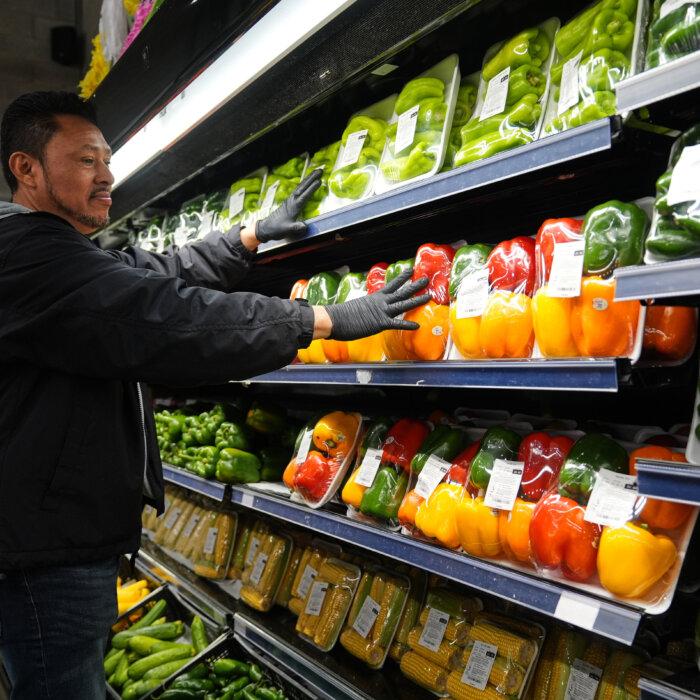
Only stores that receive a USDA “incentive waiver” may offer special incentives as part of a program promoting healthy eating, such as extra benefits for buying fruits and vegetables to reduce diet-related diseases.
Stores can apply for such waivers by filling out a form, in which they can pick one of several incentive models, such as a percentage or dollar discount at the point of purchase.

Shutdown Impact and SNAP Scrutiny

The reminder that grocery stores must apply for waivers if they want to give special discounts to food stamp beneficiaries was issued as SNAP funding became entangled in the fiscal standoff that has shuttered the federal government since the beginning of October.
Two federal judges issued orders on Oct. 31 requiring the USDA to use emergency contingency funds to continue food stamp payments after the agency warned that funding had run out. As a result, the agency has agreed to fund SNAP for November—but at reduced levels.
On Nov. 3, USDA lawyers said the department would comply with the court order by using $4.6 billion in contingency funds to cover roughly half of November’s SNAP payments. That means recipients will receive about 50 percent of their normal benefits, or an average of roughly $94 for the month, according to a court filing.

The USDA also disclosed that some states will struggle to reprogram payment systems to distribute reduced benefits.

“For at least some States, USDA’s understanding is that the system changes States must implement to provide the reduced benefit amounts will take anywhere from a few weeks to up to several months,” the agency said in the filing.

The USDA’s reminder that unauthorized discounts to food stamp recipients are illegal also comes amid heightened scrutiny of SNAP operations during the ongoing government shutdown.

Secretary of Agriculture Brooke Rollins said on Nov. 2 that SNAP is “a broken and corrupt program,” with nearly two dozen states refusing to hand over data to the Department of Government Efficiency (DOGE) on whether illegal immigrants were receiving food stamp benefits.

“And guess what? In just the states that cooperated, we’ve already uncovered massive fraud,” Rollins wrote in a post on X on Sunday.

In an interview on Fox News, she said that dozens of people have been arrested for SNAP fraud, thousands of dead people were receiving benefits, and thousands of cases of illegal benefit use have been uncovered.


Google LogoMark Us Preferred on Google
Tom Ozimek
Tom Ozimek
Reporter
Tom Ozimek is a senior reporter for The Epoch Times. He has a broad background in journalism, deposit insurance, marketing and communications, and adult education.
twitter