A case of the New World screwworm has been detected in South Texas—the first known case of the flesh-eating parasite in the United States since 2017—the U.S. Department of Agriculture (USDA) announced June 3.
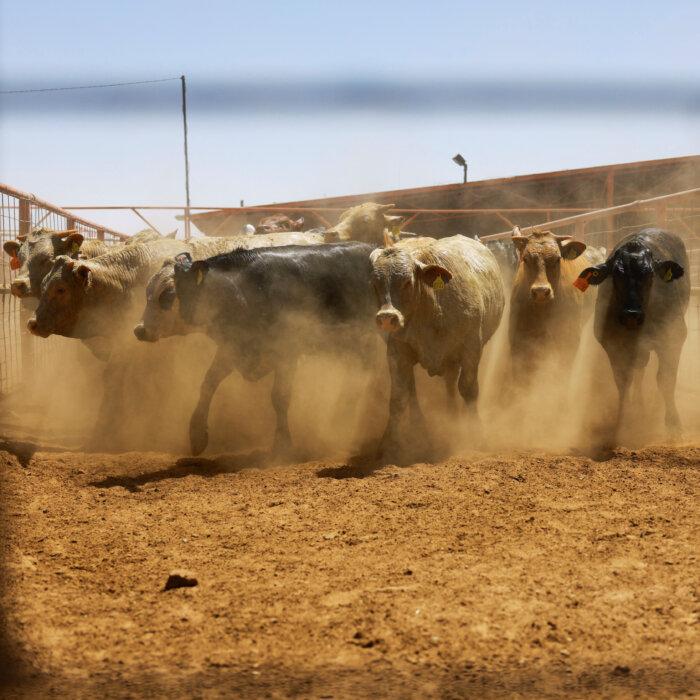
“The affected animal is a 3-week-old calf and larvae were identified in its umbilical area,” the USDA said. “To date, there have been no further detections.”
The sample was sent to the USDA’s national veterinary laboratory in Ames, Iowa, for confirmation.
Fears of an infestation have grown in the past week as confirmed cases of the parasite reached within a few miles of the Texas border. A case was confirmed in a 5-year-old goat in Mexico’s Coahuila state, about 25 miles away from the border, on Tuesday.
Texas Rep. Don McLaughlin urgently requested that Gov. Greg Abbott declare an emergency in the state to prepare for the oncoming threat.

“If the case is confirmed positive, the NWS Response Team will immediately establish an incident response post, expand fly trapping and surveillance efforts, and restrict animal movement to prevent further spread of the pest,” Mahaleris said in the statement. “Targeted releases of sterile NWS flies will be expedited to eliminate any reproducing populations in the area.”
Abbott’s press office did not return requests for comment about the situation by time of publication.
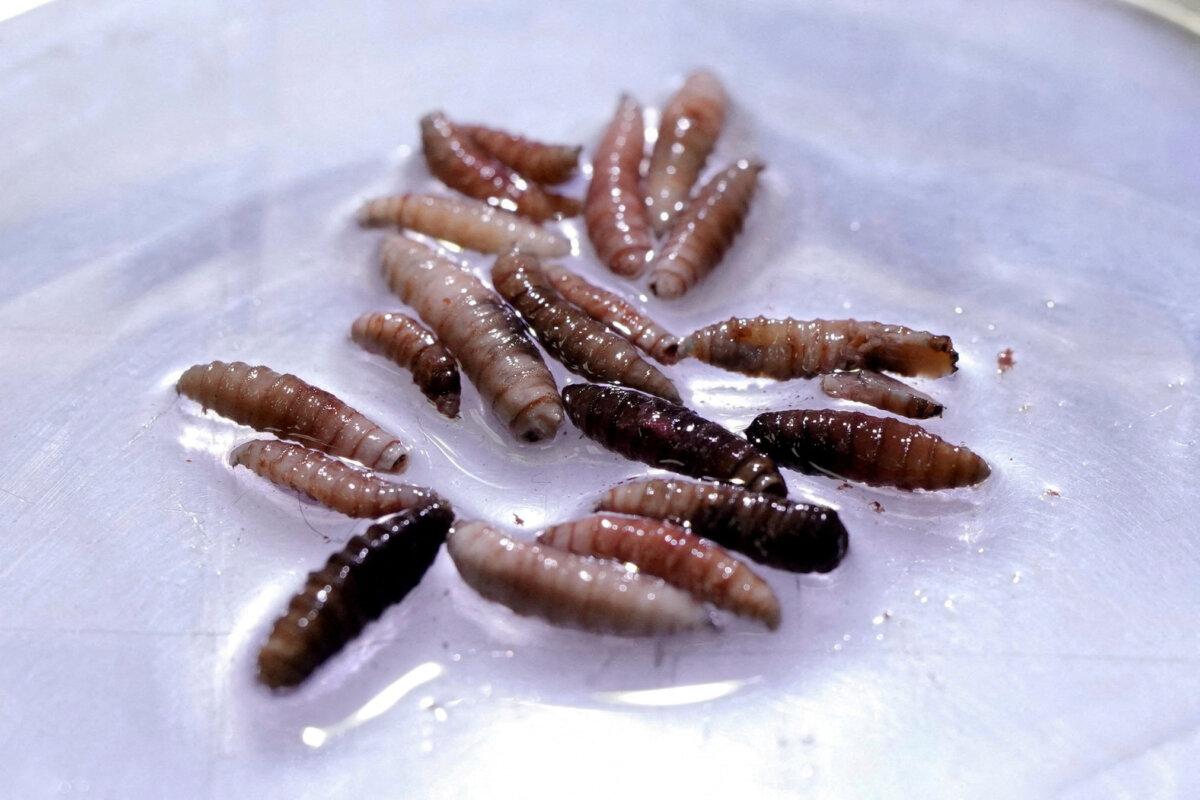
The New World screwworm—a flesh-eating parasite—infests warm-blooded animals, including livestock, pets, and wildlife, causing severe tissue damage and sometimes death, according to the U.S. Department of Health and Human Services (HHS).
In rare cases, it can also infest humans in the same way. In recent outbreaks across Central America and Mexico, authorities reported at least seven human fatalities linked to screwworm infestations, according to the Centers for Disease Control and Prevention (CDC).
That type of response is not possible today.
“We stopped producing the fly in the United States,” McLaughlin said.
The USDA is working on increasing the availability of sterile flies to meet the current demands of an outbreak, the agency said.
McLaughlin also requested President Donald Trump to declare a national emergency to address the situation that he said could destroy livestock, wildlife, human health, and the economy of the region.
“We need every agency and every able body onboard,” McLaughlin said. “This is something that will affect not just the southern states. It will affect the whole United States.”
The declaration applies only to drugs for animals.