The U.S. State Department has expressed concern over Papua New Guinea’s decision to close Taiwan’s representative office, calling it another instance of China’s “intimidation campaign” against the island.
“We are deeply concerned by reports that the Government of Papua New Guinea has unilaterally ordered the closure of the Taipei Economic Office in Port Moresby,” a State Department spokesperson said in a statement on July 17.
Calling Taiwan a reliable, democratic partner, the spokesperson said that its relationships with countries around the world deliver “significant benefits” to their citizens, including those in Papua New Guinea.
“This is yet another example of Beijing’s intimidation campaign against Taiwan and its supporters around the world, which undermines the sovereign decisions of countries choosing to partner with Taiwan and threatens international peace and prosperity,” the spokesperson said.
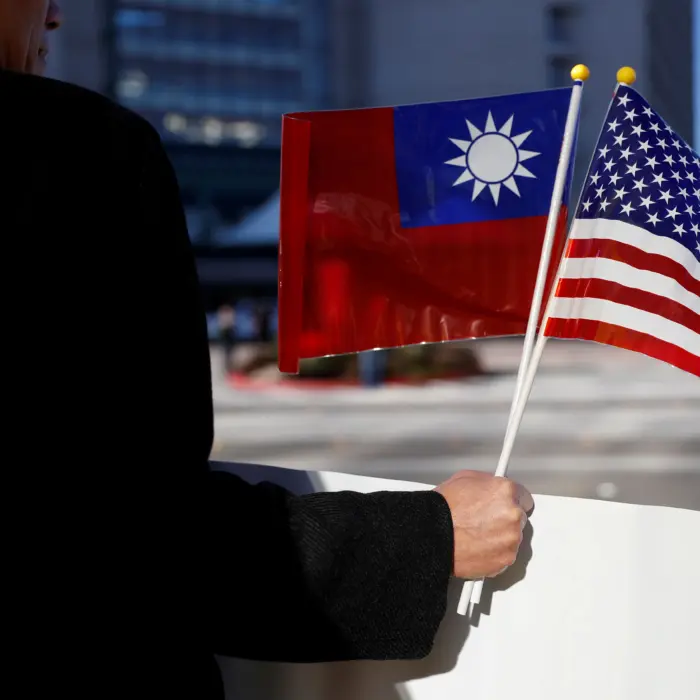
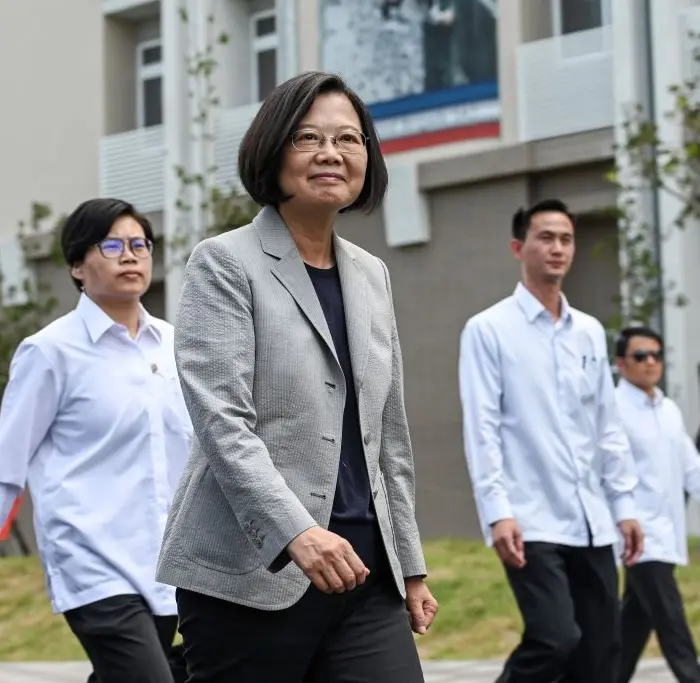
Taiwan Diplomacy
Taiwan currently has 12 diplomatic allies, including the Marshall Islands, Palau, and Tuvalu in the Pacific.
In 1990, Taiwan established its representative office in Papua New Guinea despite a lack of formal diplomatic ties.
Beijing has welcomed Papua New Guinea’s decision. During a daily briefing on July 16, a spokesperson for the CCP’s foreign ministry applauded the Pacific nation for upholding its “one-China principle.”
Many countries, including the United States, adhere to a “one-China policy,” acknowledging that there is only one sovereign state called “China” while not endorsing China’s claim of sovereignty over Taiwan. That differs from Beijing’s “one-China principle,” under which it claims Taiwan as part of its territory—a position rejected by Taipei.
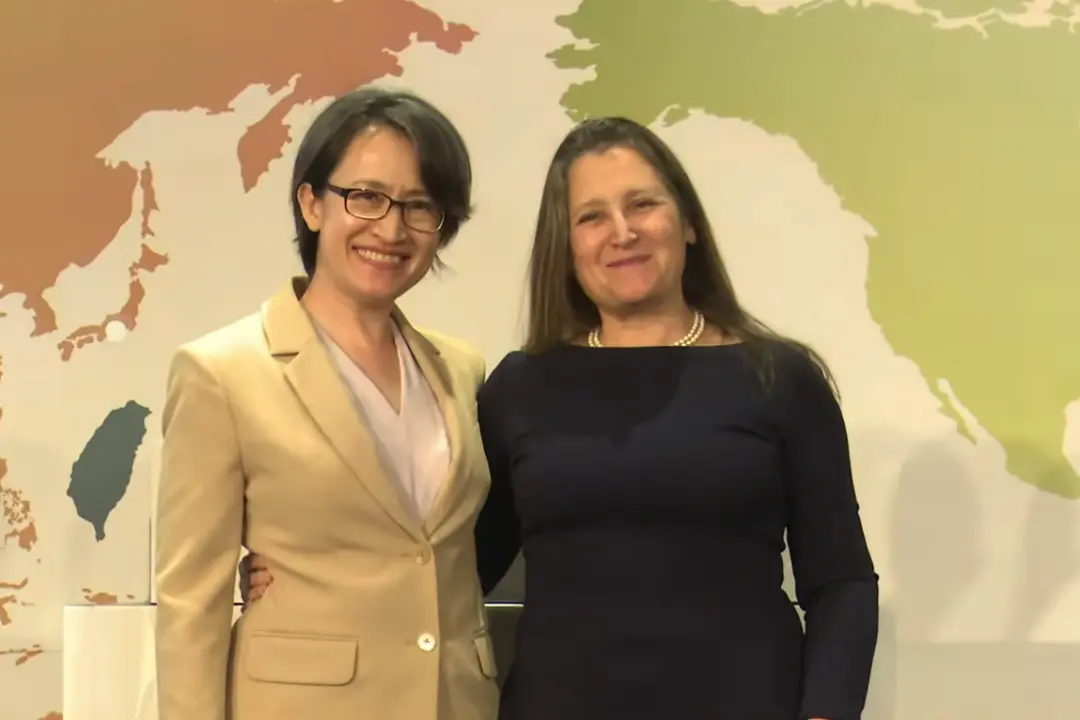
Taiwanese Vice President Hsiao Bi-khim described the island’s diplomatic situation as “extremely difficult” while speaking to reporters on July 17.
“China is constantly suppressing our ability to survive and limiting our opportunities to expand our international presence,” Hsiao said. “So this is certainly a setback.”
Hsiao said that Taiwan will continue to seek to expand opportunities for cooperation with the international community.
In response to Papua New Guinea’s decision, Taiwanese Foreign Minister Lin Chia-lung told reporters on July 18 that Taiwan was reviewing its economic ties with the Pacific nation, particularly its imports of liquefied natural gas (LNG). Lin noted that Taiwan imports about 1.2 million tons of LNG from Papua New Guinea annually, accounting for roughly one-third of the country’s total LNG exports.
In 2024, Papua New Guinea exported LNG worth about K20.6 billion (US$5.3 billion). Japan, Australia, China, Taiwan, Singapore, South Korea, and Malaysia accounted for the bulk of its LNG exports, according to statistics from the Pacific nation’s National Statistical Office.
Lin offered an explanation for Papua New Guinea’s decision, saying the Pacific nation had come under China’s “political pressure” and “economic coercion.”
‘CCP Playbook’
Yeh Yao-yuan, a professor of international studies at the University of St. Thomas in Houston, said Papua New Guinea’s decision was not a surprise. In a Facebook post on July 17, Yeh said that China and Papua New Guinea have enjoyed a good bilateral relationship.
Yeh said that Taiwan does not need to engage in “checkbook diplomacy” as China does in an attempt to win diplomatic recognition.
“Taiwan should invest its resources in building deeper relationships with countries that are more friendly toward Taiwan and that can provide strategic support,” Yeh wrote.
Alicia Kearns, a British lawmaker who once chaired the parliamentary Foreign Affairs Committee, said it was “very disappointing” to see Papua New Guinea’s decision, according to her X post on July 16.
“It shrinks Taiwan’s already tiny diplomatic space, isolating Taipei is vital to [the] Chinese Communist Party,” Kearns wrote.
Papua New Guinea’s decision was also a reflection of the CCP’s strategy, Kearns said.
“It shows the CCP playbook working: economic dependence creates political compliance. No troops needed,” she wrote. “It signals cash strapped countries will be captured by debt entrapment.”
In 2018, Papua New Guinea signed up to the CCP’s Belt and Road Initiative (BRI), a foreign policy that aims at building up geopolitical clout by financing infrastructure projects throughout Southeast Asia, Africa, and Europe.
In 2023, Papua New Guinea’s prime minister, James Marape, met with Chinese leader Xi Jinping in China. According to a readout of the meeting from Papua New Guinea’s Department of the Prime Minister and National Executive Council, the two leaders discussed completed projects under the BRI, including a school called Butuka Academy in Port Moresby.
China also agreed to provide 100 million yuan (about $14 million) in funding for mutually agreed projects under the BRI, according to the readout.