Experts urged Congress on Sept. 18 to launch a federal task force and utilize the Racketeer Influenced and Corrupt Organizations (RICO) Act to target Chinese transnational gangs involved in illegal marijuana farming in the United States.
“This isn’t just about marijuana,” Oklahoma Bureau of Narcotics Director Donnie Anderson told lawmakers during a congressional hearing on Sept. 18.
“I’m not talking about mom or pop operations or even about people who utilize marijuana for whatever medical purpose they use it for. I’m talking about real organized transnational criminals who do not have our best interests at heart.”
Witnesses told of illegal growing operations that are increasingly being exploited by Chinese transnational gangs and Mexican cartels.
The experts—Anderson, former Drug Enforcement Administration agent Christopher Urben, and Paul Larkin of the Heritage Foundation—recommended Congress use a combination of federal and state-level law enforcement to curb illegal cannabis farming.

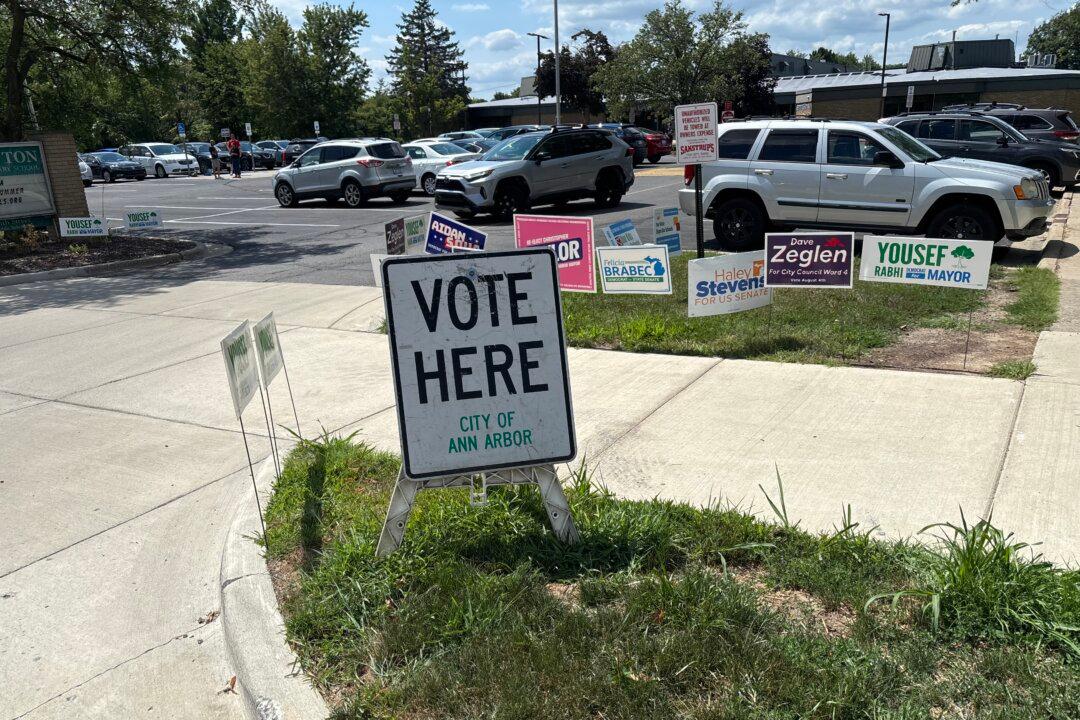
Anderson said the operations are surging in Oklahoma for several reasons, including the state’s loose regulations on the number of plants marijuana cultivators are allowed to grow for the state’s medical marijuana program, inexpensive agricultural land, and crackdowns on black market cannabis farming in nearby states.
Rep. Josh Brecheen (R-Okla.), the subcommittee’s chair, said Chinese nationals have been caught approaching residents in several states with cash offers to use their identity to “purchase a nearby, attractive land.” In return, the resident keeps a share of the profits, “no questions asked.”
Soon after, large-scale illegal marijuana grow operations materialize, where workers are forced to endure 14-hour days while being confined to small living conditions with “minimal running water,” minimal air conditioning, the smell of toxic fumes, and “fumigation from pesticides that are lit on fire” as armed guards watch over, Brecheen said.
He said many of these criminal operations are directly tied to the Chinese Communist Party, which is facilitating “an underground criminal network” in the United States.
Rep. Shri Thanedar (D-Mich.) said local law enforcement in Michigan arrested four Chinese nationals several months ago after uncovering more than 5,000 marijuana plants worth roughly $5 million in a warehouse.
He said billions of dollars in profits from illegal marijuana cultivation help the Chinese regime “wrestle global influence away from the United States through foreign investment in developing nations that the Trump administration has cut aid to.”
“The illegal marijuana proceeds also fuel Mexican cartels that traffic deadly fentanyl to the United States,” Thanedar said.
He also said that black market cannabis production is a “threat to ... national security, human rights, and the environment.”
Anderson said that even though many of these states have legal marijuana markets, including Oklahoma, much of the illegally grown cannabis is shipped to other states, where it can end up in places where marijuana is still illegal or access is more restricted.
“[It] has nothing to do with marijuana. If someone wants to ingest marijuana, that’s their business,” Anderson said.
“For me, it has everything to do with transnational criminal organizations who are doing things such as trafficking in very large amounts of marijuana. They are laundering billions, not millions.”
Rep. Marjorie Taylor Greene (R-Ga.) said, “There’s medical uses of marijuana, but the American people have no idea that Chinese transnational criminal organizations are involved and that it’s leading to other extremely terrible and dangerous crimes and fentanyl.”
Urben said it’s essential for the federal government to take the same approach it used against Italian organized crime in the 1980s and 1990s and pursue RICO charges against illegal marijuana cultivators operating in the United States.
“Chinese organized crime leaders need to understand that the federal government will aggressively target them with severe consequences, using other federal authorities to target the related crimes such as human trafficking, money laundering, tax evasion, mortgage fraud, as well as state and local laws and regulations governing the cultivation operations themselves and those governing land power use and water violations will have a material impact,” he said.