The United States has imposed sanctions on two Mexican nationals and nine companies it said are linked to Jalisco New Generation Cartel (CJNG) and a multimillion-dollar business smuggling fuel across the U.S.–Mexico border.
The U.S. Treasury said on June 30 that the CJNG-linked scheme used shell companies and tax-evasion schemes to move fuel from the United States into Mexico, while avoiding Mexican fuel taxes.
The operation has generated tens of millions of dollars a year for the cartel, the Treasury added, and has helped fund its broader criminal activities.
The sanctions are part of a wider effort by the Trump administration to target cartel finances beyond drug trafficking.
Treasury officials said fuel theft and smuggling, known in Mexico as huachicol, has become one of the largest sources of revenue for criminal groups after narcotics.
“Today’s action highlights the extent to which Mexico’s cartels are expanding beyond traditional drug trafficking to generate revenue for their criminal organizations, which continue to traffic deadly drugs that kill Americans,” said Treasury Secretary Scott Bessent.
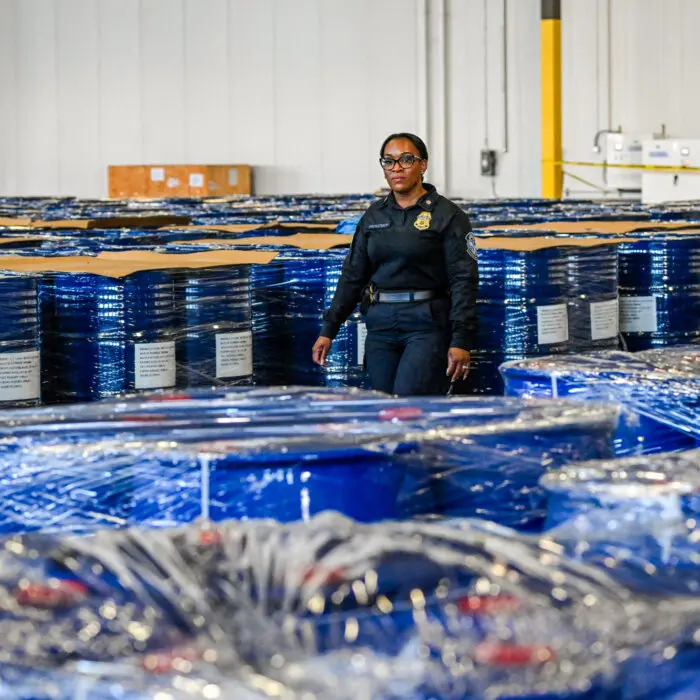
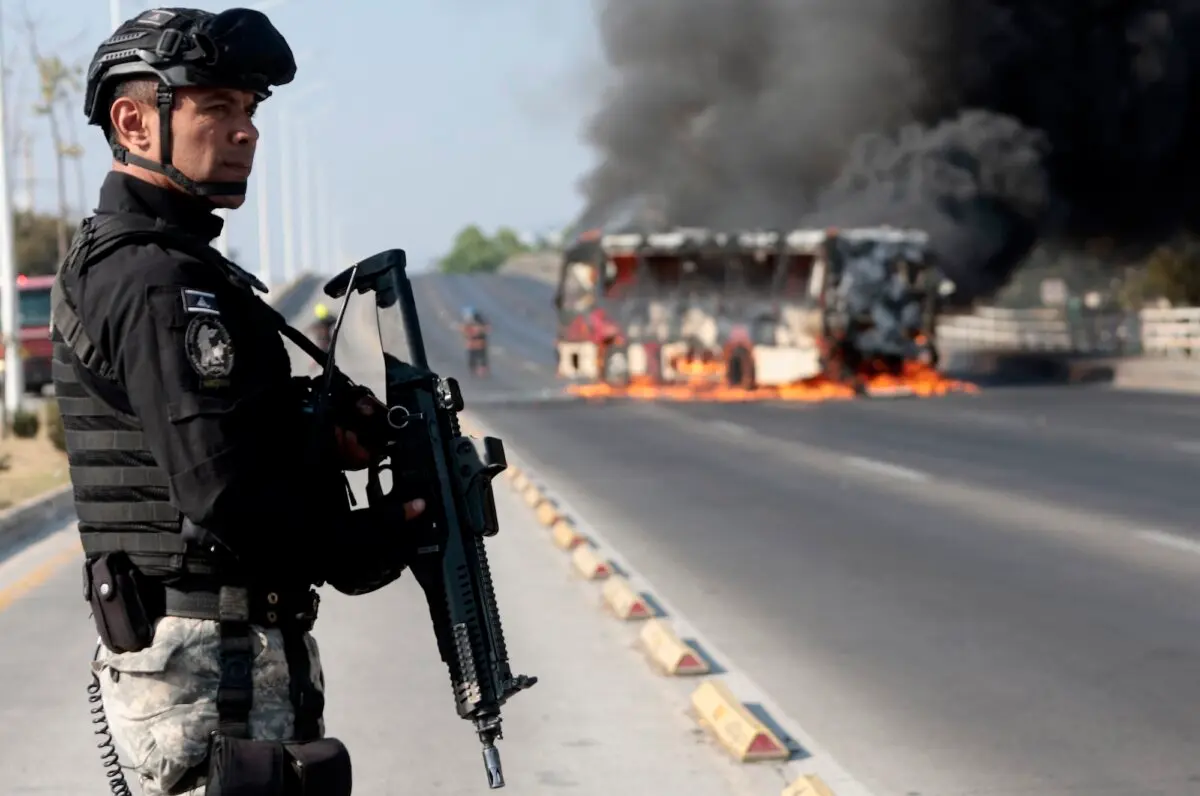
Treasury officials said criminal groups steal crude oil and fuel from Mexico’s state-owned oil company, Pemex, by tapping pipelines, stealing from refineries, hijacking tanker trucks, and bribing employees.
The fuel is sold on the black market or smuggled across the U.S.–Mexico border.
Some stolen crude oil is shipped into the United States disguised as waste oil, the Treasury said, before being sold through U.S. companies.
At the same time, gasoline, diesel, and other fuels are smuggled from the United States into Mexico using false customs documents and shell companies to avoid Mexican fuel taxes.
Sanctioned
Among those sanctioned on June 30 was Oscar Guillermo Juraidini Silva, whom the Treasury accused of helping run CJNG’s fuel-smuggling business.Officials said he set up shell companies, used false customs documents, and mislabeled fuel shipments from the United States to avoid Mexican taxes.
The Treasury also sanctioned seven companies that it said Juraidini owns or controls, including businesses in Mexico and one in the UK.
The department also sanctioned J. Refugio Ruiz Villagomez, accusing him of smuggling fuel from the United States into Mexico without the required permits.
Officials said he is linked to two logistics companies, Jomadi Logistics & Cargo and Ahavat Logistics Solution, that investigators allege were involved in the scheme and handled tens of millions of dollars through the U.S. financial system.
Following the Money
The Financial Crimes Enforcement Network (FinCEN) said the fuel-smuggling networks rely on brokers, shell companies, and complex financial transactions to hide the proceeds.According to the agency, cartel-linked businesses use international wire transfers, shell companies, and digital assets to pay U.S. fuel suppliers.
In some cases, the Treasury said, payments were made using cash generated from drug trafficking as part of broader money-laundering schemes.
Officials said the proceeds were then used to buy luxury vehicles, jewelry, real estate, and other investments.
The Treasury also alleged that some of the money was used to influence political campaigns and public officials in Mexico, although it did not identify any individuals.
FinCEN also said a 2025 advisory on crude oil smuggling led to more than 160 Suspicious Activity Reports involving more than $7 billion in transactions, many linked to CJNG.
The reports most often involved businesses in Texas and Florida, particularly communities near the U.S.–Mexico border.