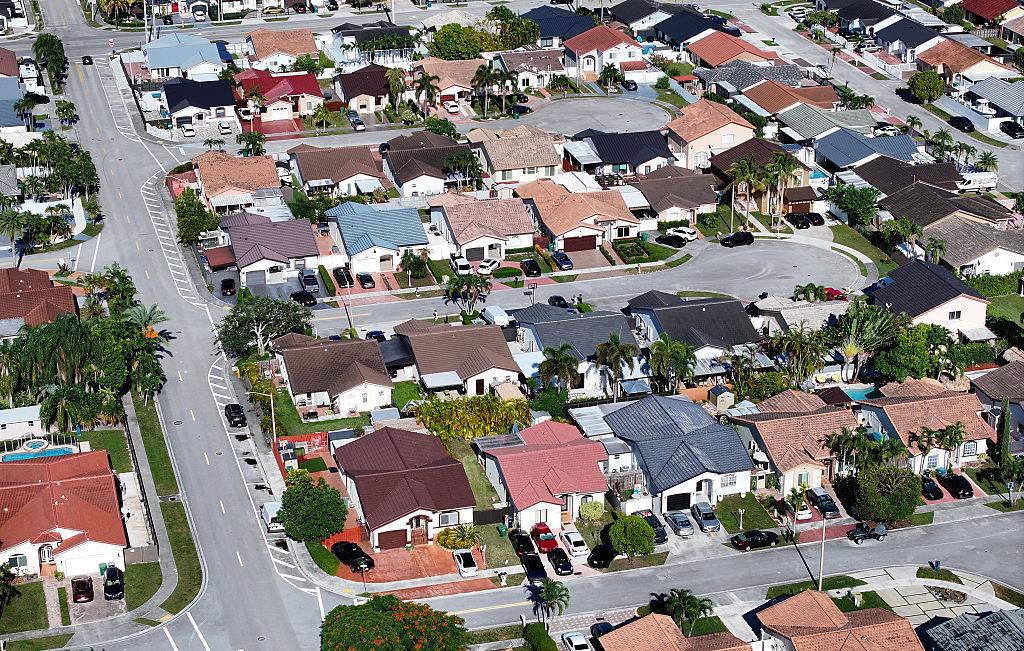
U.S. President Donald Trump’s representatives held talks with a Russian delegation in Florida on March 11, according to U.S. special envoy to the Middle East Steve Witkoff.
The Russian side was led by Kirill Dmitriev, Russian President Vladimir Putin’s special envoy for international economic and investment cooperation, while the U.S. side included Witkoff, Jared Kushner—Trump’s son-in-law and adviser—and White House senior adviser Josh Gruenbaum.
“The teams discussed a variety of topics and agreed to stay in touch,” Witkoff wrote in a post on X March 11 without disclosing further details about the discussions.
In a post on Telegram, Dmitriev thanked Witkoff, Kushner, and Gruenbaum for what he described as a productive meeting. He said the talks touched on potential projects that could help restore U.S.–Russian relations, as well as the “current crisis situation in global energy markets.”
Ushakov said Putin outlined ideas aimed at bringing the Iran conflict to a “prompt political and diplomatic settlement,” including outreach to Gulf leaders, Iranian President Masoud Pezeshkian, and other heads of state. Trump later told reporters that he had “a very good call” with Putin and confirmed that they discussed both Ukraine and the Middle East.

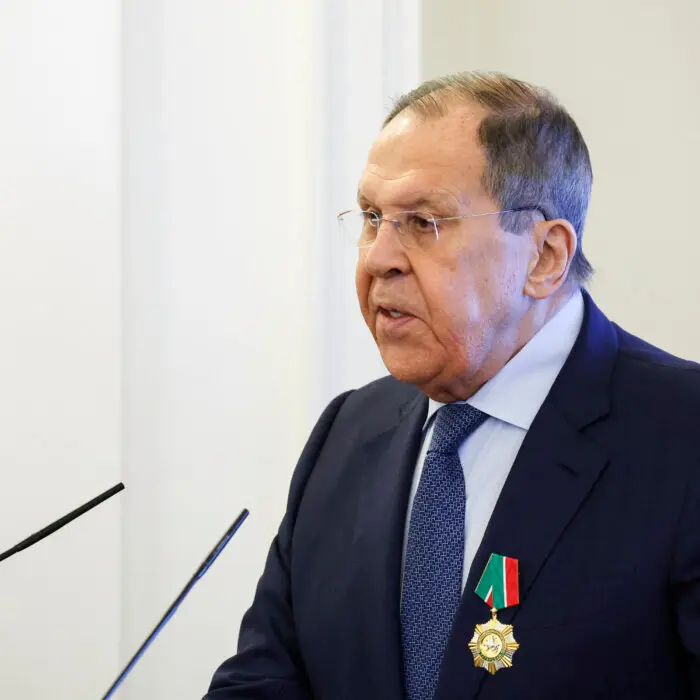
It remains unclear whether the latest U.S.–Russian contacts touched on allegations that Moscow has provided intelligence to Iran, including information that could help Tehran target U.S. forces in the Gulf. Trump did not directly confirm or deny the reports but suggested that any such assistance would have little practical impact.
“If you take a look at what’s happened to Iran in the last week, if they’re getting information, it’s not helping them,” the president told reporters on March 7 aboard Air Force One while traveling to Miami.
Asked whether reported Russian assistance would affect his view of the bilateral relationship, Trump drew a comparison to Russia’s stance on U.S. intelligence support for Ukraine.
“They’d say we do it against them. Wouldn’t they say that we do it against them?” he said.
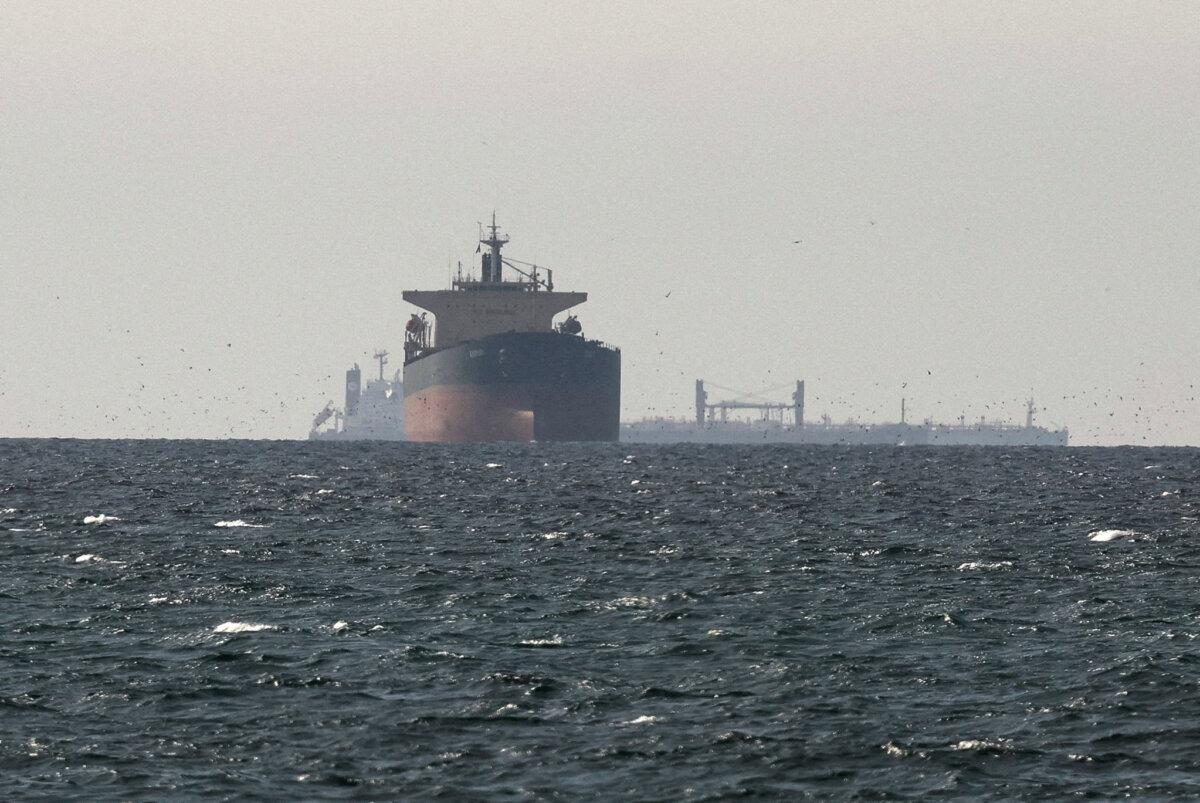
Russia, which relies heavily on oil revenue to help finance its war in Ukraine, stands to benefit from the disruption to global energy markets stemming from the United States and Israel’s war with Iran. Oil prices surged above $100 per barrel earlier this week as traders priced in the risk of attacks while sailing through the Strait of Hormuz, a chokepoint that carries roughly one-fifth of the world’s oil.
The escalation in the Middle East has also complicated U.S.-backed diplomacy to end the war in Ukraine, which has now entered its fifth year. Ukrainian President Volodymyr Zelenskyy said a planned round of trilateral talks involving the United States, Ukraine, and Russia was postponed amid international focus on Iran, according to Ukraine’s national news agency Ukrinform.
The meeting was expected to take place this week in Turkey, Zelenskyy said, but U.S. representatives asked to delay it to next week.