Federal regulators will no longer require banks to spell out how they manage climate-related financial risk, following objections from officials in the Trump administration and Republican lawmakers, who said that climate policy was distorting financial regulation.
Introduced in 2023, the rules applied to banks with more than $100 billion in assets and were intended to incentivize institutions to integrate climate considerations into governance, scenario analysis, and risk oversight.
Regulators said the withdrawal reflects a return to long-standing safety and soundness standards that already require banks to manage all material risks—without singling out climate.
“Existing safety and soundness standards require large financial institutions to have effective risk management processes commensurate with the size, complexity and risk of their activities,” the memo stated, adding that existing rules and guidelines “are sufficient to help ensure financial institutions are managing all material risks.”
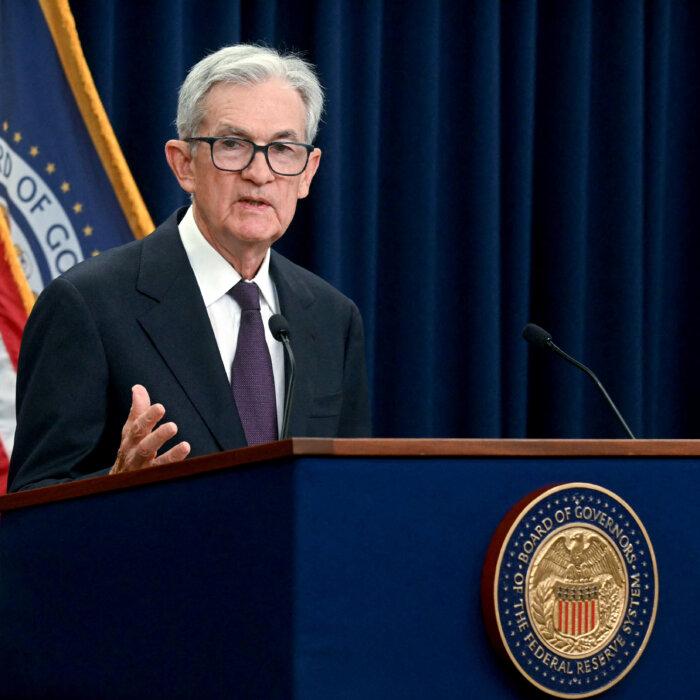

“One likely potential consequence could be to discourage banks from lending and providing financial services to certain industries, forcing them to seek credit outside of the banking system from non-bank lenders,” Bowman said. “This could result in decreasing or eliminating access to financial services and increasing the cost of credit to these industries. These costs will ultimately be borne by consumers.”
“The rescission contains literally no evidence to support taking this step only two years after putting the principles into effect,” Barr said. “We owe the public a rational, evidence-based explanation for our actions, and this rescission fails that test.”
“My view has not changed since 2023: to the extent severe weather events could cause disruptions to specific firms or to the financial system, I would expect that large banks would seek to be proactive in monitoring, assessing, and appropriately addressing such risks,” Cook said. “I also believe it is advantageous for the banking industry to have stable, well-understood supervisory expectations.”
The rollback marks a broader effort by the Trump administration to unwind climate-related directives across financial agencies and limit the role of environmental, social, and governance factors in regulatory supervision.
Climate advocates called the move a setback for efforts to prepare the financial system for extreme weather disruptions.