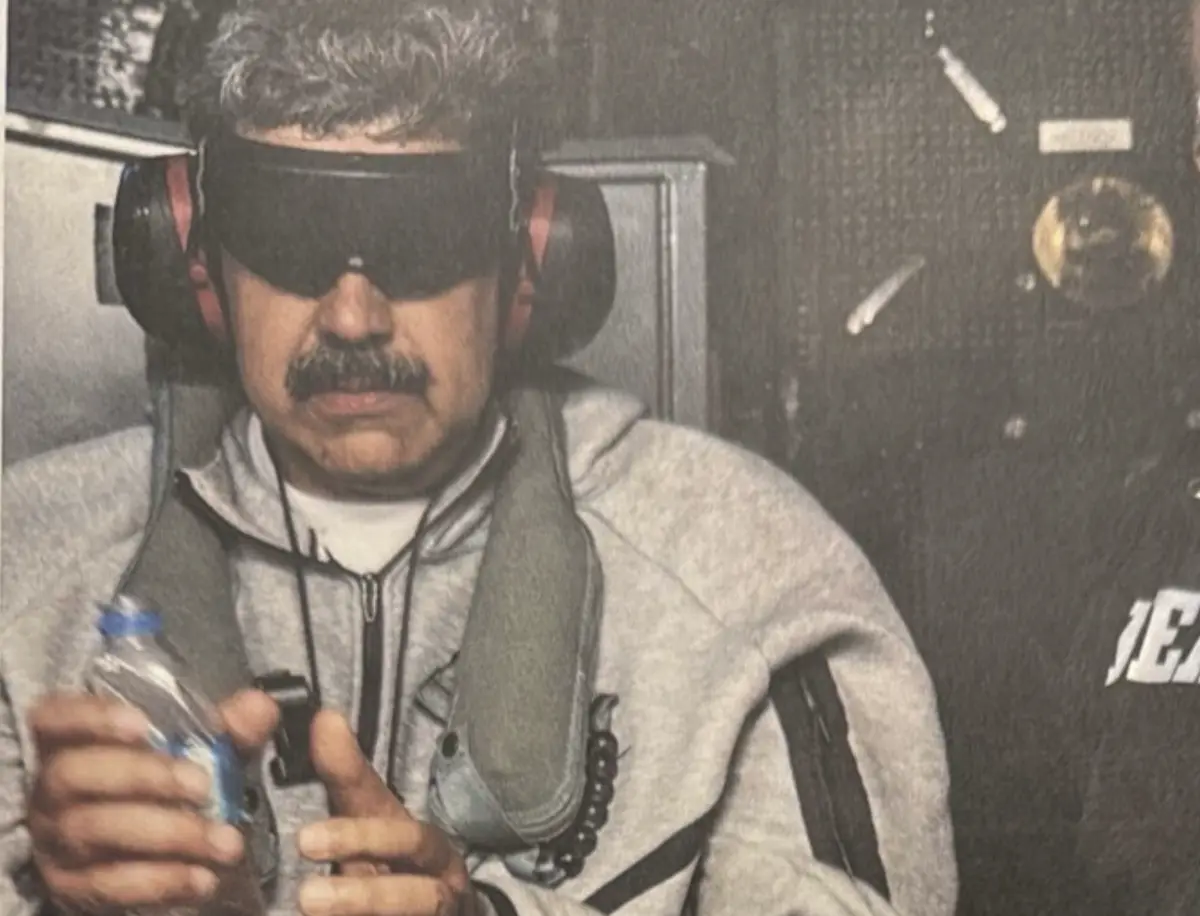
Former Venezuelan leader Nicolás Maduro, who was captured by the United States military in January, should not be able to use funds from Caracas to defend himself against narcotics trafficking charges, U.S. prosecutors said on March 13.
Last month, Maduro’s lawyer Barry Pollack urged U.S. District Judge Alvin Hellerstein to dismiss the indictment on the basis that the U.S. Department of the Treasury had, without explanation, revoked an exemption to financial sanctions that would have allowed the Venezuelan regime to fund his defense.
Pollack argued that the Treasury Department was interfering with Maduro’s right to counsel under the U.S. Constitution’s Sixth Amendment.
Mark Donnelly, an attorney representing Maduro’s wife, Cilia Flores, has also asked Hellerstein to dismiss charges against her for the same reason.
Maduro, 63, and his 69-year-old wife are charged, alongside others, including Hector Rusthenford Guerrero Flores, an alleged leader of the Tren de Aragua (TdA) cartel, with conspiracy to import cocaine into the United States and narcoterrorism.
Maduro and his wife have both pleaded not guilty to the charges on the indictment and are in jail awaiting trial.
Prosecutors from the Manhattan U.S. Attorney’s office said Maduro and Flores would be allowed to use their personal funds for their defense.
“While both defendants claim that they are entitled to funds under the Venezuelan constitution ... both defendants also surely knew that the U.S. Government did not consider them to hold legitimate positions,” prosecutors wrote in a legal submission to Hellerstein.
The United States accuses Maduro, who took office in 2013, of rigging his reelection votes in 2018 and 2024, which he denies.
Attorney Cites Venezuelan ‘Custom’
Donnelly said that under “Venezuelan law and custom,” the expenses of the president and his wife were paid for out of the public purse.An official in Venezuela’s attorney general’s office confirmed last month that the government in Caracas was willing to pay for Maduro’s legal defense.
The prosecutors argued that the initial exemption was an “administrative error.”
Maduro and Flores will be back in court in Manhattan on March 26, at which point Hellerstein may rule on the legal fees dispute.
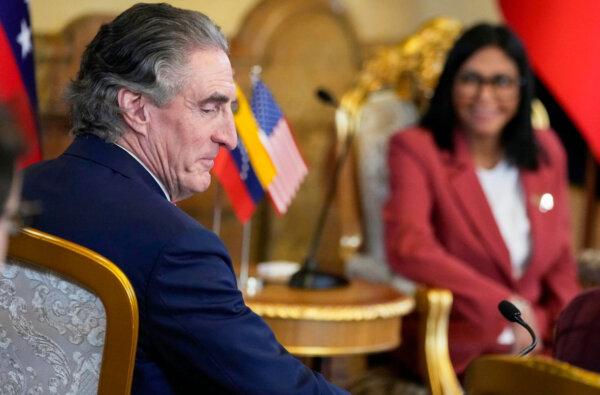
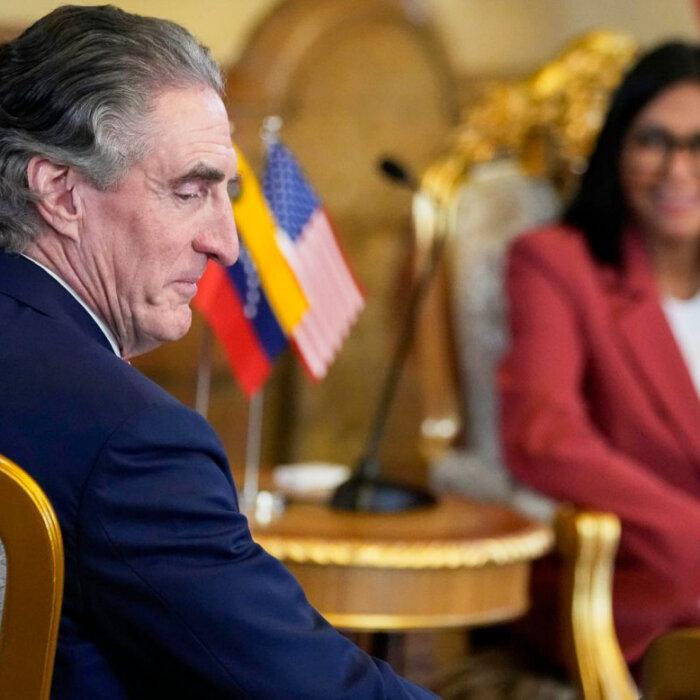
She was visited in Caracas earlier this month by U.S. Interior Secretary Doug Burgum, who discussed foreign investment in the country’s minerals.
Burgum leads President Donald Trump’s National Energy Dominance Council, which includes more than 20 mining and mineral companies based in the United States, many of which had previously worked in Venezuela.
In a March 11 court filing in a separate case, a U.S. State Department official said Washington recognizes Rodriguez as Venezuela’s sole head of state.
The Epoch Times reached out to the Venezuelan Ministry of Popular Power for Communication and Information for comment, but did not receive a response by publication time.