The U.S. Nuclear Regulatory Commission (NRC) on July 8 proposed narrowing environmental reviews for new and renewed nuclear reactor licenses, a move the agency said would reduce costs, as the Trump administration pushes to expand nuclear energy.
The proposal would change how the NRC implements the National Environmental Policy Act (NEPA), limiting reviews to environmental effects that fall within the agency’s legal authority.
The NRC described the proposal as the “most comprehensive update to its environmental review regulations in decades," adding that it would remove outdated requirements and make the licensing process more efficient.
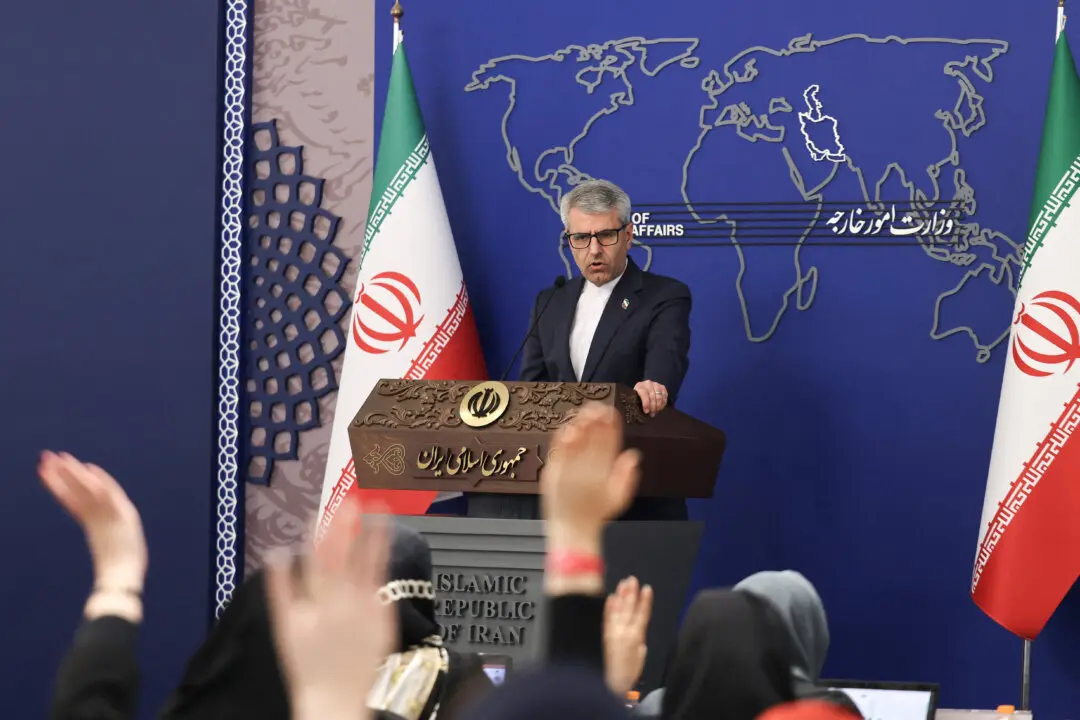
NRC Chairman Ho Nieh said the proposal, which is open for public comment until Aug. 21, would better align the agency’s environmental reviews with what Congress intended under NEPA.
He told reporters that “for many, many, many years NRC did much more than required by law in the National Environmental Policy Act. So this really brings us back to what NEPA demands, nothing more, nothing less.”
Nieh also said that “by concentrating on impacts the NRC can address, we’ll strengthen environmental protection while making licensing reviews more timely and predictable.”
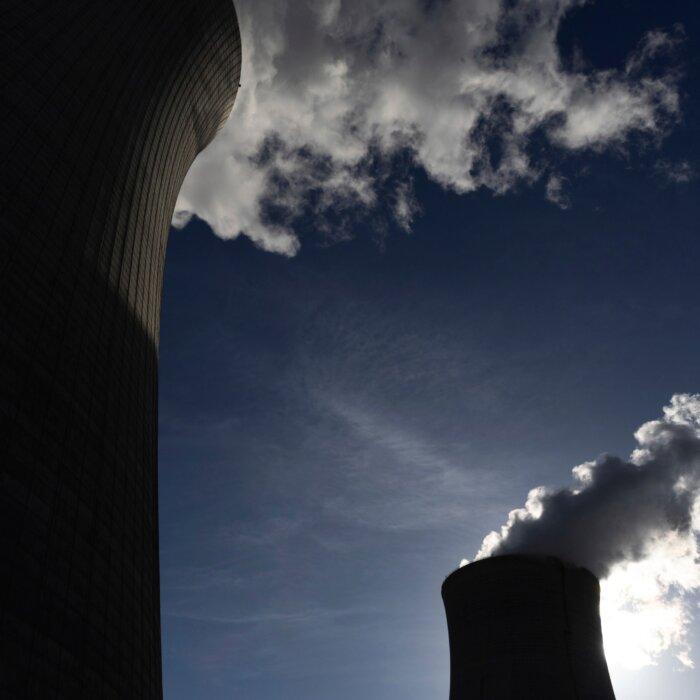
He added that the NRC proposes to limit areas where it does not have authority over effects on the environment, such as the construction of nuclear plants.
“Dust, noise, air impacts, non-radiological water, or non-radiological effects, all of those things are examples of where we’re they’re outside of our regulatory authority, and so we won’t be doing those in the future,” he added.
NRC’s chief environmental review and permitting officer, Kimyata Savoy, said the proposal would save reactor developers and the agency about $135 million in licensing costs for new reactors and license renewals.
Other measures under the proposal include new categorical exclusions, an update of environmental review procedures, and greater flexibility for applicants in providing environmental information.
Series of Reforms
The July 8 proposal comes one week after the NRC announced broader changes to reactor licensing and radiation safety regulations.The NRC said the changes would modernize regulations and make it easier to build new reactors without reducing safety standards.
The proposal drew criticism from some nuclear safety experts.
Edwin Lyman, director of nuclear power safety at the Union of Concerned Scientists, said in comments submitted to the NRC in July 2025 that there was “absolutely no technical or practical basis” for changing the agency’s use of the “as low as reasonably achievable” (ALARA) standard.
The regulatory changes also coincide with progress in the administration’s advanced reactor program.
Criticality is the point at which a reactor reaches a stable chain reaction capable of producing electricity continuously.
The reactor, known as Unity and developed by Deployable Energy, met the July 4 deadline established by Trump’s 2025 executive order, which required at least three advanced reactor concepts to achieve criticality outside national laboratories.