Liquid natural gas (LNG) exports to Mexico, delivered mainly from Texas by pipeline, grew to an average of 6.4 billion cubic feet per day in 2024—about 25 percent above the 2019 level, the agency reported.
Average daily consumption of LNG in Mexico increased by nearly 1 billion cubic feet to 8.6 billion cubic feet during that same period.
The United States consumed an average of 90.3 billion cubic feet of natural gas daily in 2024.
Mexico’s demand for electric power has been increasing, driving the need to import more LNG, but exporters are facing limitations due to the country’s pipeline infrastructure and storage capacity, EIA reported.
“Natural gas exports to Mexico could be on track to reach new records this year,” the American Gas Association (ACA), a trade group, said in June.

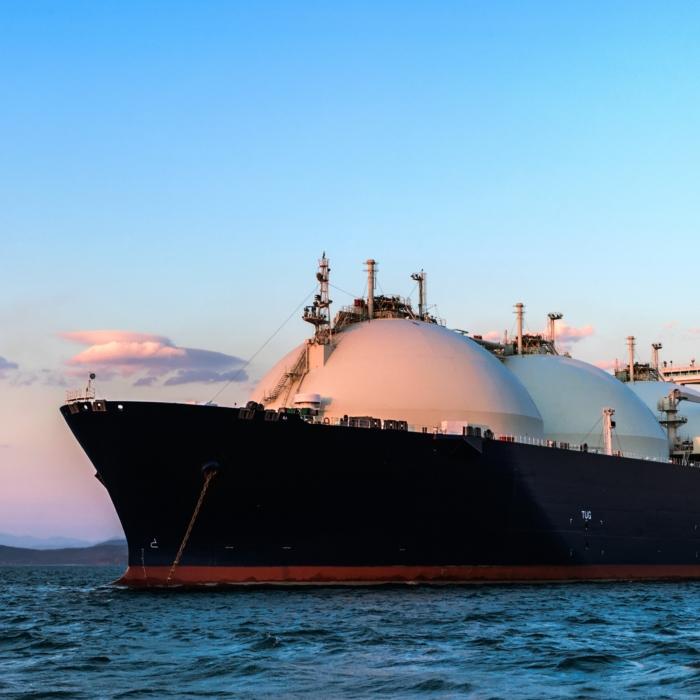
Monthly export averages this year have exceeded the 2024 averages for each month through May. As of June 5, average daily exports were 5.5 percent higher than in 2024.
Exports from West Texas and South Texas, encompassing much of the nation’s highest producing oil fields in the Permian Basin, accounted for about 91 percent of all U.S. pipeline exports to Mexico last year, the report stated.
“[LGN] from the prolific Permian Basin in West Texas primarily serves northwestern, central, and southwestern Mexico through various natural gas systems in Mexico,” the EIA stated.
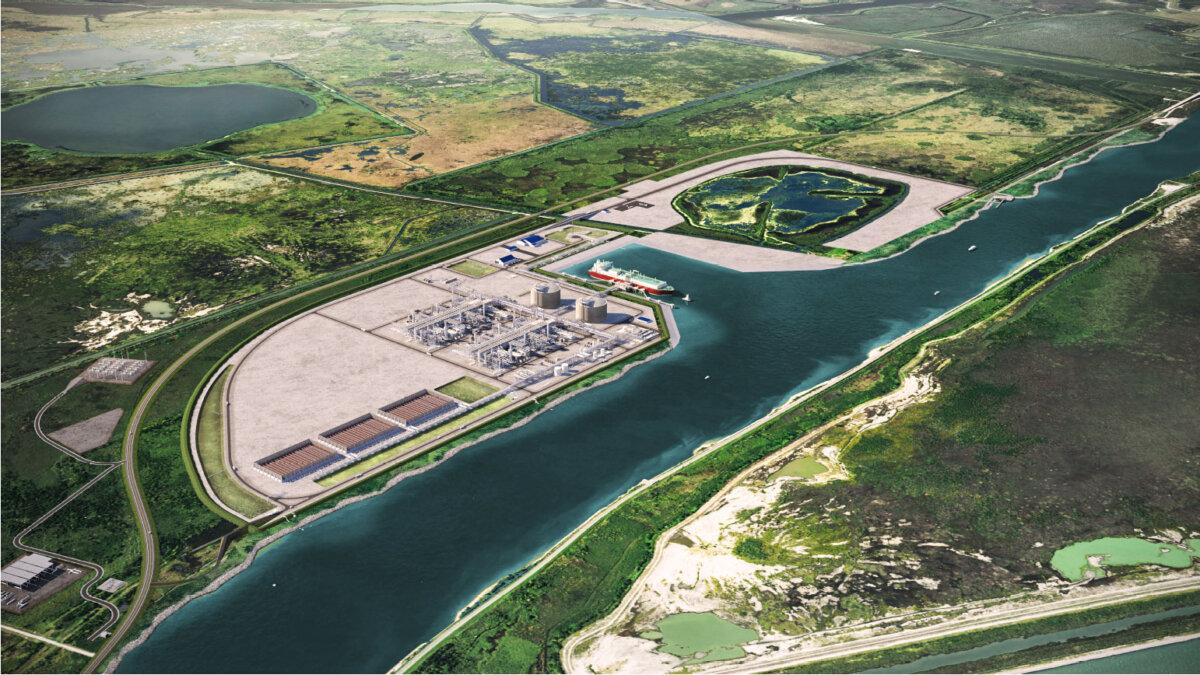
Exports from the West Texas region have more than doubled in the past five years, according to the report.
The rise in exports was made possible by the construction of additional pipelines into central and southwestern Mexico over the past few years.
“Absolutely, the ability is there,” Foreman told Todd Staples, the association’s president. “We’ve continued to exceed expectations.”
The state has also been able to store natural gas, he added.
Texas has room to expand exports in the future to 45 billion cubic feet per day through existing and planned pipeline infrastructure, Foreman said. About half of the pipelines are still under construction.
“It’s going all over,” he said.
Mexico also plans to continue to expand its domestic pipeline network to meet growing needs, EIA reported.
At the same time, the country is also looking to reduce its reliance on U.S.-sourced natural gas over the next five years by expanding domestic output.
According to Sheinbaum, the country is working to create options to expand domestic output while also using more environmentally friendly extraction.