The U.S. military has approved exceptions that again require flu vaccinations for some service members, coming two months after Secretary of War Pete Hegseth announced a new policy making them voluntary.
More than 220 recruits at Joint Base San Antonio-Lackland in Texas have been diagnosed with influenza this month, with four having been hospitalized.
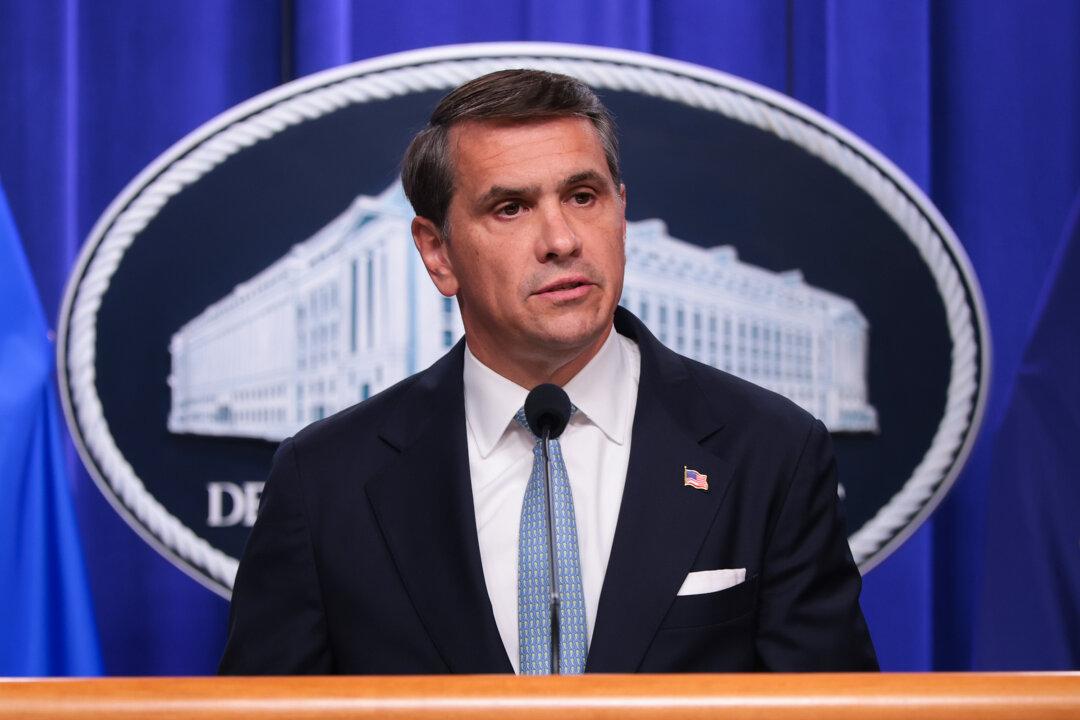
On June 24, chief Pentagon spokesperson Sean Parnell revealed that the undersecretary for war personnel and readiness had approved exception requests from numerous organizations.
“The decisions were based upon thorough risk assessments and are designed to maximize operational readiness, lethality, and force generation, while safeguarding at-risk populations,” Parnell said.
The exceptions apply to the Army, Navy, Air Force, National Security Agency, and Defense Health Agency. Each department or agency will decide how to implement the new requirements for its own personnel and missions, Parnell said.
In April, Hegseth ordered that the annual flu vaccine would be optional for all U.S. military personnel under a new Pentagon vaccine policy. The shot had previously been required on the basis that it supported overall troop preparedness and force health.

“The notion that a flu vaccine must be mandatory for every service member, everywhere, in every circumstance, at all times, is just overly broad and not rational,” the secretary said. “Our new policy is simple: If you, an American warrior entrusted to defend this nation, believe that the flu vaccine is in your best interest, then you are free to take it; you should. But we will not force you.”
“The data support a more focused schedule that protects children from the most serious infectious diseases while improving clarity, adherence, and public confidence,” acting Centers for Disease Control and Prevention Director Jim O'Neill said in a Jan. 5 statement.