The Trump administration has signed a new binational agreement with Mexico, advancing efforts to solve a decades-long sewage crisis plaguing residents both north and south of the transnational Tijuana River.
Under the new agreement, Mexico will develop a water infrastructure plan for Tijuana within six months, create plans to ensure the proper operation and maintenance of critical systems, and determine the feasibility of a new ocean outfall for the San Antonio de los Buenos Wastewater Treatment Plant, as well as expand the plant’s capacity by at least 25 million gallons per day (MGD).
The plant is currently operational after being shut down because of long-term disrepair from 2015 until early 2025. It currently has a capacity of 18 MGD, or about 800 liters per second, but receives 40–45 MGD, leading to sewage overflows, according to the EPA.
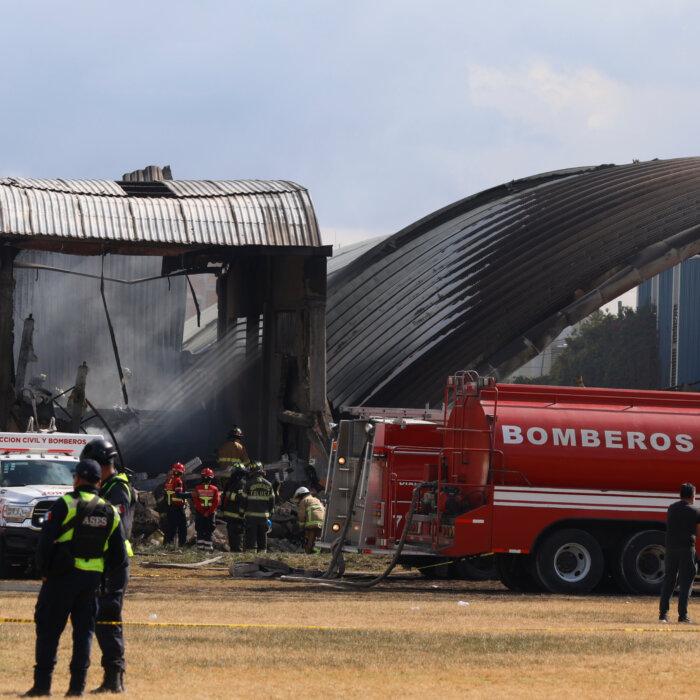

Other actions include Mexico’s agreement to construct a sediment basin near the international boundary at Matadero Canyon, also known as Smuggler’s Gulch, before the 2026–2027 rainy season, and a Tecolote-La Gloria Wastewater Treatment Plant in Tijuana, which is five miles south of the U.S.–Mexico border, by December 2028. The plant will have a capacity of 3 MGD and treat wastewater that is currently flowing untreated into the Pacific Ocean in Mexico, causing pollution issues on both sides of the border.
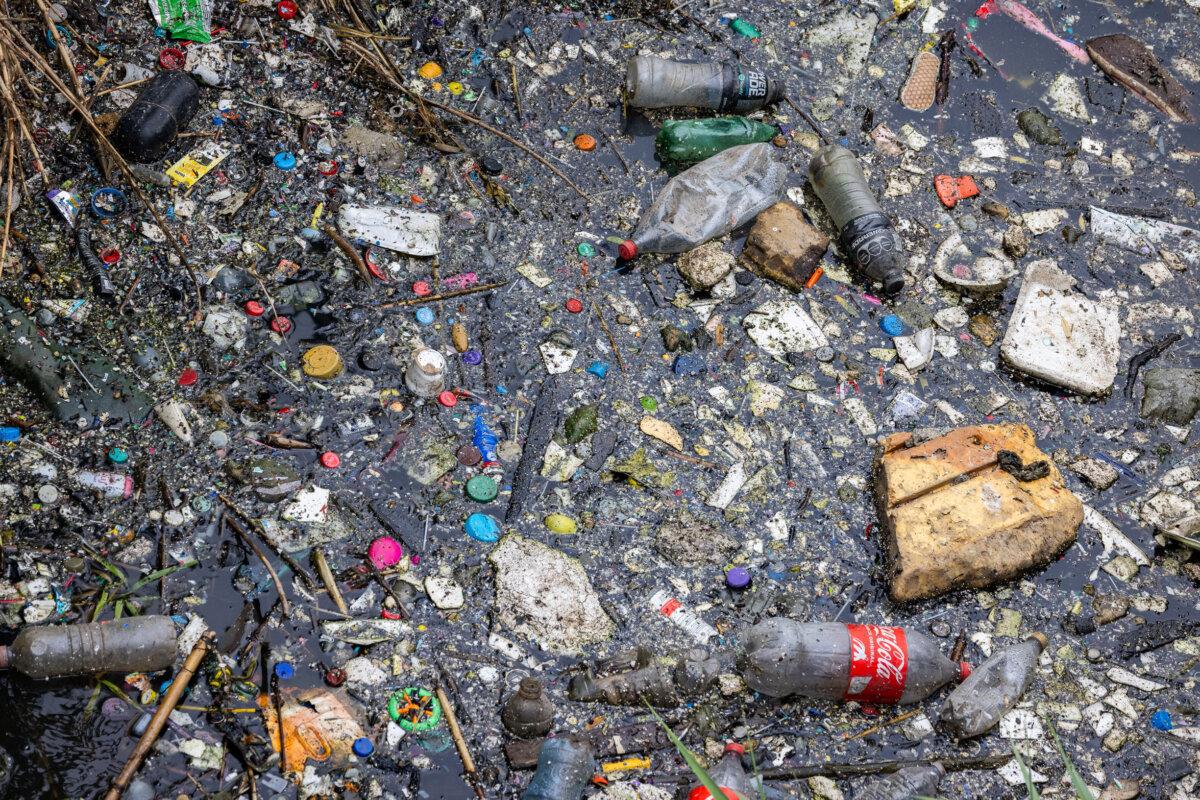
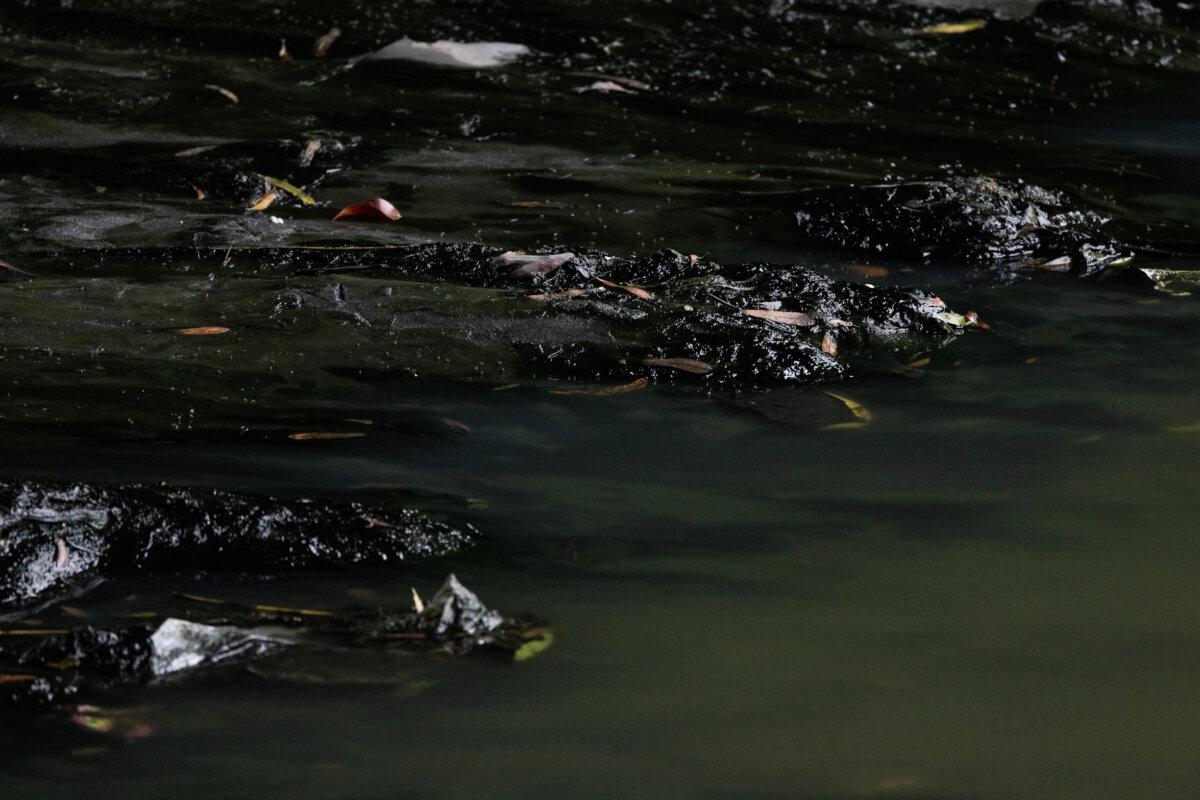
Across the region, deterioration of Tijuana’s water treatment infrastructure, compounded by the city’s fast-growing population, has created a health crisis in recent years. In 2015, Mexico’s San Antonio de los Buenos Wastewater Treatment Facility broke down, which led to the daily release of millions of gallons of untreated sewage, trash, and industrial waste into the Tijuana River.
“It should be noted that the United States will assume shared financial responsibility, through the North American Development Bank (NADB), to ensure the operation and maintenance of the infrastructure on the Mexican side and to prevent its deterioration over time.”
According to the EPA, Minute 333 does not obligate “any additional U.S. taxpayer funding, including for Mexican-side projects.” U.S. funds to the NADB for the Border Water Infrastructure Program are appropriated by Congress every year and are contingent on confirmation that Mexico’s projects—as outlined in the minutes—are on schedule to complete construction.
EPA Administrator Lee Zeldin said that Minute 333 sets the “framework for tremendous steps to be made” and that his agency looks forward to “very quickly hitting the ground running to implement the mutually agreed upon actions.”
“I saw the frustration of San Diego area residents firsthand when I visited in April,” he said. “I promised them a 100 percent solution to this issue, and the Trump EPA is doing its part to deliver.”