
The first production facility for sterile flies in the United States is slated to open by the end of 2027, U.S. Department of Agriculture (USDA) Secretary Brooke Rollins said on Feb. 9.
“That facility, the big facility, will be open ... by the end of next year,” Rollins said at a briefing with Texas Gov. Greg Abbott.
The new facility will be able to produce up to 300 million sterile flies per week, according to the USDA.
The United States currently produces 100 million flies every week at a facility in Panama and has been distributing them in Mexico and Texas from a facility in Tampico, Mexico.
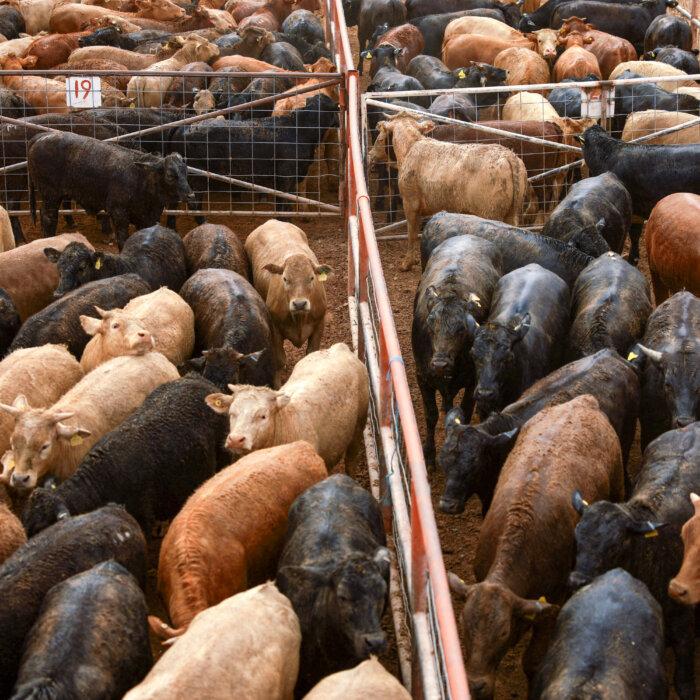
Boosting the number of sterile flies is a key prong of a strategy to keep the pest, which primarily targets animals, out of the United States, officials say.

Female New World screwworm flies only mate once, so if they mate with a sterile male, they are unable to lay eggs that hatch.
Other steps have included halting imports of livestock through the southern border.
Rollins and Abbott held a press conference to announce the completion of a new sterile fly dispersal facility in Edinburgh, which better positions the United States to disperse the flies.
“This facility will be a critical part of our overall efforts to combat the New World screwworm, allowing USDA to disperse sterile flies more readily in northern Mexico and here in the southern United States,” Rollins said.
“America is no longer going to count on other countries coming to our rescue,” Abbott said. “Instead, America is going to take care of ourselves, including dealing with the approach of the screwworm as it gets closer to our border.”
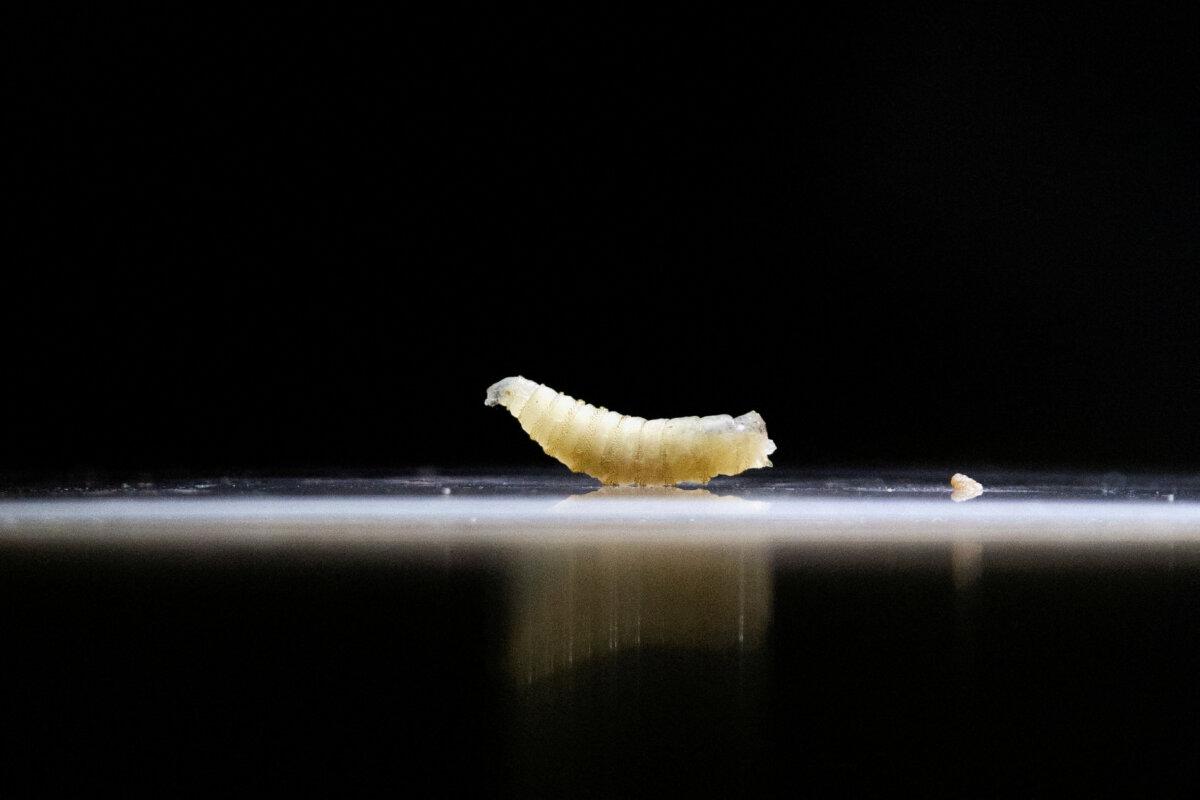
New World screwworm was inside the United States for decades, since at least 1842, but government efforts eradicated the pest in the country in the 1960s. U.S. and Mexico officials later successfully eradicated the screwworm from Mexico.
A barrier along the border of Panama and Colombia prevented the reintroduction of the screwworm, but it was recently breached. Rollins said the breach happened because of illegal immigration, which skyrocketed from 2021 through early 2025.