U.S. fighter jets were scrambled for a third time in less than a week on Aug. 24 to intercept Russian military planes flying near Alaska, the North American Aerospace Defense Command (NORAD) said in a statement.
In response, NORAD scrambled an E-3, two F-16s, and two KC-135 tankers to intercept and identify the Russian plane in the Alaskan zone, the statement reads. The statement does not provide other details on exactly where the encounter occurred.
“The Russian military aircraft remained in international airspace and did not enter American or Canadian sovereign airspace,” NORAD stated. “This Russian activity in the Alaskan ADIZ occurs regularly and is not seen as a threat.
“[An identification zone starts] where sovereign airspace ends and is a defined stretch of international airspace that requires the ready identification of all aircraft in the interest of national security.”
Over the past week, NORAD dispatched military planes twice to respond to Russian IL-20 aircraft operating in the ADIZ. In no instances did the Russian aircraft enter U.S. airspace.
“NORAD employs a layered defense network of satellites, ground-based and airborne radars and fighter aircraft to detect and track aircraft and inform appropriate actions,” the command stated.
NORAD, which is jointly operated by the U.S. and Canadian militaries, also “remains ready to employ a number of response options in defense of North America,” the statement reads.
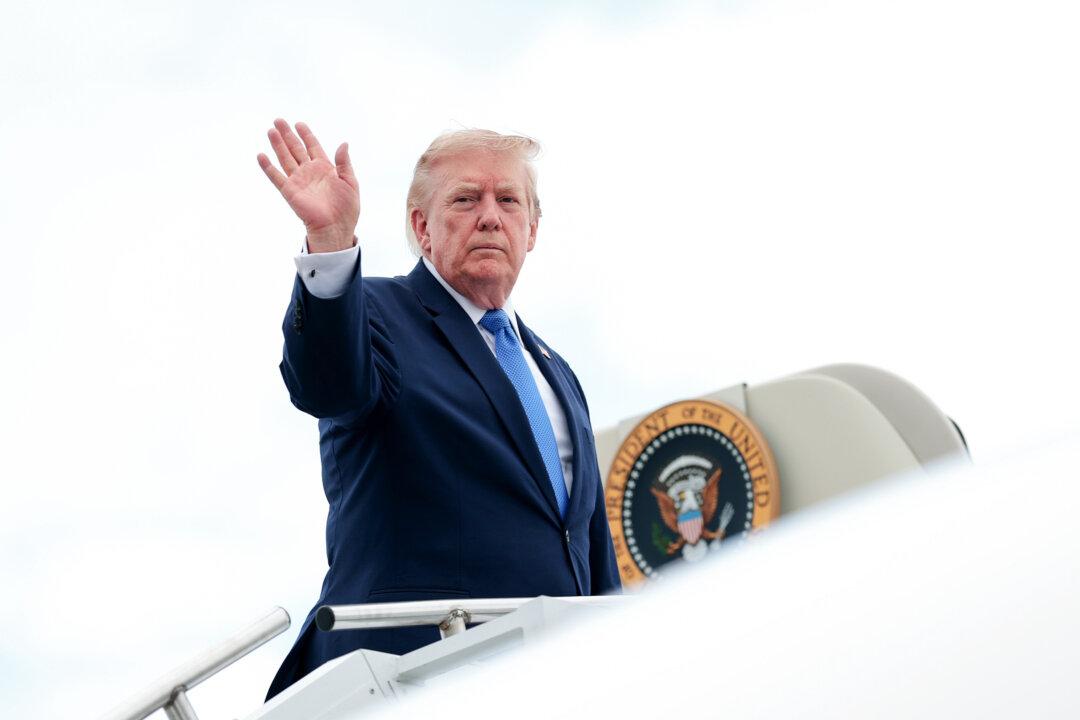
The recent encounter comes a week after U.S. President Donald Trump held a meeting with Russian President Vladimir Putin in Anchorage, Alaska, to hash out a peace deal to end Russia’s conflict in Ukraine.
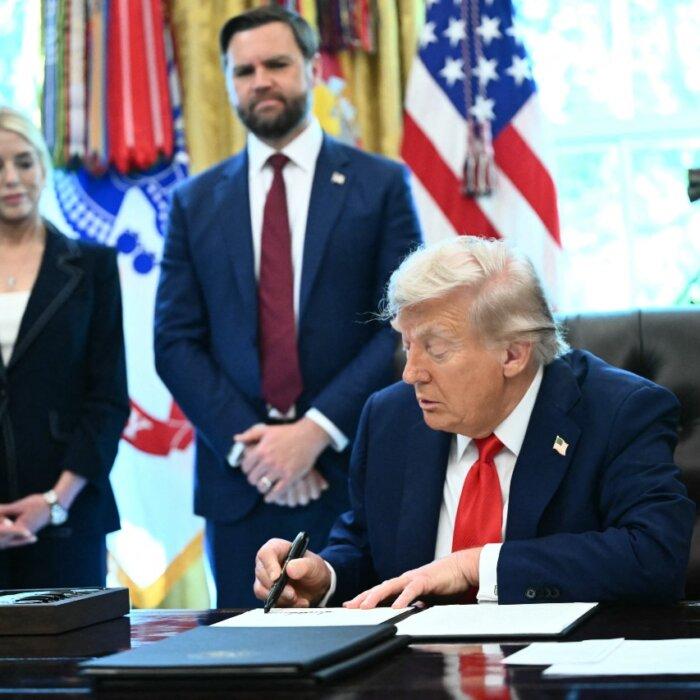
On Aug. 24, U.S. Vice President JD Vance said Russia has made “significant concessions” toward a negotiated settlement in its war with Ukraine and that he is confident that progress is being made.
He also said Russia has “recognized that [it is] not going to be able to install a puppet regime in Kyiv.”
“That was, of course, a major demand at the beginning,” Vance said. “And importantly, they’ve acknowledged that there is going to be some security guarantee to the territorial integrity of Ukraine.”