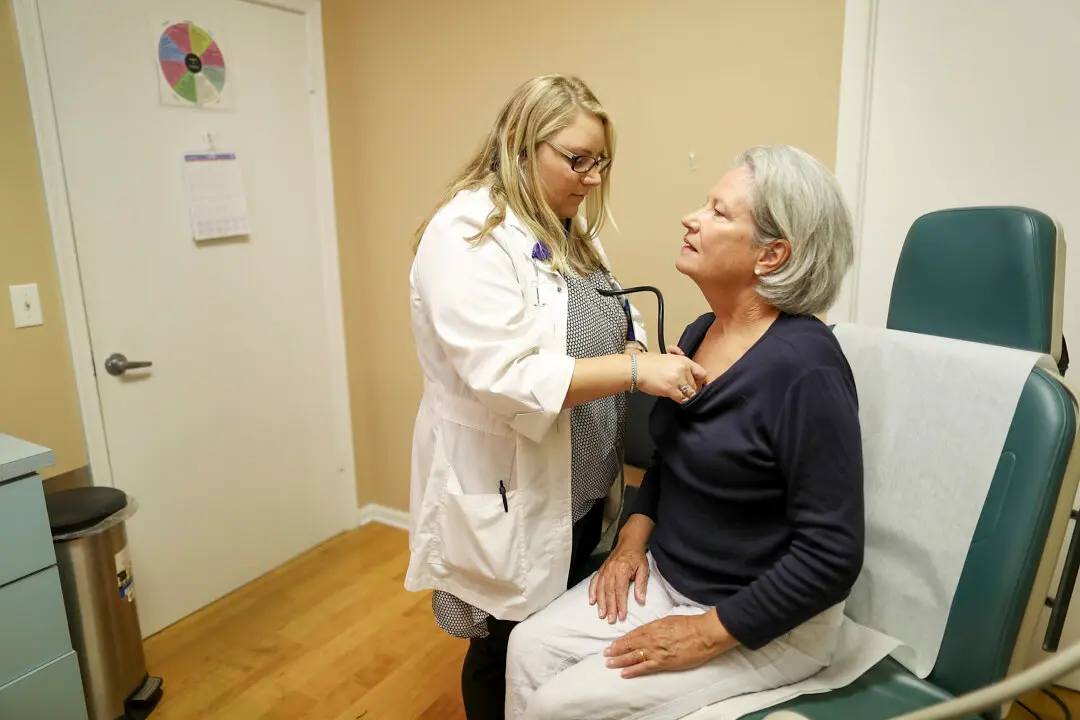
The Department of Health and Human Services (HHS) said on Aug. 13 it is making a “historic” $102 million investment to establish new healthcare centers to meet the rising medical needs of Americans.
The funding, provided through the Health Resources and Services Administration (HRSA), will be disbursed as grants to expand HRSA’s Health Center Program. The health centers established under the program provide medical, mental health, dental, substance use disorder treatment, and other services to people.
The $102 million in funding will support 158 new and existing health centers to set up 415 new sites, HHS said.
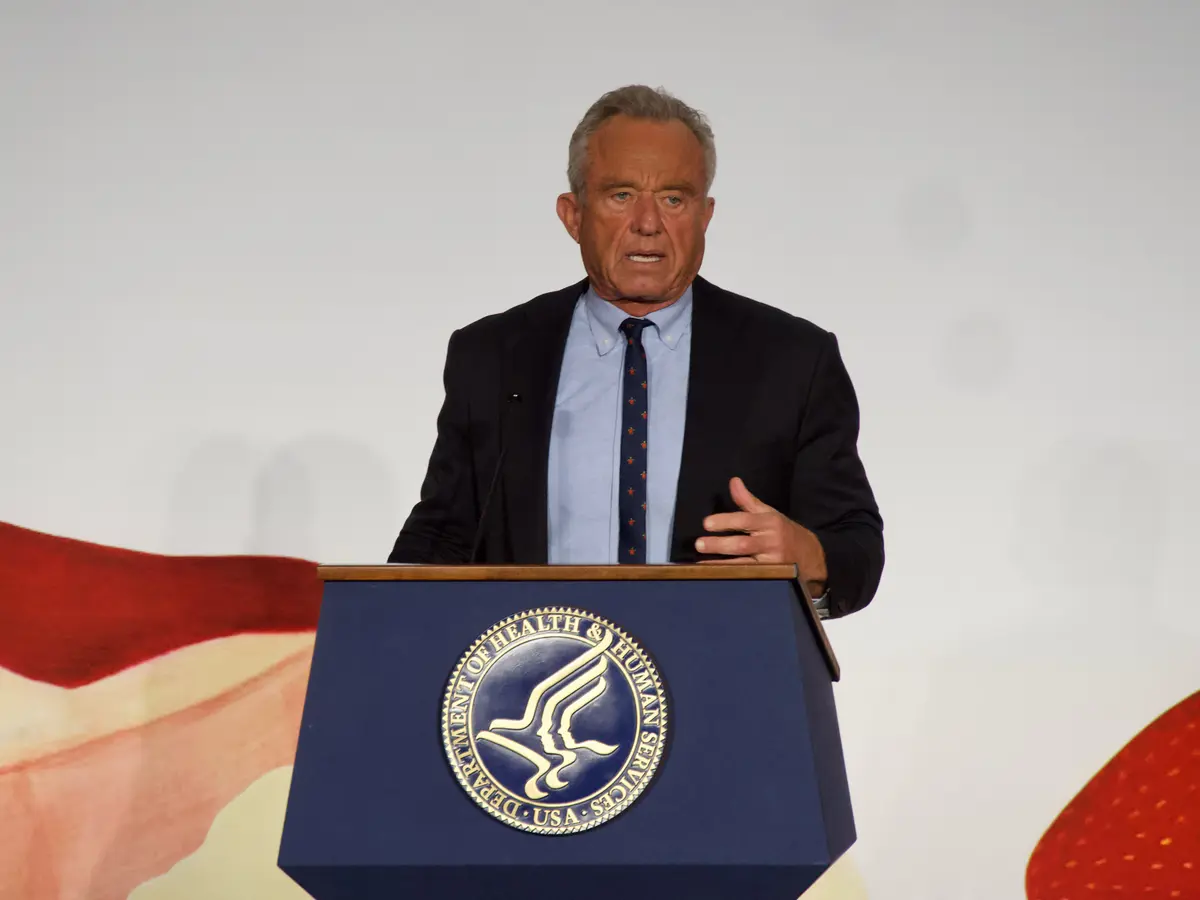
“Strong primary care prevents disease and gives Americans greater control over their health,” Health Secretary Robert F. Kennedy Jr. said in the statement. “This $102 million investment will bring high-quality care to nearly one million more Americans, expand prevention and nutrition services, and help communities tackle chronic disease at its roots. We are giving more Americans the tools to live healthier lives and Make America Healthy Again.”
The funding is the first major expansion of the Health Center Program since the first term of the Trump administration.
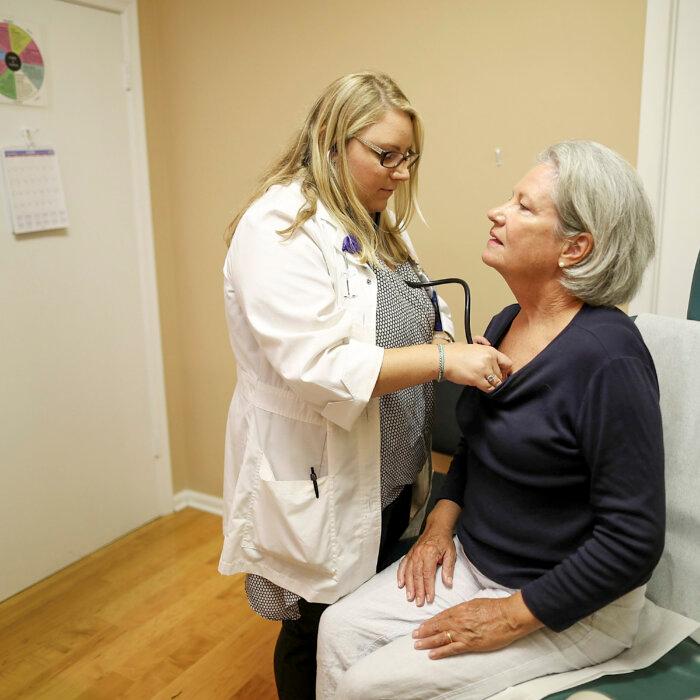
HRSA-funded health centers offer comprehensive primary care to more than 32 million people through more than 16,000 service sites across the United States. It serves one out of five rural residents, one in 15 adults aged 65 and above, and one in eight children.

In addition to the funding, HRSA is developing a platform that will enable health centers to find American-made products, HHS said.
According to HRSA data, last year, around 90 percent of patients treated at HRSA-funded health centers had incomes at or below 200 percent of the federal poverty level.
“Health center patients have better outcomes at lower cost. This is true even though health centers treat people who are sicker and have lower income,” HRSA said.
In 2025, health centers ensured that more than 3.9 million patients had controlled hypertension, screened around 2.1 million patients for breast cancer and 4.6 million for cervical cancer, and provided mental health services to 3.1 million individuals.
Over the past year, between July 2025 and July 2026, the 12-month medical care service inflation rate remained between 2.7 and 4.3 percent every month, according to data from the Bureau of Labor Statistics.
In an April 2026 advisory, the American Heart Association (AHA) raised concerns about the “growing health care affordability crisis” facing the United States.
Healthcare spending is rising due to factors such as high prices for services and drugs, underinvestment in primary care and public health, and growing administrative complexity, the AHA said.
In 2024, health expenditures nationwide totaled $5.3 trillion, or $15,474 per person, according to the nonprofit organization.
“Patients, even those with insurance, frequently face financial hardship, delayed or foregone care, and medical debt because of gaps in coverage and inadequate consumer protections,” the advisory said.
The recently announced $102 million funding will expand access to “affordable, high-quality primary care in communities across the country,” HRSA Administrator Tom Engels said in the statement. This is expected to help more Americans avoid chronic disease and improve their health.
In an Aug. 3 statement, HHS announced that HRSA health centers served 32.7 million patients in 2025, the highest in the 61-year history of the Health Center Program, and more than 350,000 more patients than in 2024.
Rural communities saw the highest growth in patient numbers last year, with health centers serving an additional 308,000 rural patients, according to HHS.
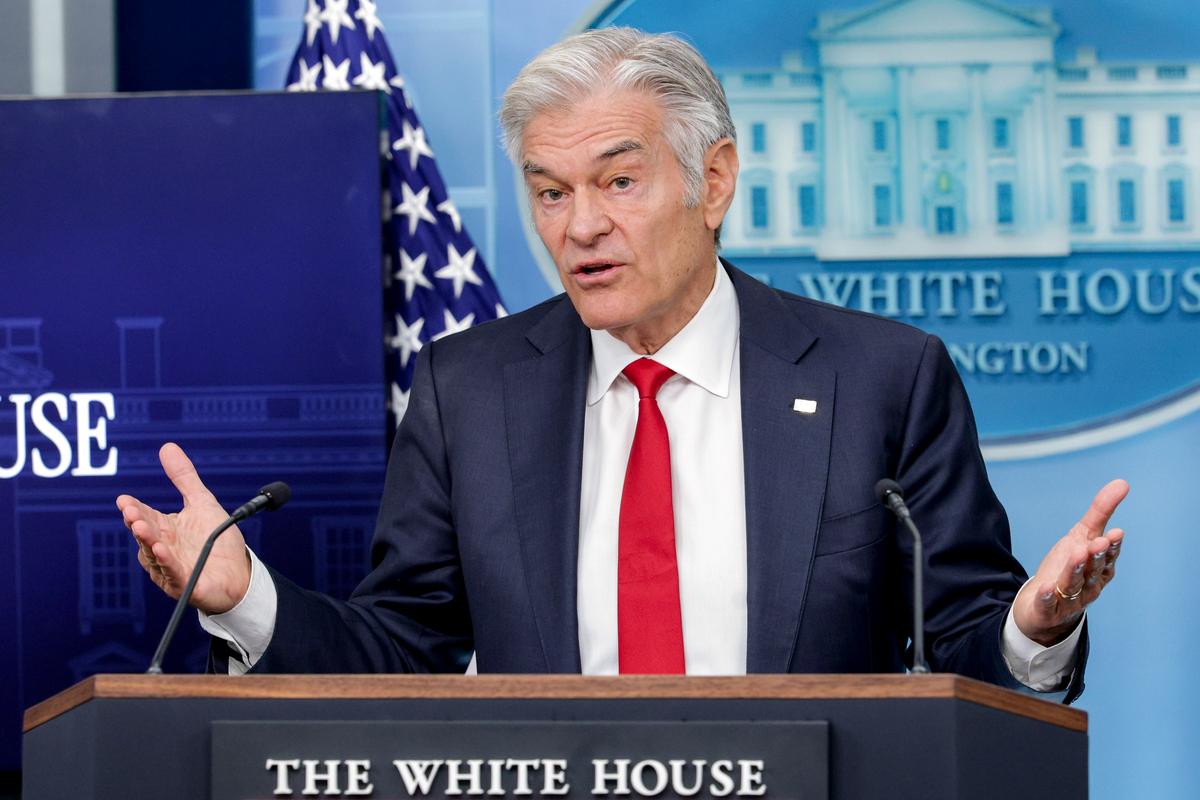
On Dec. 29, Centers for Medicare and Medicaid Services Administrator Dr. Mehmet Oz told reporters that the investments aim to reverse the decline in rural health metrics.
“The purpose of this $50 billion investment in rural health care is not to pay off bills,” Oz said at the time. “The purpose of this $50 billion investment is to allow us to right-size the system and to deal with the fundamental hindrances of improvement in rural health care.”