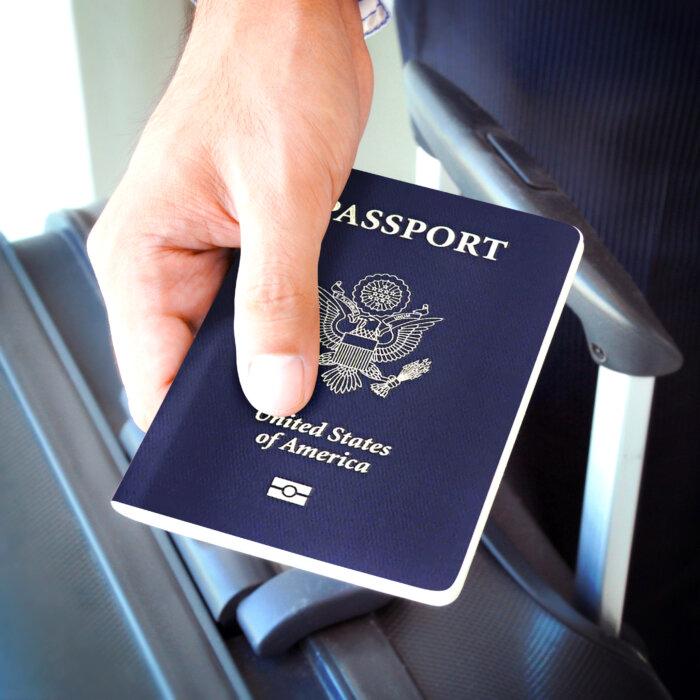
The Department of State has lowered the fee it charges for formally renouncing U.S. citizenship by 80 percent, reducing the cost from $2,350 to $450.
“The Department concludes that a fee of $450, although only a fraction of the cost of providing the service, balances the need for the U.S. government to recoup at least some of its costs with the objective of charging a fee that does not deter individuals from seeking CLN [Certificate of Loss of Nationality] services” the department said in a final rule in the Federal Register published on March 13.
The new fees go into effect on April 13. They apply to U.S. citizens and noncitizen nationals who want to obtain a CLN by renouncing citizenship through an oath before a consular officer abroad or through other expatriating acts under federal law.
“This action is being taken to help alleviate the cost burden for those individuals who decide to request CLN services by returning to the below-cost fee that was in place from 2010-2014,” the department said.
Before 2010, no fee was charged.
The fee, paid by the applicant to the U.S. Treasury, does not go to the consular affairs budget. Instead, it goes toward the intricate review process, beginning when an American contacts an embassy or consulate.
Applicants go through two interviews with consular officers to ensure the decision is voluntary and informed. After taking an oath of renunciation, an applicant’s case is reviewed in Washington before the certificate is issued, and copies are sent to other agencies.
‘Double Taxation’ Complaints
Public comments and complaints from Americans living overseas prompted the change, with the Federal Registrar saying complaints about “double taxation” by U.S. citizens living abroad were the main reason, along with other issues.“In addition to frustration with the U.S. system of worldwide taxation (referred to as ‘double taxation’ by many commenters), commenters took particular issue with the Foreign Account Tax Compliance Act (FATCA), stating it has made it difficult for them to invest in exchange-traded funds (ETFs) or mutual funds, obtain a mortgage, or open a bank account in their countries of residence,” the registrar said.
Many Americans abroad cited issues with FATCA, which imposes reporting requirements on foreign financial institutions holding accounts for U.S. nationals.
“In lowering the fee from $2,350 to $450, the Department has made a policy determination not to recover its full costs in response to concerns expressed by U.S. citizens residing overseas who seek to renounce their U.S. citizenship, but believe the current fee is prohibitively high or otherwise is unfair,” the rule explained.
The department proposed the fee decrease in an October 2023 notice and completed it after the public input process. Officials estimate approximately 4,661 applications per year, with annual revenues expected to fall by about $8.86 million compared with the higher fee.