While the year-to-date deficit number is higher this year, August’s deficit narrowed to $345 billion, down $35 billion—or 9 percent—from the same month a year earlier.
The Treasury said receipts rose by $38 billion, or 12 percent, to $344 billion, while outlays edged up by just $2 billion to $689 billion. Both revenues and spending hit record highs for the month.
The deficit increase was driven largely by structural spending, with Social Security outlays up $111 billion from a year earlier, net interest on the debt higher by $90 billion, and defense spending climbing $43 billion, Treasury figures show.
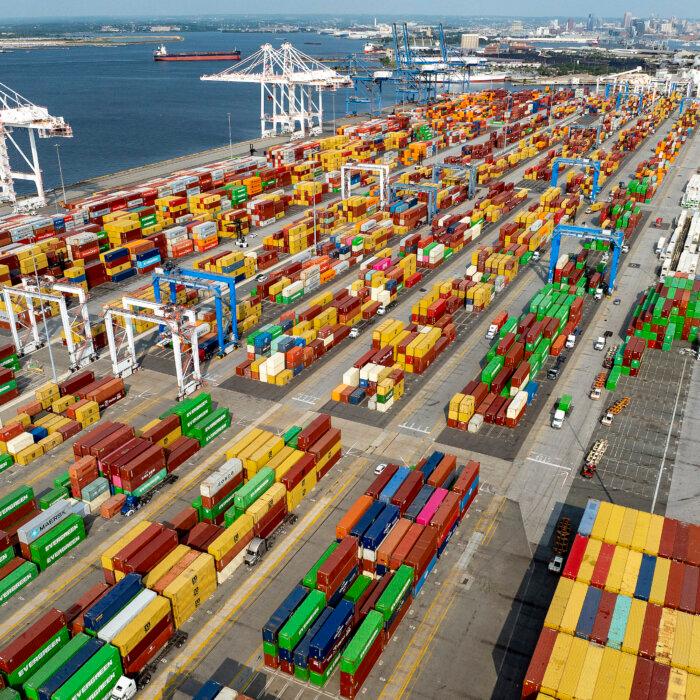
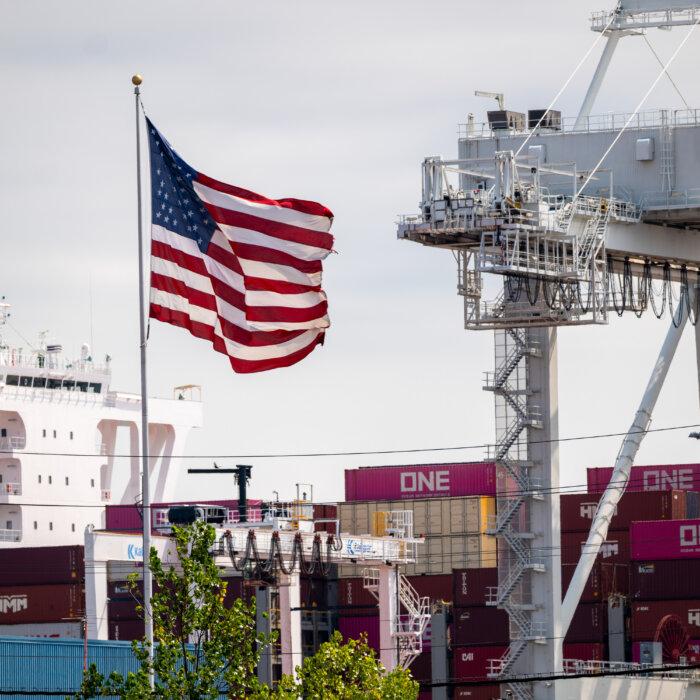
Driving the improvement on the revenue side was a surge in tariff collections, which climbed by $22.5 billion in August from the prior year, pushing net customs receipts to a record $29.5 billion. That marked the highest monthly take ever from tariffs and brought total tariff revenues for fiscal 2025 to $165 billion, up from $86 billion over the same period last year.
The Commerce Department credited President Donald Trump’s trade deals for boosting tariff revenues and encouraging domestic production.
“Tariffs are bringing in $40 billion a month, bringing down our deficit,” he told CNBC, predicting annualized revenue of up to $700 billion and potentially $1 trillion as the economy grows.
Lutnick said that foreign governments are absorbing the bulk of tariffs above 15 percent to shield their exporters, particularly in sectors such as autos.
“China is paying an average tariff of 52 percent. But the government of China is eating most of it,” he said.
He added that when duties fall below 10 percent, the burden is typically borne by manufacturers, distributors, and businesses—with U.S. consumers largely insulated.
“The consumer doesn’t pay because the seller doesn’t want to raise prices,” he said.
Lutnick pointed to recent arrangements with Japan and the European Union (EU) as an example. He said Japan, which has little demand for American cars, instead agreed to invest $550 billion in U.S. projects of Trump’s choosing, while the EU lifted tariffs on American vehicles.
That ruling, which would block a large portion of the tariffs, is set to take effect Oct. 14 unless the Supreme Court overturns it.