The current account is a summary of the nation’s balance of payments, tracking the movement of goods, services, and capital between the United States and the rest of the world. A deficit occurs when the United States imports more goods and services than it exports, indicating that more money is flowing out of the country.
In the second quarter, the current account deficit plunged by $188.5 billion, or 43 percent, to $251.3 billion, from the all-time high of $439.8 billion registered in the first three months of the year.
This came in below the market consensus of $256.3 billion.
The second-quarter gap represented 3.3 percent of current-dollar gross domestic product, down from 5.9 percent posted in the January–March period.
Officials say the reduction was driven mainly by a decline in the goods deficit.
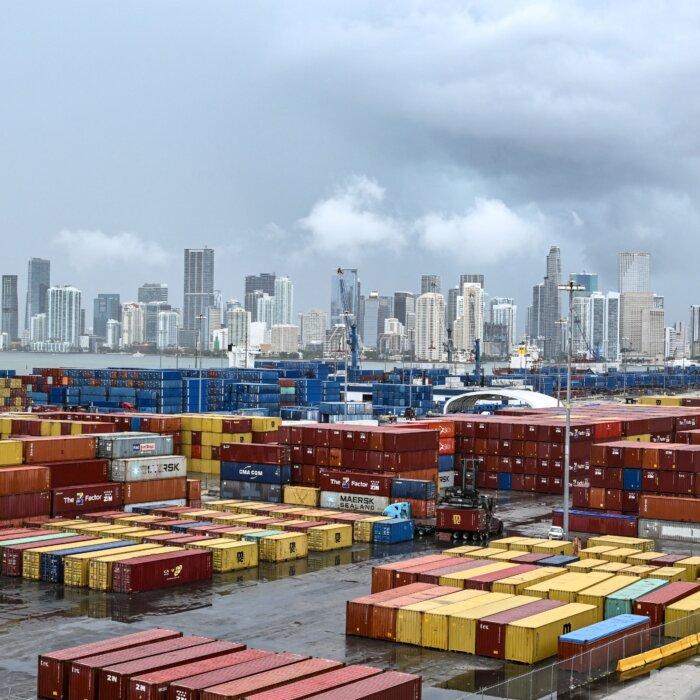
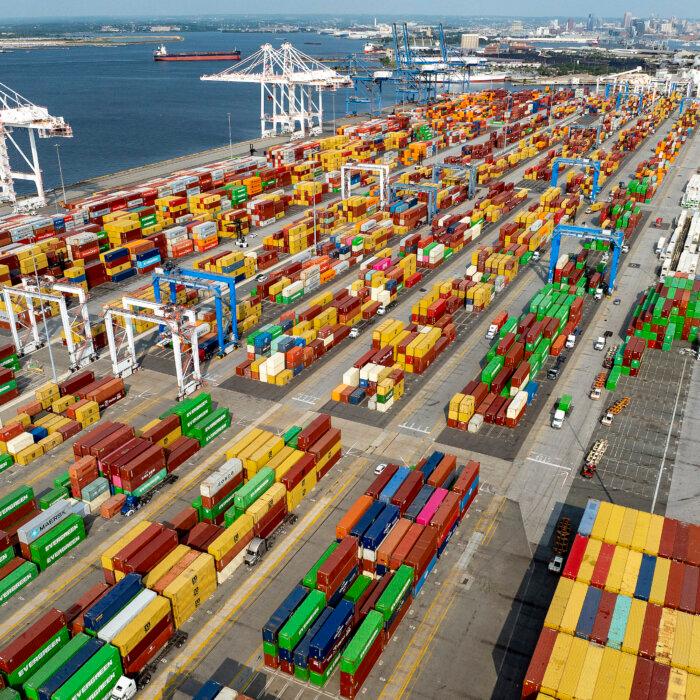
Imports of goods decreased by $184.5 billion, to $820.2 billion, primarily due to a decline in purchases of consumer goods, industrial supplies and materials, and non-monetary gold.
Services imports rose by $2.8 billion, to $222 billion, driven by broad-based increases across various sectors, such as business, computer, information, and telecommunications services.
Goods exports, meanwhile, surged by $11.3 billion, to $550.2 billion. Shipments of services ticked up by $2.1 billion, to $301.6 billion.
Winds of Change in Global Trade
President Donald Trump’s sectoral and reciprocal tariffs over the past several months have significantly disrupted international trade.The current administration is aiming to make the United States a leading manufacturer in a diverse array of industries, from automobiles to semiconductors. During this shift, the rest of the world, particularly China, would become a top consumer of American-made goods.
A series of trade agreements with other countries features provisions that allow foreign nations to invest billions of dollars in U.S. manufacturing and purchase American products. In exchange, these arrangements have resulted in lower tariff rates on impacted markets.
Scores of domestic and foreign companies have also committed to investing trillions in U.S. manufacturing.
While many of the president’s levies have been implemented, Trump has stated that he plans to introduce or expand tariffs on other industries, including furniture, pharmaceuticals, and semiconductors.
Still, with much of the administration’s trade policies in place, industry observers say that import cargo volume could start to slow in the coming months as firms have stocked up as much as they could ahead of the levies.
“Tariffs have had a significant impact on trade,” Hackett Associates founder Ben Hackett said in the report. “The trade outlook for the final months of the year is not optimistic.”
The federal government has also generated substantial revenues from Trump’s tariffs.