This copy is for your personal, non-commercial use only. Distribution and use of this material are governed by our Subscriber Agreement and by copyright law. For non-personal use or to order multiple copies, please contact The Epoch Times Reprints.
Ukrainian Delegation Visits Washington, Meets With US Envoy Keith Kellogg
Discussions centered on battlefield developments, calls for stronger sanctions, appeals for military aid, and efforts to repatriate abducted Ukrainian children.
U.S. special envoy for Ukraine and Russia, Lt. Gen. Keith Kellogg, attends the Munich Security Conference in Germany on Feb. 15, 2025. Boris Roessler/Reuters
A Ukrainian delegation led by Andriy Yermak, head of Ukraine President Volodymyr Zelenskyy’s office, arrived in Washington on June 3 and met with retired Gen. Keith Kellogg, the U.S. Special Representative for Ukraine and Russia, according to Yermak.
“We discussed the situation on the front lines, the outcomes of the meetings in Istanbul, the importance of strengthening sanctions against Russia, and defense assistance to Ukraine,” Yermak said in a Telegram post, which included a series of photographs of Kellogg and the Ukrainian delegates.
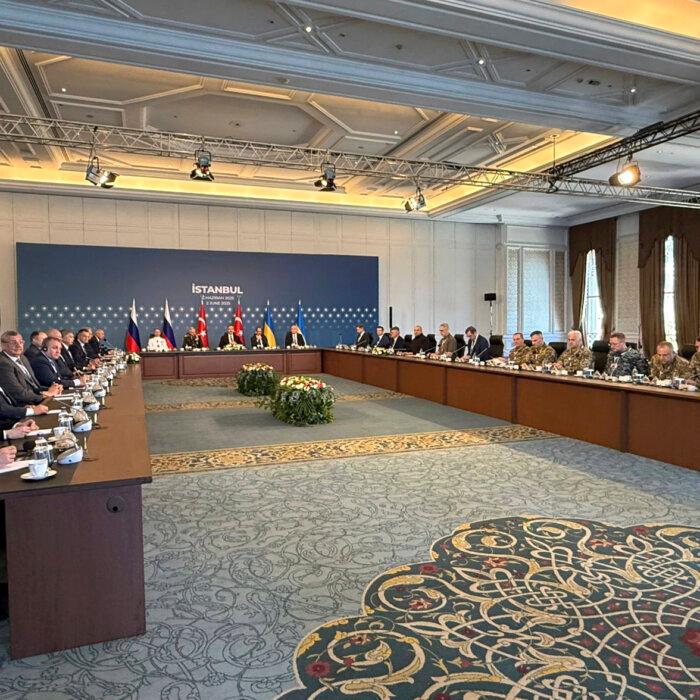
The visit came on the heels of the second round of peace talks between Ukrainian and Russian negotiators, held in Istanbul on June 2. The hour-long meeting resulted in an agreement on a new prisoner exchange but failed to yield progress toward a broader ceasefire.
In Washington on Tuesday, Yermak said the two sides also addressed the issue of Ukrainian children abducted by Russian forces.
“We have submitted lists to Russia and are awaiting a response—it is vital that these children are returned home. We appreciate the United States’ involvement in this crucial matter,” he added, according to a translation of his remarks.
Yermak accused Russia of deliberately avoiding a ceasefire and said Ukraine had exhausted all diplomatic avenues to end the war peacefully. “If Russia refuses to halt its aggression voluntarily, we are left with no choice but to carry out military operations and dismantle its warfighting capabilities by force,” he said. Yermak also expressed gratitude to President Donald Trump and the American people—along with both political parties—for their continued support.
The visit followed Zelenskyy’s comments to reporters in Kyiv on June 2, where he said Ukraine is seeking new defense agreements and a free trade deal with Washington, according to the Kyiv Independent. Zelenskyy also discussed the possibility of purchasing weapons—rather than relying on donations—with Trump, per the report. The Trump administration has yet to approve any new major military aid packages, and existing assistance from the Biden era is nearing exhaustion.
Ukrainian Defense Minister Rustem Umerov led Kyiv’s delegation at Monday’s peace talks in Istanbul, while Kremlin aide Vladimir Medinsky headed the Russian team. At a press conference following the talks, Umerov said Ukraine had submitted its conditions in advance, while Russia presented its demands on the day of the meeting, with Umerov adding that Kyiv needs a week or so to review Moscow’s position.
“We are insisting on a full and unconditional end to the killing now,” Umerov said, emphasizing that real peace negotiations must ultimately take place at the level of national leaders. He welcomed the involvement of foreign leaders in the process, including Trump’s efforts to broker a peace deal.
The talks came just days after a wave of drone attacks on Russian air bases that Ukraine claims inflicted major losses on Moscow’s strategic bomber fleet. The long-range strikes—conducted with smuggled commercial drones launched from trucks near the targets—hit multiple bases across different time zones, including one more than 2,500 miles from Ukraine. Kyiv has framed the attacks as a strategic blow to Russia’s nuclear delivery capability.
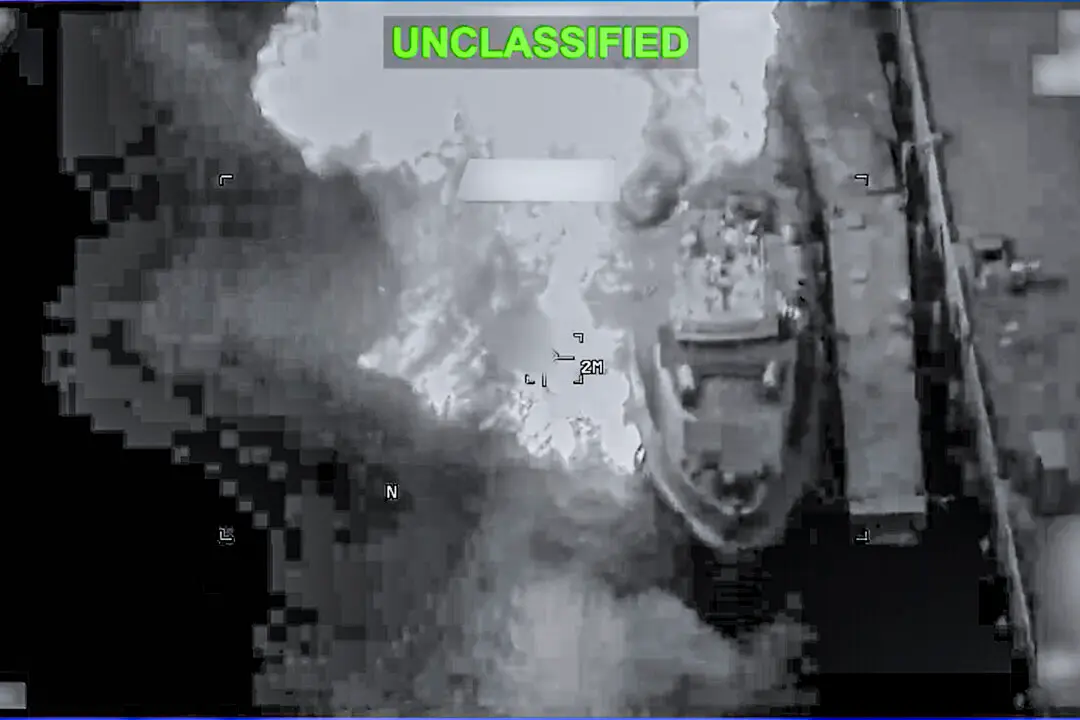
In a separate operation, Ukraine’s intelligence service said on June 3 that it had carried out an underwater strike that severely damaged the Kerch Bridge, which links Russia with Crimea, the Ukrainian peninsula that Moscow claims as its own.
Speaking on June 2, Zelenskyy said such losses could push Moscow toward the negotiating table. “Russia must feel what its losses mean. That is what will push it toward diplomacy,” he said.
The escalation followed Moscow’s continued refusal to meet Trump’s demand for immediate ceasefire talks. While Zelenskyy has endorsed Trump’s proposal, Russian President Vladimir Putin has instead issued shifting demands—chief among them, the surrender of four eastern Ukrainian regions.
Putin claims to have annexed the four territories—Donetsk, Kherson, Luhansk, and Zaporizhia—in 2022, but Russian forces have failed to fully capture them after more than three years of war. His position has drawn criticism from the Trump administration, with Vice President JD Vance recently telling European defense leaders that Putin is “asking for too much,” and later saying he believes the Russian leader lacks an exit strategy from the war.
Trump said on May 28 that he was giving Putin two weeks to prove he’s serious about ending the long-running conflict or face tougher action by Washington, including the possibility of more sanctions.
Tom Ozimek is a senior reporter for The Epoch Times. He has a broad background in journalism, deposit insurance, marketing and communications, and adult education.