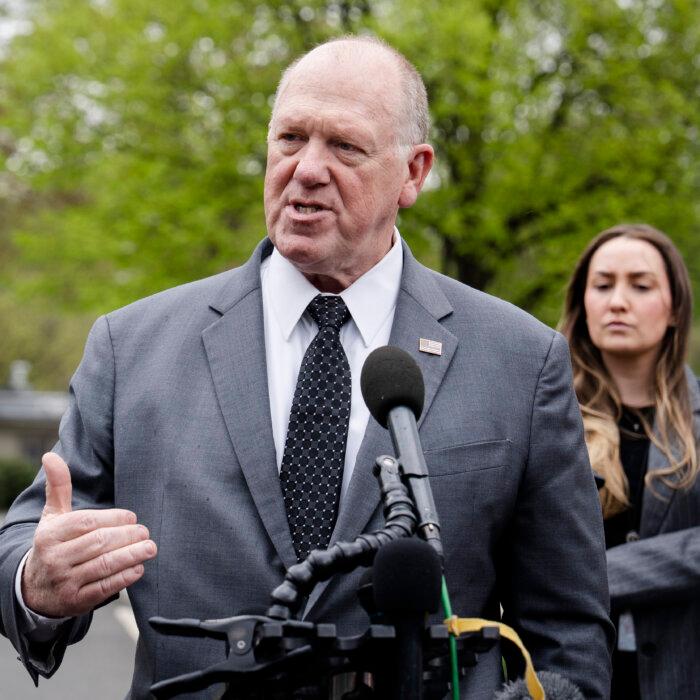
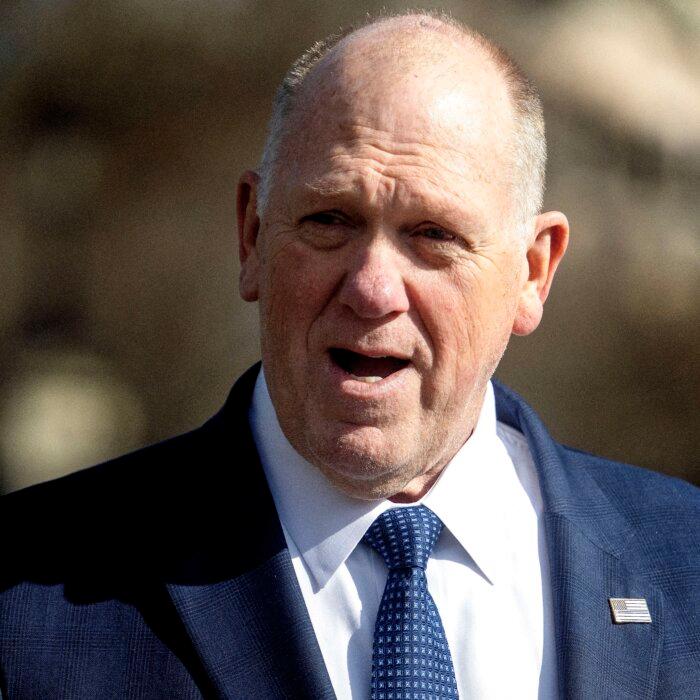
The Trump administration’s border czar, Tom Homan, revealed on Wednesday that he and his wife are living separately because of “death threats” against him.
“I see her as much as I can, but the death threats against me and my family are outrageous.”
While Homan did not go into the specifics of the threats, he noted that demonstrators appeared at his home in Sackets Harbor, New York, in April after the arrest of a woman who was in the United States illegally.
Earlier this month, protests and riots erupted in Los Angeles and several other cities over immigration raids carried out by Immigration and Customs Enforcement (ICE) in recent weeks.
At one point, President Donald Trump called in the National Guard and a battalion of Marines to secure federal offices and to deal with any potential unrest, which drew a lawsuit and criticism from top Democrats in California.
In the interview, Homan referred to the riots and protests, noting that it was in response to a criminal investigation into money laundering and other charges at a business in Los Angeles.
“We were serving three criminal arrest warrants ... it was a criminal investigation that happened to deal with money laundering, tax evasion, and customs fraud,” Homan said.
“We know that in the Garment District, there is strong suspicion that some of that funding is sent to Mexico and Colombia to fund cartel activity, so it was a criminal investigation.”
People on the political left “went nuts,” he said, adding that they believed that ICE was undertaking an immigration enforcement operation before the protests.
The enforcement activity came after top Trump administration adviser Stephen Miller announced an immigration enforcement crackdown in May. During the 2024 election, Trump vowed to carry out mass deportations and bolster efforts to prevent illegal immigrants from crossing the U.S.–Mexico border.
After he took office in January, Trump started an immigration enforcement campaign and declared an invasion, allowing for increased deportations. He also declared an emergency at the U.S.–Mexico border and deployed military assets there to prevent further border crossings.