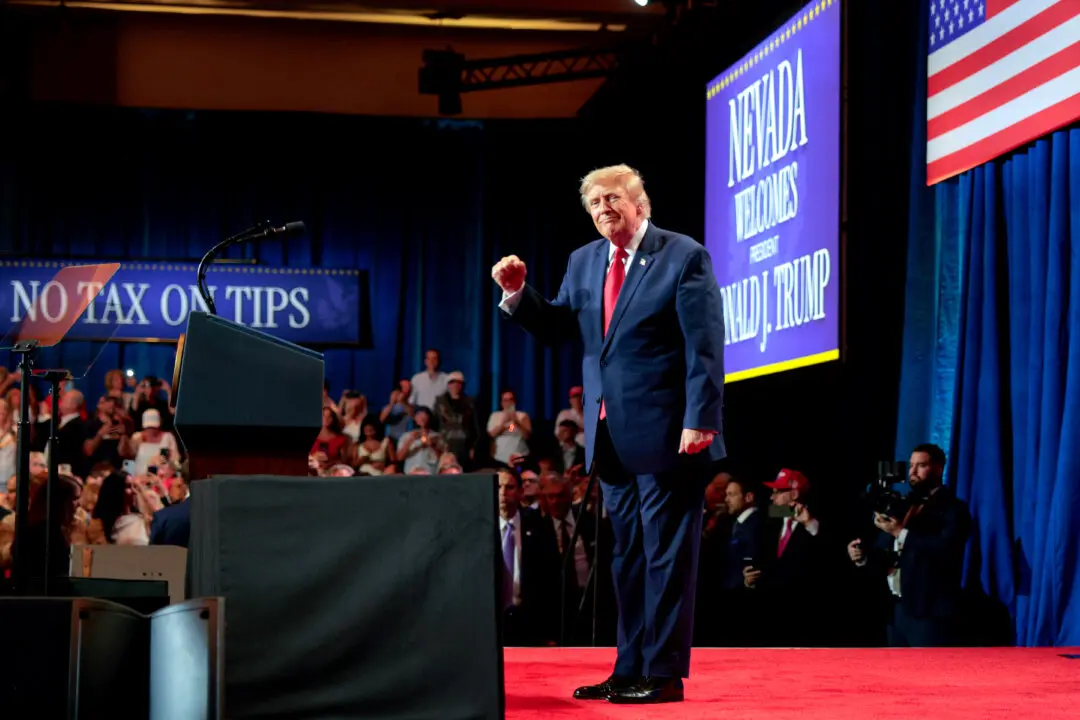
CLIVE, Iowa—President Donald Trump will visit a suburb of Des Moines, Iowa, on Jan. 27, a week after he celebrated the first anniversary of his second inauguration, to give a talk to supporters in a state that twice helped propel him to the presidency.
While in the state, the president will make a stop at a local business and then deliver a speech on affordability and the economy, White House press secretary Karoline Leavitt said. The remarks will be at the Horizon Events Center in Clive, a suburb of Des Moines. The trip will also highlight energy policy, White House chief of staff Susie Wiles said last week.
The speech comes amid controversy over the recent shootings of two 37-year-old U.S. citizens, Alex Pretti and Renee Good, by Immigration and Customs Enforcement officers in Minneapolis on Jan. 24 and Jan. 7, respectively.
Tensions escalated over the weekend in the city as protesters challenged federal agents on the street.
Protests are planned in Des Moines around the concert hall where Trump will speak, and law enforcement officials are blocking streets to prepare, with free-speech zones created to accommodate protests.

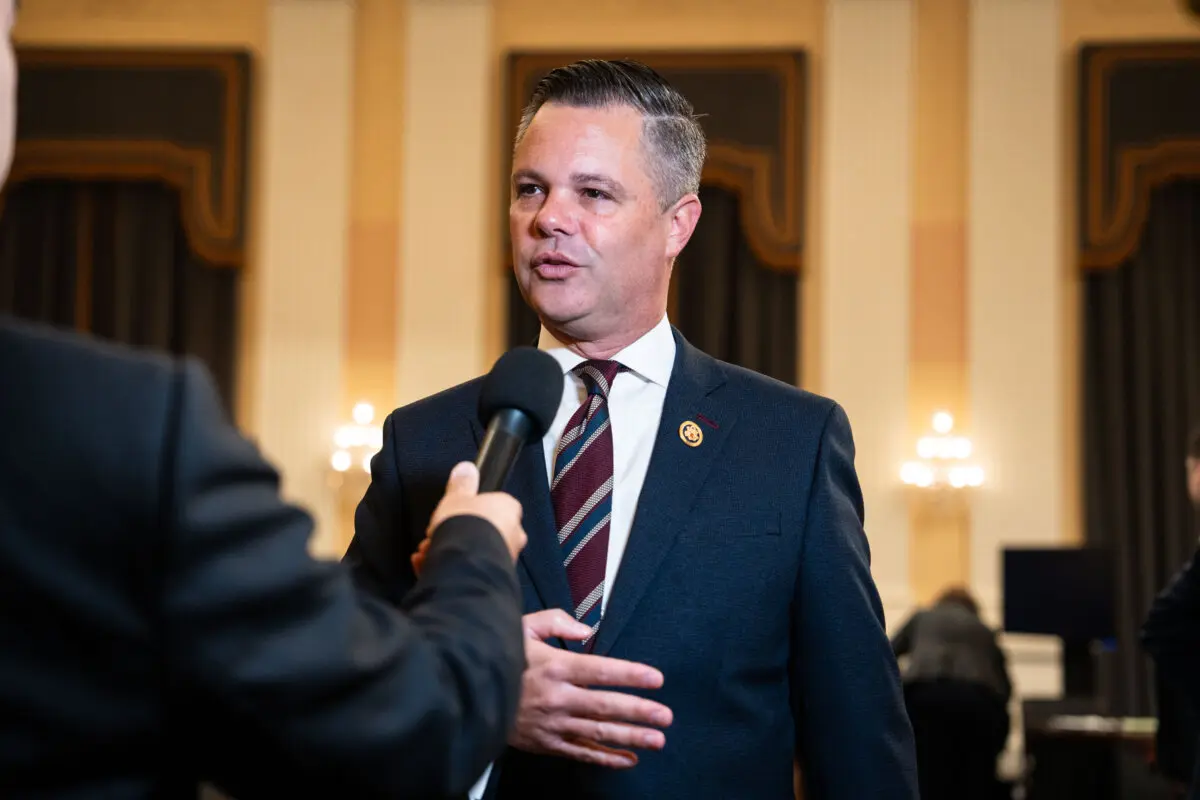
Rep. Zach Nunn (R-Iowa) said he invited the president to Iowa to highlight progress made in the state.
“Delivering tax relief for working families, securing the border, and growing our economy,” Nunn said ahead of the president’s visit. “Now we’ve got to keep that momentum going and pass my affordable housing bill, deliver for Iowa’s energy producers, and bring down costs for working families.”
The president’s Iowa stop follows similar engagements in Michigan, Pennsylvania, and North Carolina.
On Jan. 20, Trump listed his accomplishments for nearly two hours during a press briefing at the White House.
White House staffers passed out 36-page documents containing 365 itemized achievements. When asked to narrow the sizable selection, he emphasized actions taken to secure the nation by strengthening the armed forces.
He also mentioned his role in securing more than $18 trillion in domestic investments, driven by the use of tariffs to incentivize development in the United States to onshore manufacturing and processing facilities.
And a landmark deal signed with 14 of the 17 largest pharmaceutical manufacturers–with agreements on the way for the remaining firms, according to the president–following his May 2025 executive order mandating most-favored-nation-status pricing for Americans, rounded out the top of Trump’s list.
“This represents the greatest victory for patient affordability in the history of American health care, by far, and every single American will benefit,” Trump said while signing the order.