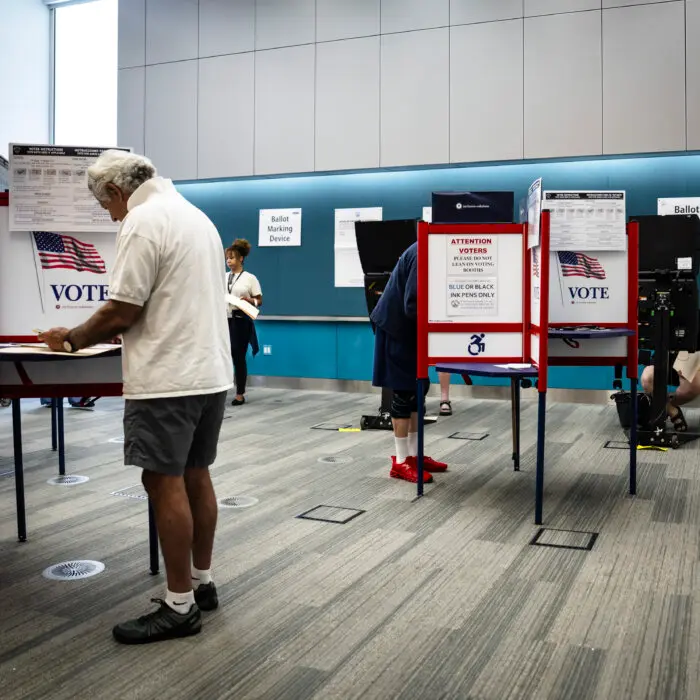
WASHINGTON—With midterms just months away, President Donald Trump is poised to speak to the nation about elections.
Trump is scheduled to address the nation on the subject on July 16 at 9 p.m. ET.
Although he has held off on offering details, Trump confirmed to reporters on July 14 that his address will concern voter integrity and related issues.
“Our country has to shape up,” the president said in the Oval Office during an appearance with Iraqi Prime Minister Ali al-Zaid. “Without free and fair elections, you don’t have a country.”
Senate Majority Leader John Thune (R-S.D.) told reporters that same day that he did not know what Trump intends to address on July 16.
“We are focused on the 2026 election,” he said.
Election Integrity Efforts
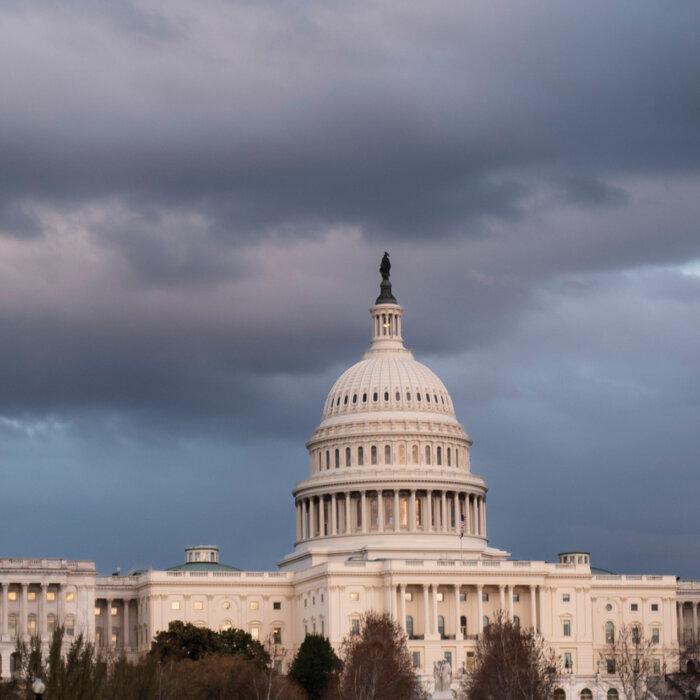
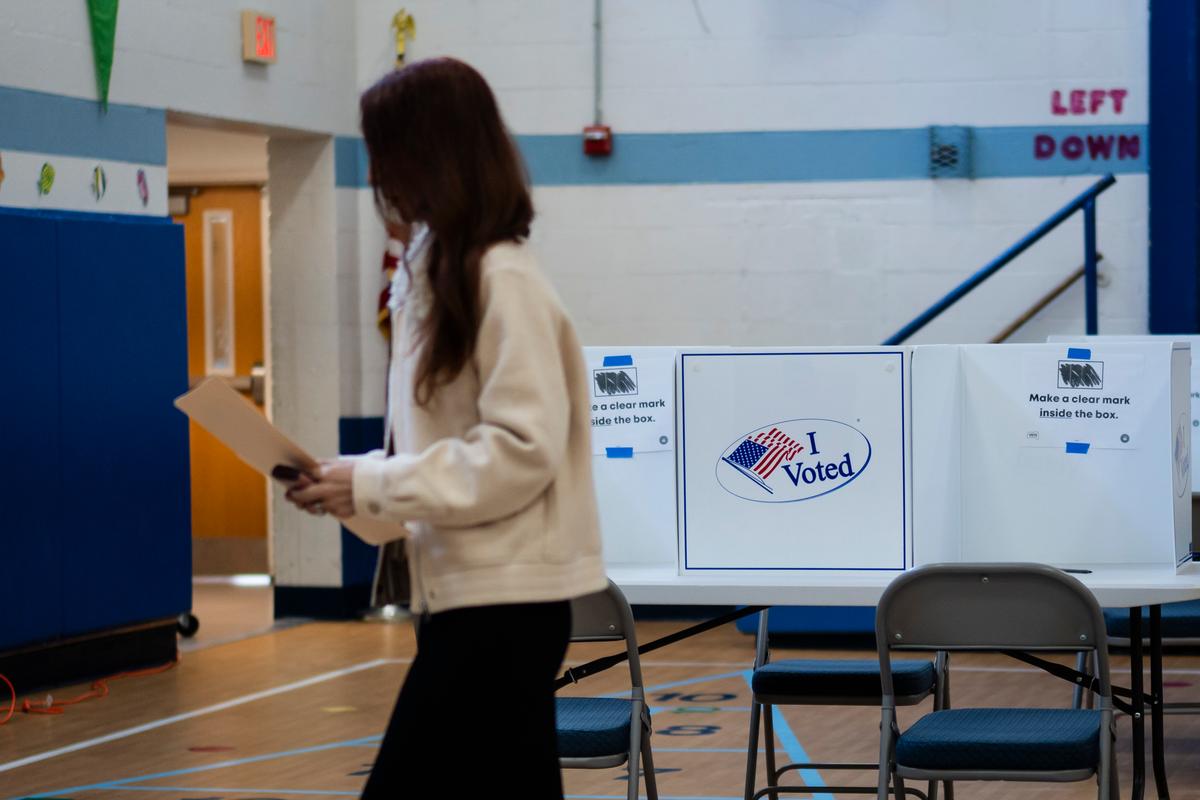
Trump’s address comes amid wider efforts from the Trump administration and Republicans in Congress to bolster the integrity of federal elections.
Earlier in July, the president fired members of the bipartisan Election Assistance Commission, which assists election officials and manages the certification of voting systems, including electronic voting machines.
Blue states have sued the Trump administration over its effort to create a nationwide list of eligible voters. On June 25, a district court judge in Massachusetts sided with them, ruling that states maintain significant control over elections under the Constitution.
In Washington on June 26, a district court judge blocked the administration’s updated citizenship verification database, ruling that it ran afoul of the Social Security Act and the Privacy Act of 1974.
Also in July, Harmeet Dhillon, who heads the Civil Rights Division of the Justice Department, sent letters to all 50 states and the District of Columbia, cautioning officials that they may be criminally liable if noncitizens are on their voter rolls.
SAVE America Struggles
The president has also repeatedly called on Congress to pass the SAVE America Act. That GOP-backed legislation would require proof of citizenship for voter registration and photo identification at the polls.
Although SAVE America has passed the House, it has stalled in the Senate.
Republican leaders are seeking to incorporate SAVE America-like policies into a third reconciliation bill.
Budget reconciliation would bypass the Senate filibuster, enabling Republicans to pass legislation with a simple majority. Yet, some election integrity measures could run afoul of the Senate parliamentarian, who advises on what legislation can be passed via reconciliation.
The parliamentarian previously advised that SAVE America provisions do not comply with the Byrd Rule, a constraint on what can make it into the budget reconciliation process.
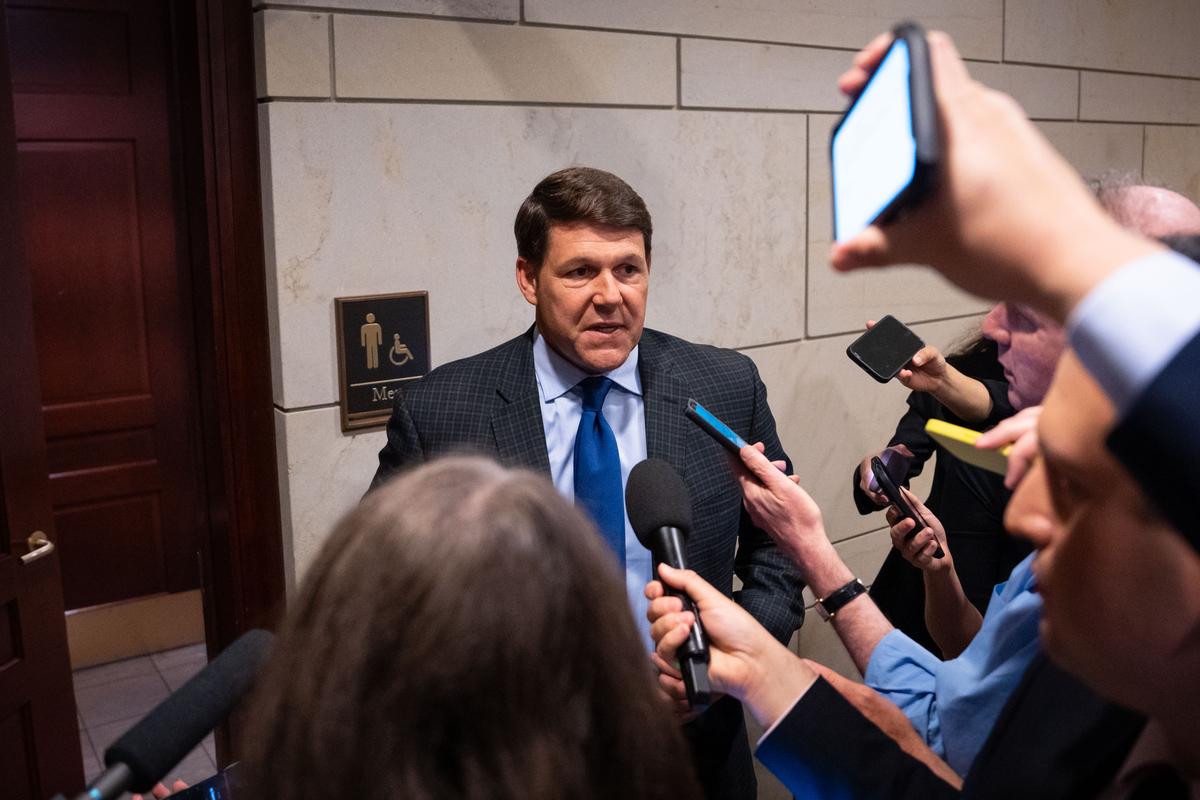
House Republicans on July 15 released a $95 billion framework for the third reconciliation package that could include funding for states to establish photo ID requirements during elections.
The House Budget Committee announced there will be a July 16 markup on the legislation. Chairman Jodey Arrington (R-Texas) pledged the package would help “safeguard the integrity of our elections.”
Democratic lawmakers voiced worries about the president’s upcoming speech.
Sen. Mark Warner (D-Va.), ranking member of the Senate Select Committee on Intelligence, told The Epoch Times on July 15 that “having been deeply involved with the intelligence community for the last decade plus, I would be shocked if there was some major new piece of intelligence that never was shared.”
“I’ve been concerned since the beginning of the year that there'll be efforts to try to rig the elections or take a suspect or false piece of intelligence and use it as a reason to take some kind of action.”
Senate Minority Leader Chuck Schumer (D-N.Y.) expressed similar concerns about the speech’s implications for the White House’s approach to the midterms, telling reporters on July 15 that he and his colleagues “are red-teaming what they might do and how we can combat it ahead of time.”