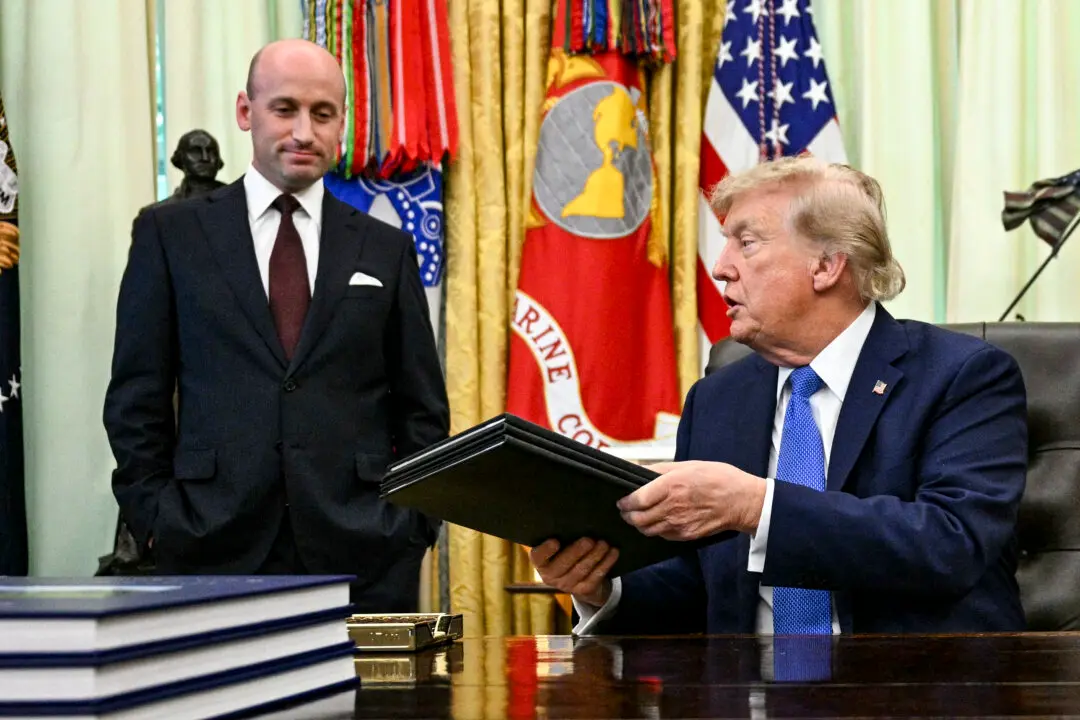
WASHINGTON—President Donald Trump announced on Friday nearly $2 billion in investments for critical mining projects, as well as more than $180 million in grants to expand the American mining workforce.
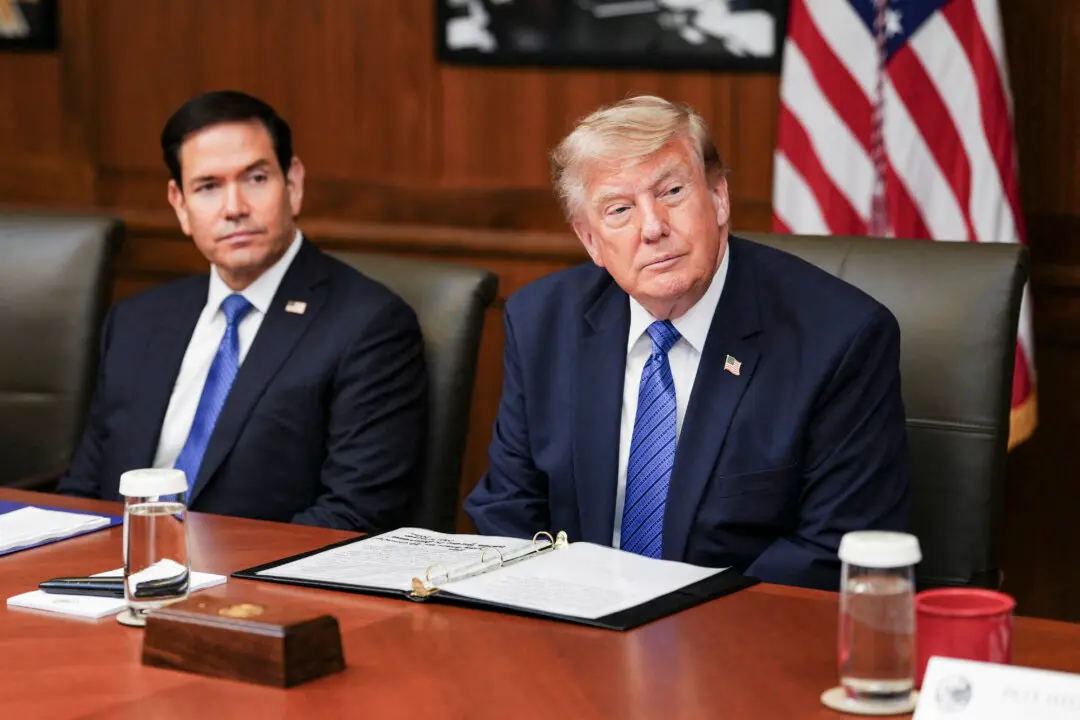
He unveiled his plans at a mining industry roundtable at the State Department, which brought together nearly 200 business leaders, educators, and government officials to support domestic mining companies.
“I think you haven’t been treated well for many years,” Trump told mining industry executives as he began his remarks.
“We’re putting our miners back to work, and we’re reclaiming America’s rightful place as the minerals superpower of the world,” he said.
Among the projects are the Department of War’s signing of a $1.4 billion loan agreement with Sila Nanotechnologies to build a next-generation battery facility in Washington State.
Other projects include the Department of War’s $400 million investment in Sunrise Energy Metals to produce high-heat aluminum alloys for fighter jets and spacecraft, and a $150 million investment in Niron Magnetics, a Minnesota company manufacturing magnets for the defense industrial base.
The Export–Import Bank is also preparing to provide loans for mining projects, including a potential loan of more than $1 billion to support Ivanhoe Electric’s Santa Cruz Copper Project in Arizona, Trump said.
“The United States is opening new mines at the fastest pace, and we opened the first American rare earth mine in more than 70 years,” Trump said.
According to the White House, the Department of Energy is launching a $100 million grant program to support scholarships and related initiatives. Universities, community colleges, trade schools, industry groups, and other partners will be eligible to apply.
Additionally, the military is providing over $80 million in funding to three universities for technology and workforce development programs. The recipients are the Colorado School of Mines, the South Dakota School of Mines, and Johns Hopkins University.
“Half of our current mining workforce is set to retire within the next three years,” Trump said during the event.
The new funding is expected to develop skilled workers and strengthen supply chains for the American mining industry.
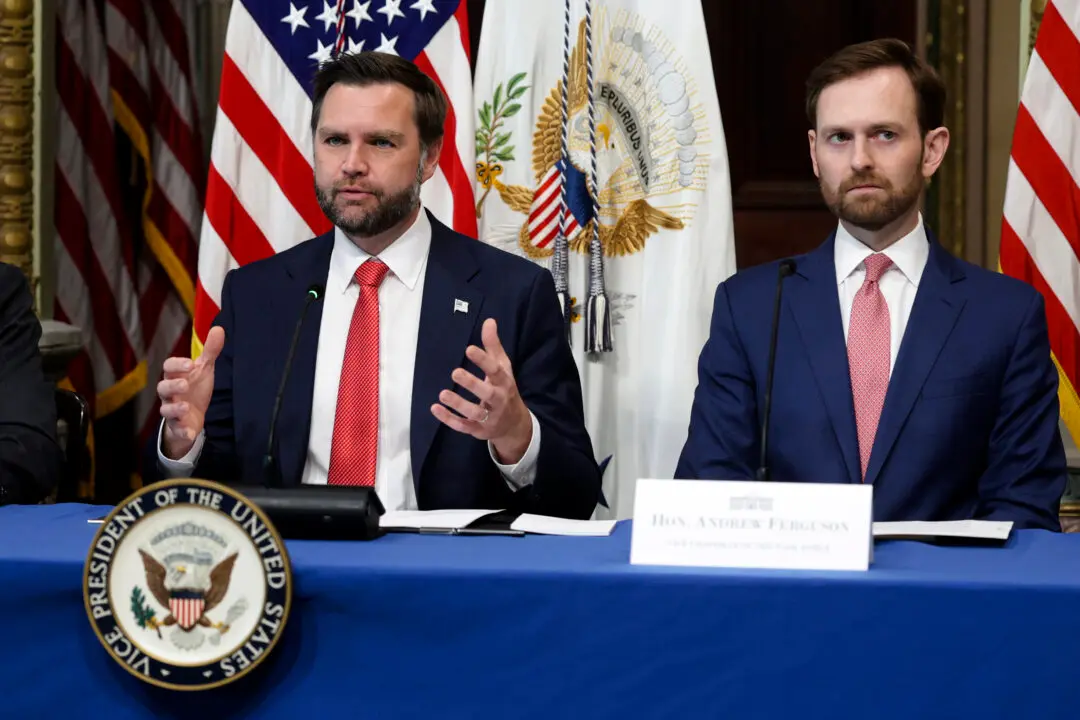
Key cabinet members who attended the roundtable included Interior Secretary Doug Burgum, Secretary of State Marco Rubio, and Commerce Secretary Howard Lutnick. Industry executives from Resolution Copper, MP Materials, American Ocean Minerals, Ivanhoe, and Century Aluminum also participated, according to the White House.
Trump said the United States lost more than 3,400 mines in the last 30 years.
“That’s sad. But now they’re coming back, and they’re coming back faster,” he said.
Since taking office, Trump’s administration has approved more than 160 mineral agreements worth nearly $40 billion, he said.
As part of the effort, the federal government acquired direct equity stakes in several mining companies. As a result, the Pentagon now holds shares in Lithium Americas, Trilogy Metals, USA Rare Earth, MP Materials, and Atlantic Alumina, as well as a stake in a joint venture with Korea Zinc.