The new classification will apply only to noncareer positions, meaning their terms are expected to end when the president who appointed them leaves office, the White House stated.
It noted that Schedule G positions are intended to enhance government efficiency and improve federal agency services “by increasing the horsepower for agency implementation of administration policy.”
This classification “facilitates appointments of non-career federal employees who will serve temporarily and implement the policy agenda prescribed by the American people through our elections,” and improves agency operations by “streamlining appointments for key policy roles,” according to the fact sheet.
Trump’s order specifically named the Department of Veterans Affairs, directing it to choose appointees to Schedule G positions based on their capability to support the president’s policies, without considering their political affiliation or political activity.
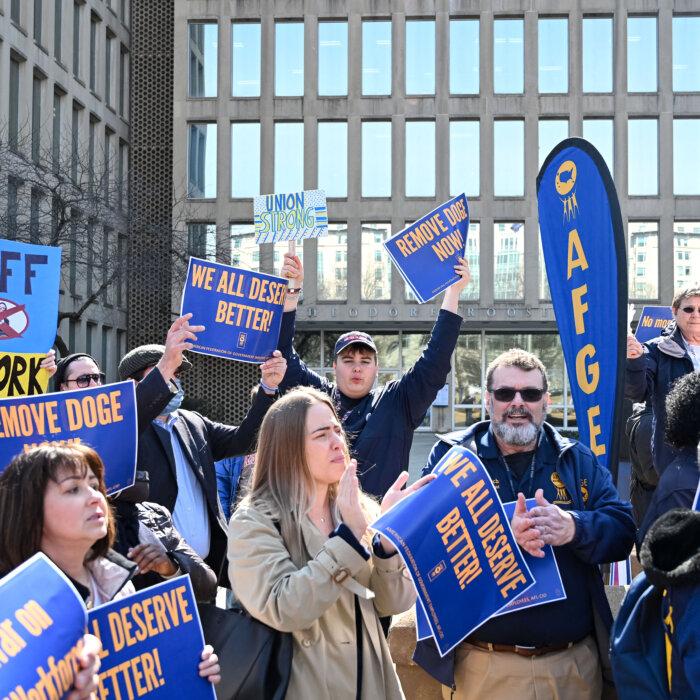

This classification will enable federal agencies to swiftly remove workers who are poor performing, engaged in misconduct, or undermining presidential directives, according to the fact sheet.
“The Government Accountability Office reports it takes 6 months to a year to remove poor performers, even before appeals. Only two-fifths of federal managers are confident they could remove employees who committed serious misconduct,” the White House said in April.
In announcing the order on April 18, Trump said the new classification will hold career employees to “the highest standards of conduct and performance” and remove those who oppose his administration’s policy agenda.
During his first term, Trump ordered the reclassification of certain federal workers in policy-related roles under a “Schedule F” category, but that was later revoked by President Joe Biden after he took office in 2021.