This copy is for your personal, non-commercial use only. Distribution and use of this material are governed by our Subscriber Agreement and by copyright law. For non-personal use or to order multiple copies, please contact The Epoch Times Reprints.
President Donald Trump signs an executive orders during a press availability in the Oval Office of the White House on Sept. 5, 2025. Kevin Dietsch/Getty Images
Federal officials on Sept. 9 sent 100 letters to companies telling them to cease misleading advertisements for pharmaceutical products, as President Donald Trump signed a new memorandum saying his administration would “ensure that the current regulatory framework for drug advertising results in fair, balanced, and complete information for American consumers.”
Trump said officials with the Department of Health and Human Services and the Food and Drug Administration (FDA) would take action to make sure that direct-to-consumer ads are transparent, accurate, and not misleading.
“Pharmaceutical ads hooked this country on prescription drugs,” Health Secretary Robert F. Kennedy Jr. said in a statement. “We will shut down that pipeline of deception and require drug companies to disclose all critical safety facts in their advertising. Only radical transparency will break the cycle of overmedicalization that drives America’s chronic disease epidemic.”
FDA regulations require ads to present “a fair balance between information relating to side effects and contraindications and information relating to effectiveness of the drug” and prohibit creating a “misleading impression.”
The government had, in recent years, stopped enforcing regulations that prohibit pharmaceutical ads from creating a “misleading impression” and require them to present a “fair balance of information,” a senior administration official told reporters on a call.
The FDA has increasingly declined to enforce the regulations. While in the past, the agency would regularly send more than 100 enforcement letters to companies each year, just one was sent in 2023, and none were sent in 2024, according to the administration.
Regulators sent 100 cease-and-desist letters on Sept. 9, as well as thousands of other letters alerting companies that the government would be enforcing the rules. The official declined to identify any of the companies or commit to releasing the letter.
“For far too long, the FDA has permitted misleading drug advertisements, distorting the doctor-patient relationship and creating increased demand for medications regardless of clinical appropriateness,” Dr. Marty Makary, the FDA’s commissioner, said in a statement.
The Pharmaceutical Research and Manufacturers of America, a trade group, said in a statement that direct-to-consumer advertising “provides patients with important fact-based, useful and accessible information about potential treatment options” and that companies “are committed to responsible, accurate advertising that helps Americans make informed decisions about their health care in consultation with their doctor.”
The FDA is also reversing its 1997 relaxation of direct-to-consumer ad regulations, which enabled companies to point people to information hosted in other places, such as websites, the FDA stated. Spending on direct-to-consumer ads jumped to $6 billion in 2016 from $150 million in 1993, according to a 2023 paper published in the Journal of Public Economics. The rise primarily happened after the 1997 FDA move.
“Our goal is to ensure that patients have proper information about drugs that have potential harms, and it’s to rebuild public trust,” the official said.
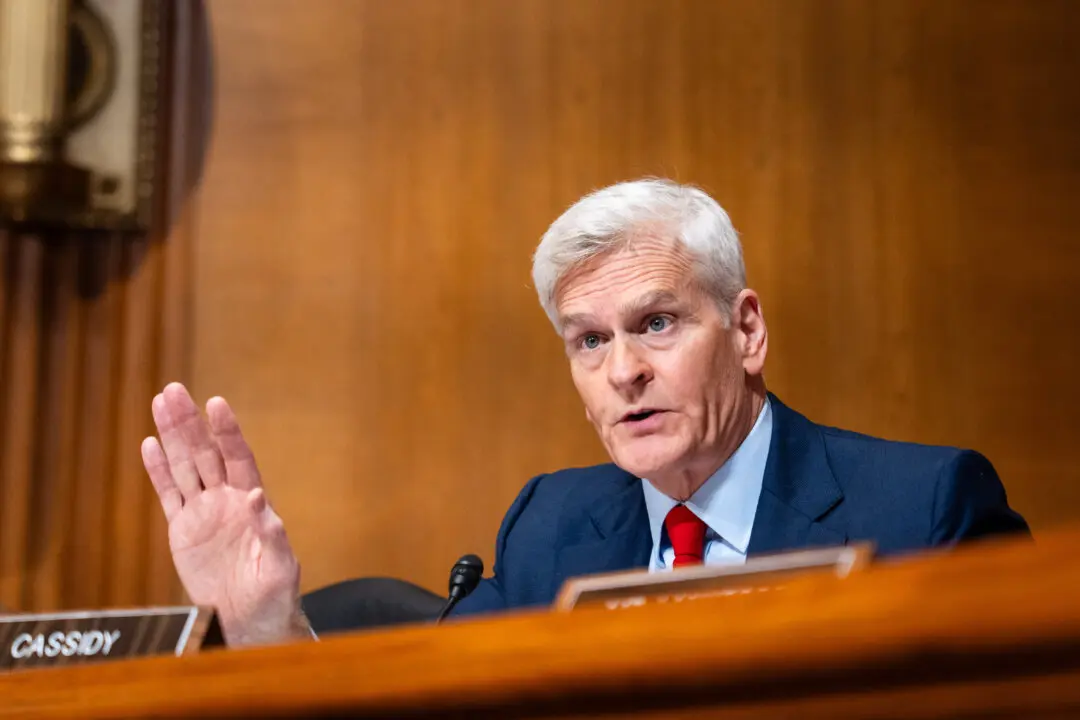
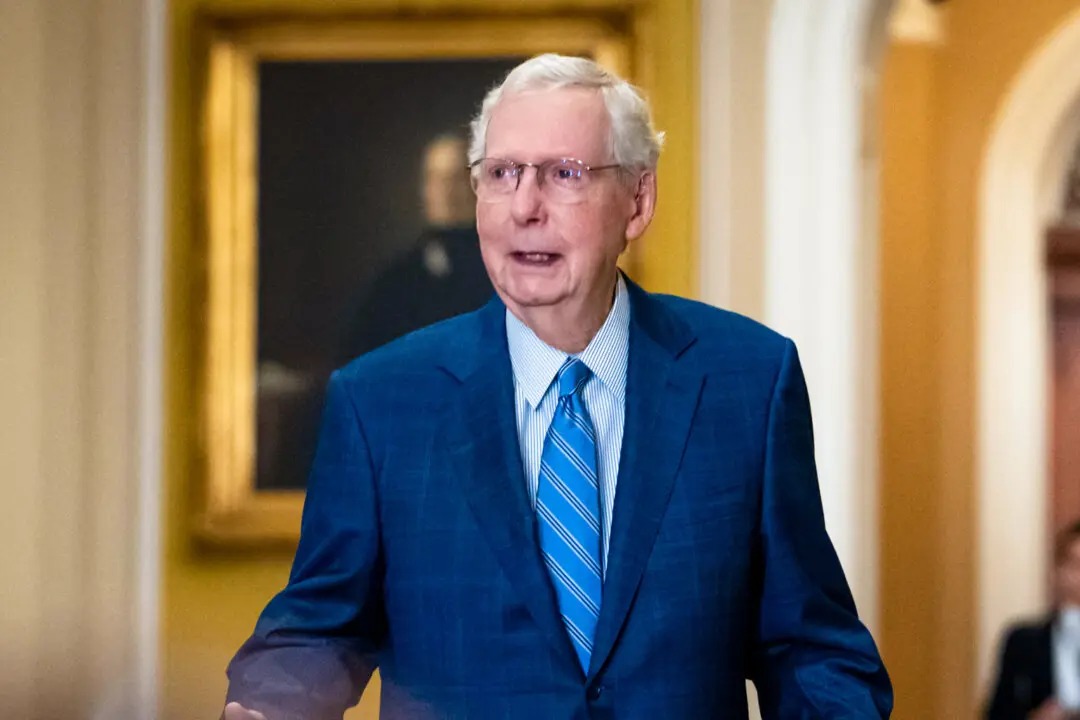
Another official said that Trump’s memo was the strongest action the president could take on the matter. A bipartisan group of senators is pursuing legislative action to eliminate direct-to-consumer ads.
The administration was alerted to the issue by senators who flagged a Super Bowl ad in January from Him and Hers that promoted weight-loss pills without mentioning possible side effects.
The company did not respond to a request for comment.
Asked about potential lawsuits, an administration official said that “there are ads that are clearly crossing the line with respect to the regulation, making any potential future legal action, I think, pretty clear-cut.”
“We are also going to be looking hard at social media companies, social media influencers ... that have influencers paid to promote pharmaceutical products without proper disclosures and without following the same rules that pharmaceutical companies follow,” the official told reporters.
According to a 2024 review of previous studies and articles, some pharmaceutical companies and individuals have increasingly used social media to promote drugs, and only about a third of posts mentioned possible harms from the promoted drugs.
Federal officials said in a report released on Sept. 4 that the FDA, the Department of Justice, and other agencies would “increase oversight and enforcement under current authorities for violations of direct-to-consumer (DTC) prescription drug advertising laws.”
Officials are going to focus on “egregious violations demonstrating harm from current practices,” including those from social media influencers, they said.