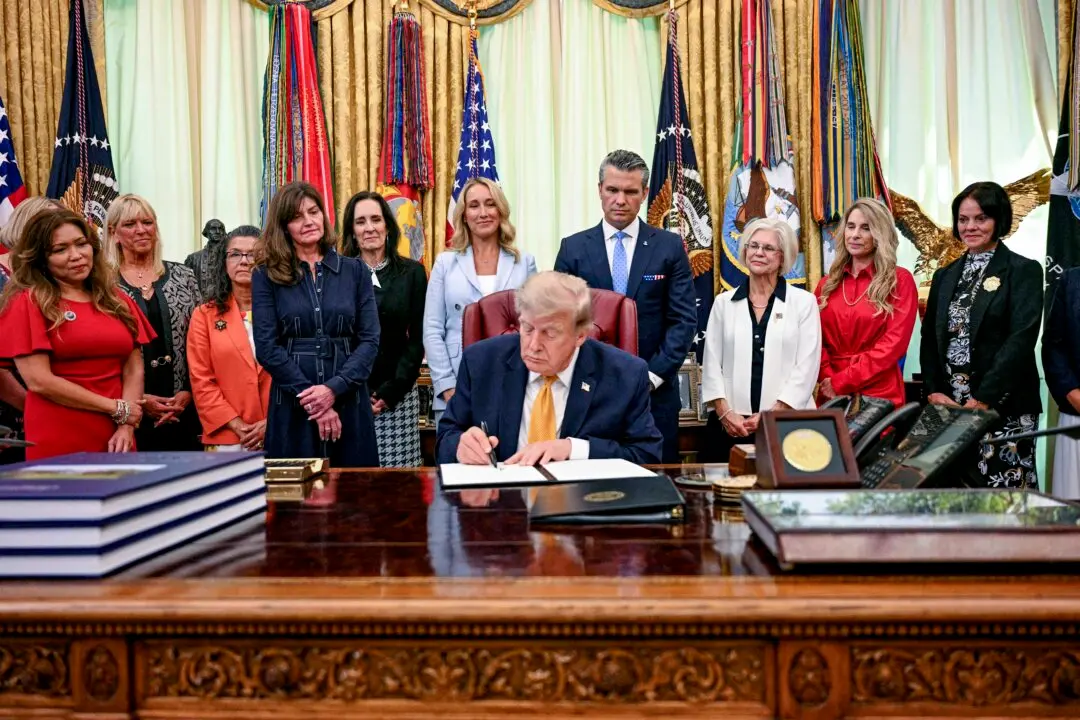
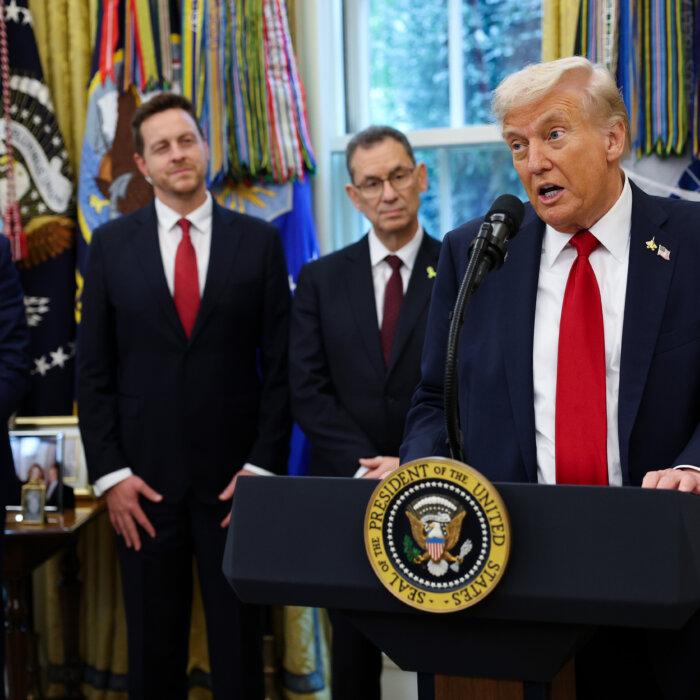
“For years, we’ve been amassing data about childhood cancer, but until now, we’ve been unable to fully exploit this trove of information and apply it to practical medicine,” Trump said during the event. “Using cutting-edge AI, we will empower scientists and researchers to discover new treatments, cures, and prevention strategies.”
The president’s science adviser told reporters earlier in the day during a media call that childhood cancer is the leading cause of death for children in the United States, noting that incidents have increased more than 40 percent over the past five decades in what he described as an “alarming trend.”
“With this great data and America’s pioneering AI technology, American researchers now have the best tools in the world with which to take on pediatric cancer,” said Michael Kratsios, assistant to the president and director of the White House Office of Science and Technology Policy.
According to the administration, AI will help researchers maximize efficiency, improve diagnoses, sharpen therapeutic methods, enhance clinical trials, and advance preventative treatment protocols.
Utilizing advanced computing technologies will allow for better predictive modeling for treatment and patient response analyses, giving medical professionals more tools to unlock cures, officials told reporters.
Josh Armstrong, father of a six-year-old, Laurel, who was diagnosed with leukemia when she was two years old, recounted her tale and the impact her suffering had on the family.
“What you’re doing today gives parents like me and children like Laurel the one thing that we desperately need, and that’s hope,” Armstrong said.
One young survivor also offered words of encouragement to others facing challenges as she told of her cancer diagnosis at the age of four.
“For kids, every day counts,” 16-year-old Carolyn Hendrix, diagnosed with pediatric bone cancer at four years old, told Trump during the ceremony. “This order shows that our lives matter enough to be first in line for innovation.”
She expressed gratitude for the administration’s efforts.
“On behalf of children and young adults with cancer, those still fighting and those in remission like me, and families who wish that they had more time together, thank you for making us a national priority, Mr. President.”