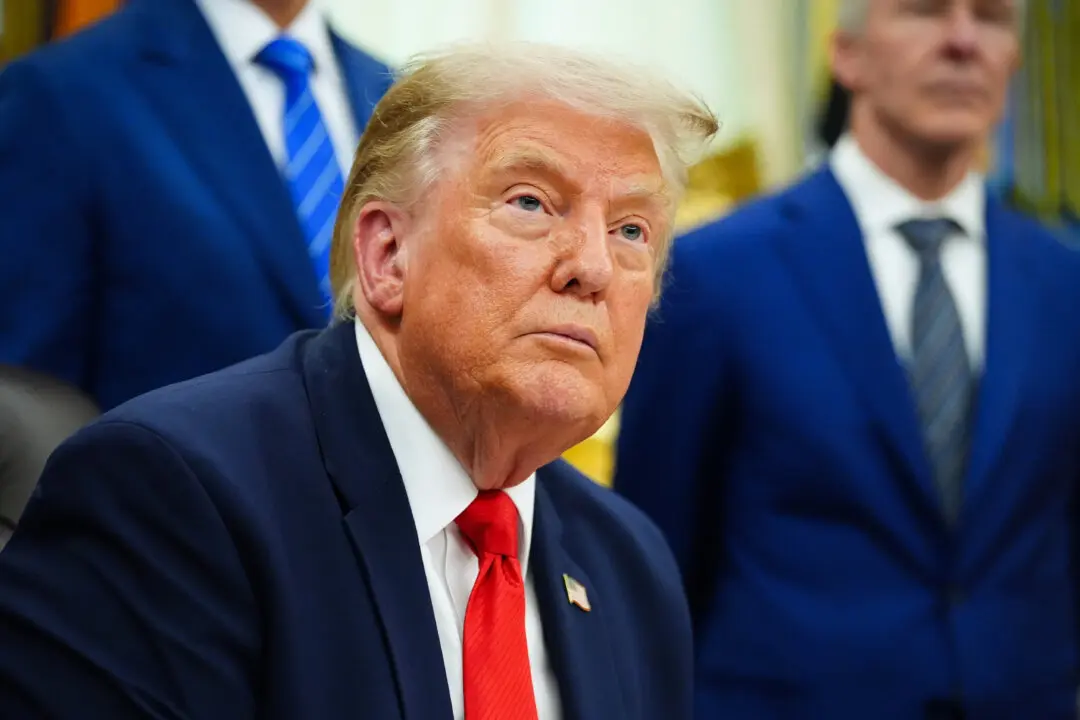
This includes actions to “eliminate or expedite Department of Transportation’s environmental reviews” and processes deemed to be unnecessary. Licensing is administered by the Federal Aviation Administration (FAA).
The order emphasized the need to enable a “competitive launch marketplace” and substantially increase “commercial space launch cadence and novel space activities by 2030.”
“Ensuring that United States operators can efficiently launch, conduct missions in space, and reenter United States airspace is critical to economic growth, national security, and accomplishing Federal space objectives,” the president said in the order.
In reforms involving rocket safety, Trump ordered the streamlining of regulations that overlap with existing safeguards already in place for vehicles, such as flight termination systems, automated flight safety systems, and Federal Aviation Administration airworthiness certificates.
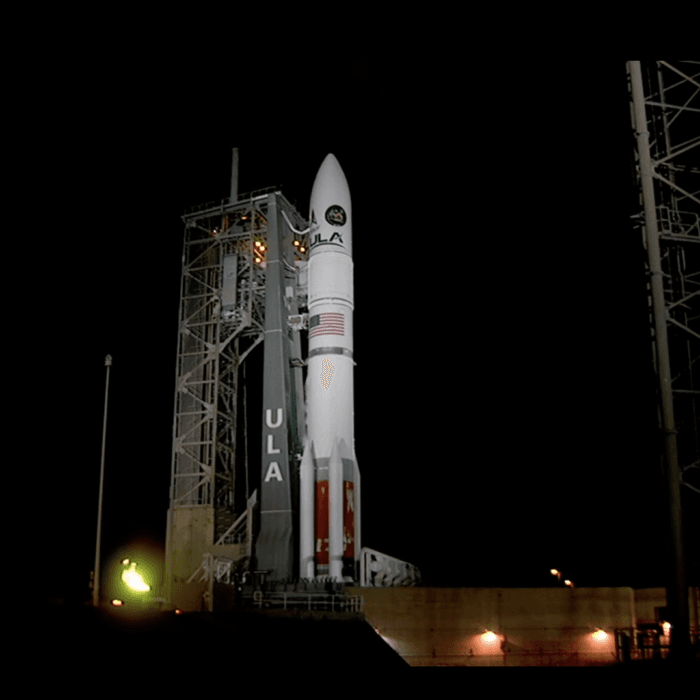
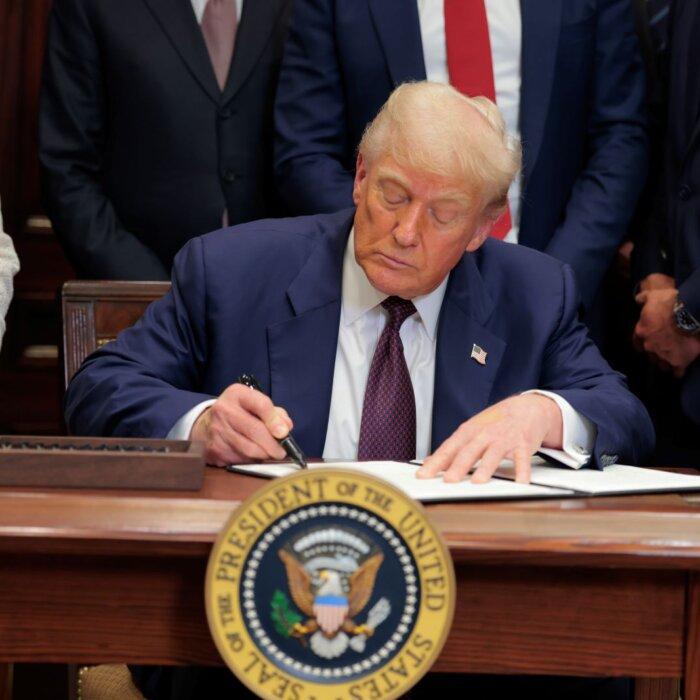
He also directed the Department of Transportation to investigate whether requirements for rocket permits should be expanded to ensure that operators can demonstrate the reliability of their reentry vehicles to “protect against a high-consequence event on reentry.”
The transportation secretary has 120 days to implement the order, which includes reporting on any new assessments or changes made to the president’s economic policy team.
Earlier this year, the FAA grounded SpaceX’s Starship test flights for nearly two months after back-to-back post-launch explosions rained debris over Caribbean islands and forced dozens of airliners to change course. The FAA expanded the aircraft hazard zone along Starship’s launch trajectories before licensing future flights.
SpaceX CEO Elon Musk has repeatedly complained that licensing reviews required by the FAA, post-flight mishap investigations, and environmental impact studies needlessly slowed testing of SpaceX’s Starship rocket, which was under development at the company’s South Texas launch facility.
State Government Approval
Trump also directed the secretaries of commerce, defense, transportation, and the NASA administrator to examine whether state and local governments are in compliance with the Coastal Zone Management Act when it comes to regulating spaceport infrastructure projects. The Cabinet members and NASA head are to report their findings to the Department of Justice, as well as advise on whether reforms should be made to revoke the need for state approval for such projects.They have a 180-day deadline.
The policy document also ordered the expediting and streamlining of existing regulatory frameworks involved in authorizing unmanned space missions to “enable American space competitiveness and superiority,” and the creation of a new Department of Transportation role in which a “senior executive noncareer employee” will oversee “innovation and deregulation in the commercial space transportation industry.”
The order also directs the secretary of commerce to elevate the Office of Space Commerce to a secretary-level office within 60 days.