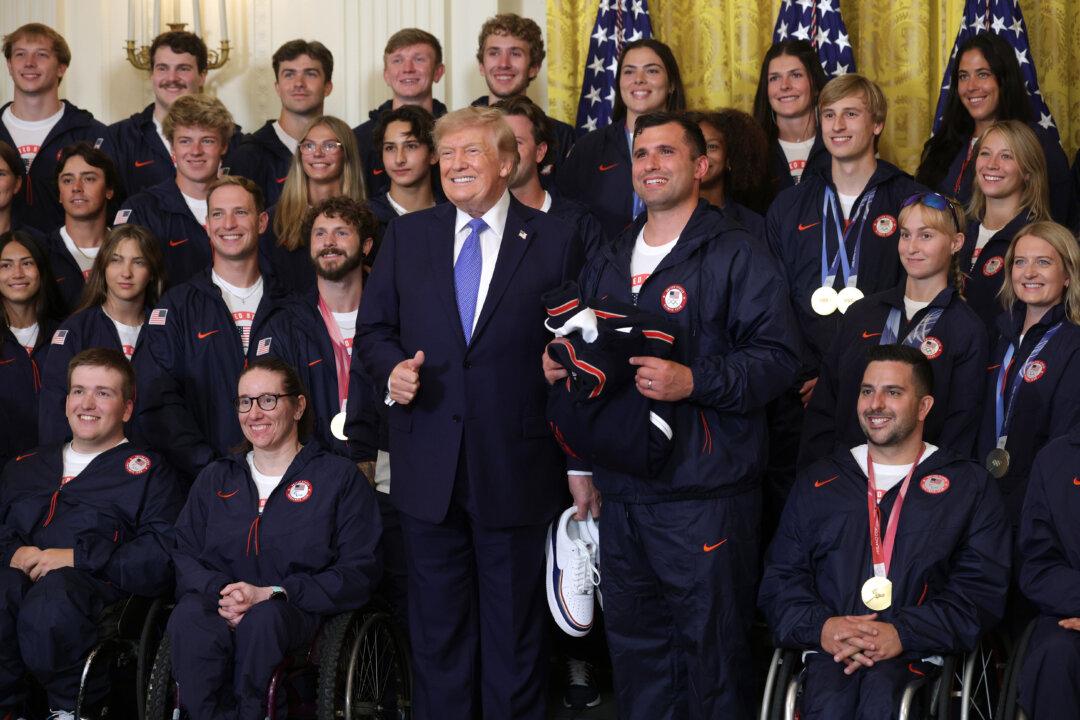
President Donald Trump signed an executive order on Aug. 10 calling for spacing out childhood vaccines.
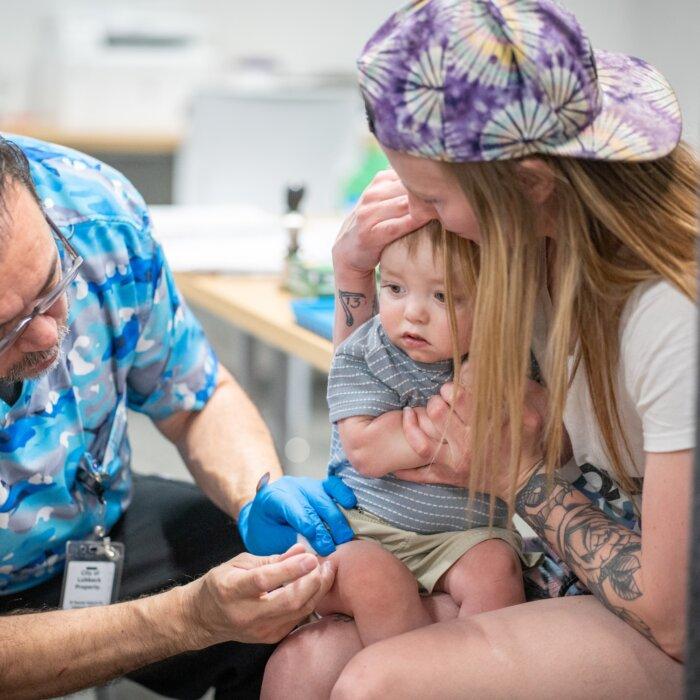
The order recommends administering the measles, mumps, and rubella (MMR) vaccine in three shots in separate visits.
“The Gold Standard Childhood Vaccine Recommendations also recognize that the combined measles, mumps, rubella (MMR) vaccine should be administered in three separate single-disease shots once such products are domestically available and that, to the maximum extent feasible, all childhood immunizations should be administered at separate medical visits,” the order states.
The executive order calls for the attorney general to take “appropriate measures to further meritorious legal actions challenging state laws that conflict with states’ constitutional and Federal statutory obligations related to parental authority, religious freedom, disability accommodations, and equal protection under the law, including, to the extent applicable under Federal law, States’ obligations to provide religious and medical exemptions from childhood and adolescent immunization requirements.”
Public health experts say that vaccination delays could increase the chances that children are infected with diseases that vaccines can prevent before they return for their next appointment.
States, not the federal government, have the authority to require vaccinations for schoolchildren—even though the order calls for revised vaccine recommendations.
White House officials said that as of January, 28 states no longer rely on federal vaccine recommendations, meaning a large number still rely on federal guidance.
“This is an opportunity for other states to also enact a similar approach, where they would take the Gold Standard Childhood Vaccine Recommendations and appropriately evaluate and update their laws to reflect those recommendations,” they said.
The executive order directed the Health and Human Services (HHS) Task Force on Safer Childhood Vaccines to present a plan to Trump on improving vaccine research, expanding options for parents, and the continuous evaluation of risks and benefits to all childhood vaccines.
The task force was reactivated last year by HHS and is chaired by National Institute of Health Director Jay Bhattacharya.
“The goal is to make sure that every question is fully evaluated, the best research methodologies applied, and answers provided back to the president,” an administration official said.
The official added that there will be federal outreach to states to ensure awareness of the new guidance so lawmakers, as they enter a new legislative session, can consider what kind of vaccines they wish to implement as law, particularly regarding school attendance.
Polls show that most Americans support school vaccine requirements, but Republicans are less likely than Democrats to view them as important.
Amid speculation that vaccines may be linked to autism, Trump has recently increased pressure on HHS Secretary Robert F. Kennedy Jr. to determine what causes autism, a goal Kennedy previously vowed to pursue through new research announced last year.
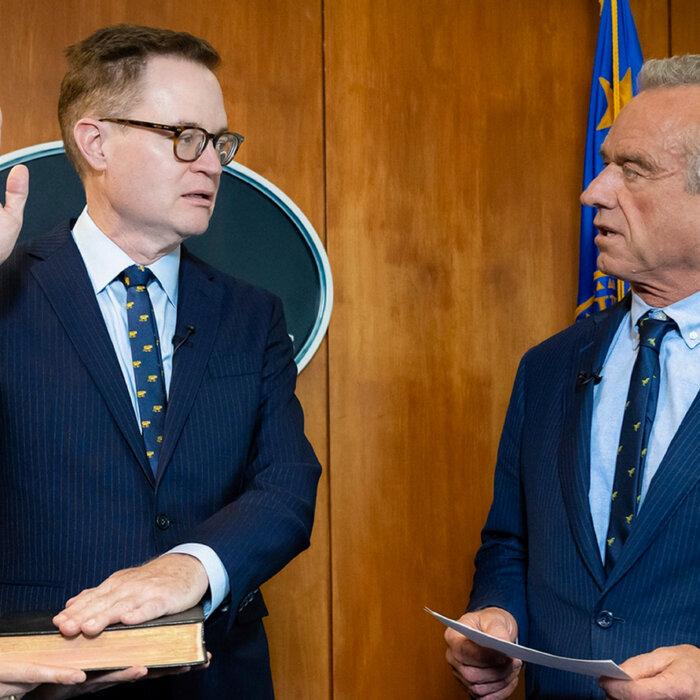
At the signing event, Kennedy stated that his team is conducting thorough research on the causes of autism.
“We have just over two years to finish the work and I know you’re impatient,” he told Trump.
“We will bring you actions and findings as soon as they are ready,” Kennedy said.
Some doctors and scientists say vaccines do not cause autism, pointing to research on the matter, such as a 2015 paper in the Journal of the American Medical Association that found the MMR vaccine was not associated with increased risk of autism.
Others maintain that it is an open question or highlight other research, such as a 2026 preprint that found an increase in autism risk with receipt of the influenza vaccine.
Trump’s executive order comes as kids return or are about to return to school.
The order also directs the Department of Justice, Department of Education, and Department of Health and Human Services to “take appropriate action to ensure that their contractors and grantees, including States and localities, are compliant with their constitutional and federal statutory obligations.”
The executive order is a win for the Make America Healthy Again movement, which has expressed skepticism of mandatory vaccines.
“The president is committed to ensuring that parents are in the best position possible to make good, sound decisions for their children’s sake,” administration officials said. “Specifically, ensuring that states are honoring their requirements regarding religious and medical exemptions.”
Although the MMR vaccine is not currently available in three separate shots in the United States as Trump’s executive order directed, White House officials said HHS will work with the private sector to make it so and commercially available.
The officials did not clarify how long that process might take but stressed HHS has an “ambitious timeline” to provide answers to Trump on questions like this.
During the signing, Trump criticized what he called “72 jabs for ... beautiful, healthy, lovely delicate little children.”
Trump called for only 11 key vaccines. He said spreading out the shots was critical and said children should get their shots in one year with five separate visits.