U.S. President Donald Trump said on Jan. 31 that his administration is starting to engage in talks with Cuban leaders after he moved to cut off oil deliveries from Venezuela and announced new tariffs on any countries selling petroleum to the communist-run island.
“We’re starting to talk with Cuba. They need help on a humanitarian basis,” Trump told reporters on Air Force One en route to Florida on Jan. 31. “A lot of people in our country were treated very badly by Cuba ... we'd like to be able to have them go back to a vote in their country, which they haven’t seen in their country for many, many decades.”
Trump said he is working toward a deal in which Cuban exiles could theoretically return to the island and vote for the first time since before the culmination of Fidel Castro’s communist revolution in 1959, suggesting that the United States would “be kind” to the nation.
Earlier in his remarks, Trump said that Cuba doesn’t have to face a humanitarian crisis and that it would “probably come to us and want to make a deal so Cuba would be free again.”
“They have no money; they have no oil. They lived off Venezuela’s money and oil, and none of that is coming,” Trump said, noting that he had told the president of the island’s second-largest supplier of oil—Mexico—to stop sending petroleum to Cuba.
Trump did not offer further details on the discussions his administration is having with Cuban officials or what a negotiated deal with the country might look like.
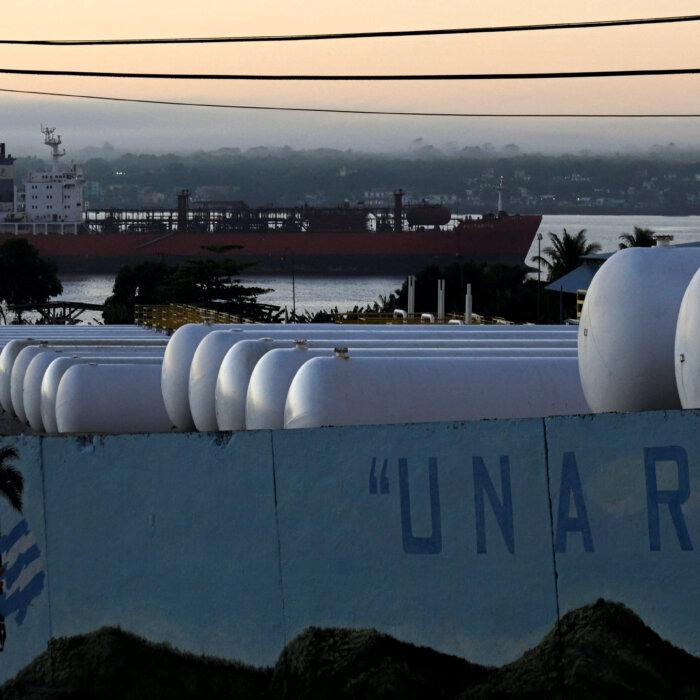
“I find that the policies, practices, and actions of the Government of Cuba constitute an unusual and extraordinary threat, which has its source in whole or substantial part outside the United States, to the national security and foreign policy of the United States,” the executive order reads.
Trump’s order accuses the Cuban regime of aligning itself with Russia, China, Iran, and the Hamas and Hezbollah terrorist groups and states that opposing the communist regime is essential for U.S. national security.
Trump urged Cuba this month to strike a deal with his administration after the United States captured former Venezuelan leader Nicolás Maduro and pressured interim Venezuelan leader Delcy Rodríguez to redirect oil deliveries to the United States.
“As history demonstrates, relations between the U.S. and Cuba, in order to advance, must be based on International Law rather than on hostility, threats, and economic coercion.”