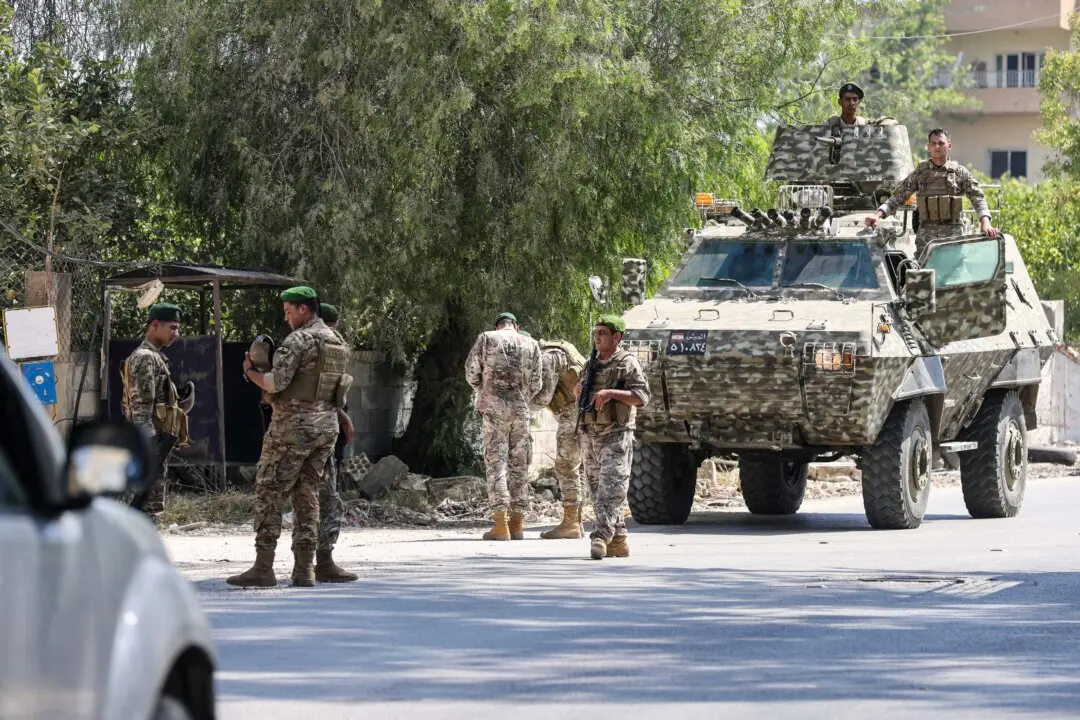
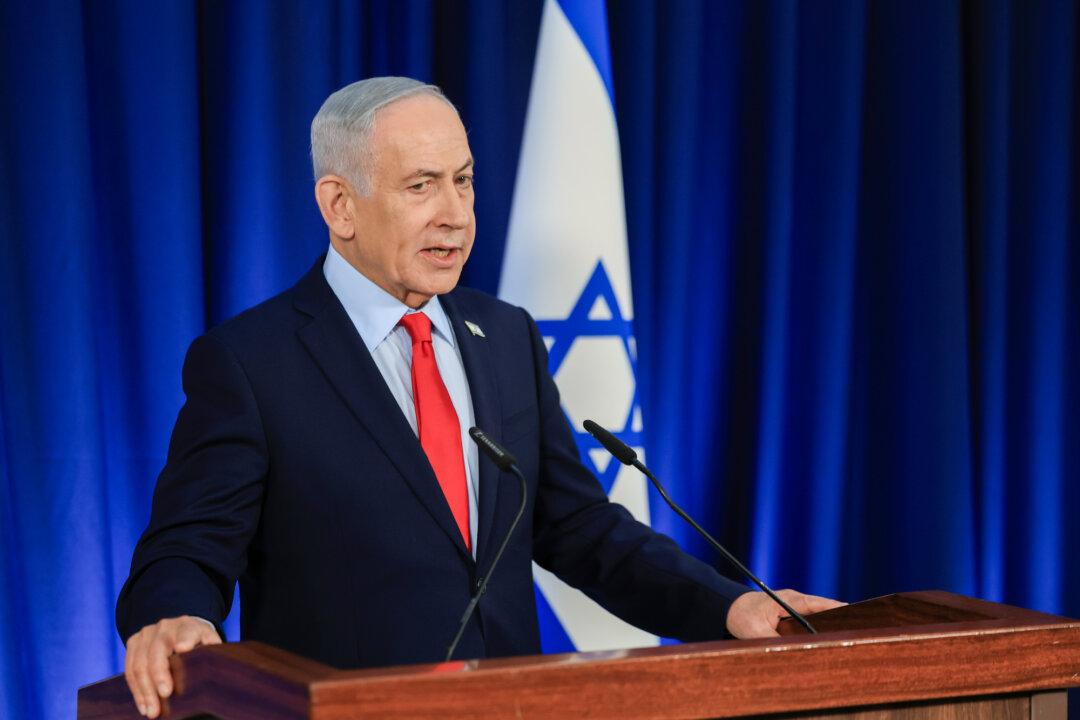
U.S. President Donald Trump has welcomed a Russian proposal to voluntarily maintain limits on deployed strategic nuclear weapons.
The New Strategic Arms Reduction Treaty, or New START agreement, signed in 2010 and implemented the following year, limits each side to 700 deployed long-range missiles and bombers, 1,550 deployed nuclear warheads, and 800 total launchers.
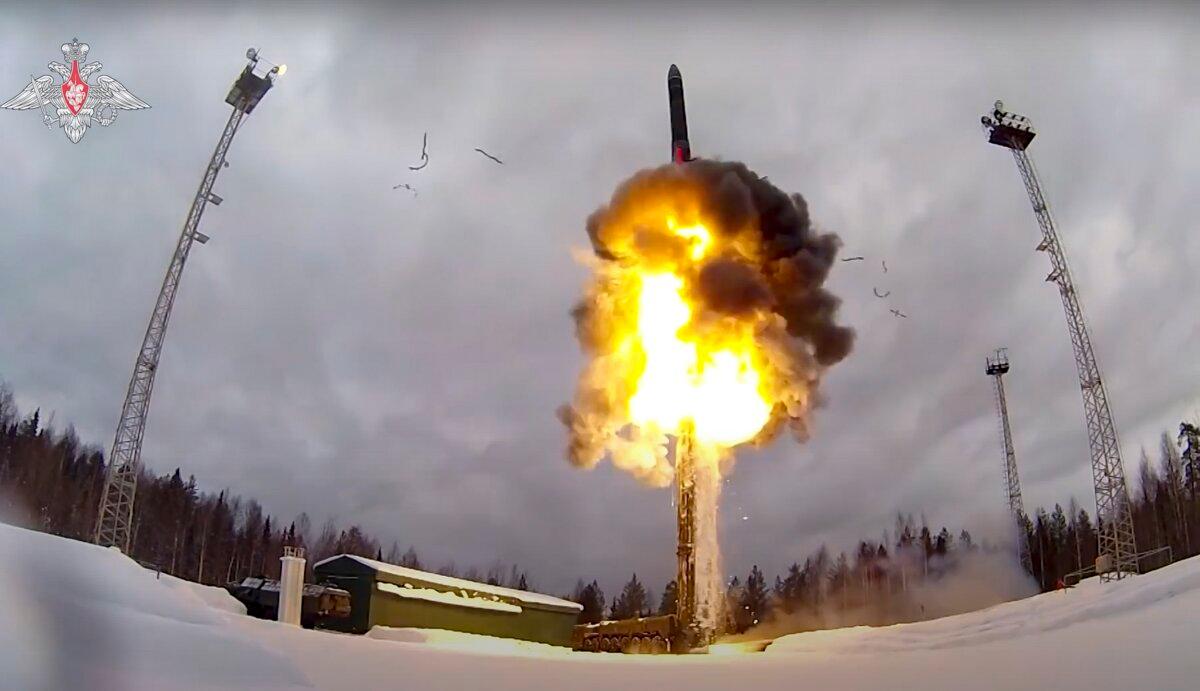
The treaty also places restrictions on Russia’s most advanced long-range weapons, including the Avangard hypersonic glide vehicle and the Sarmat intercontinental missile, which can reach U.S. territory in about half an hour.
Unless extended, the pact will expire in February 2026.
Kremlin spokesman Dmitry Peskov welcomed Trump’s response.
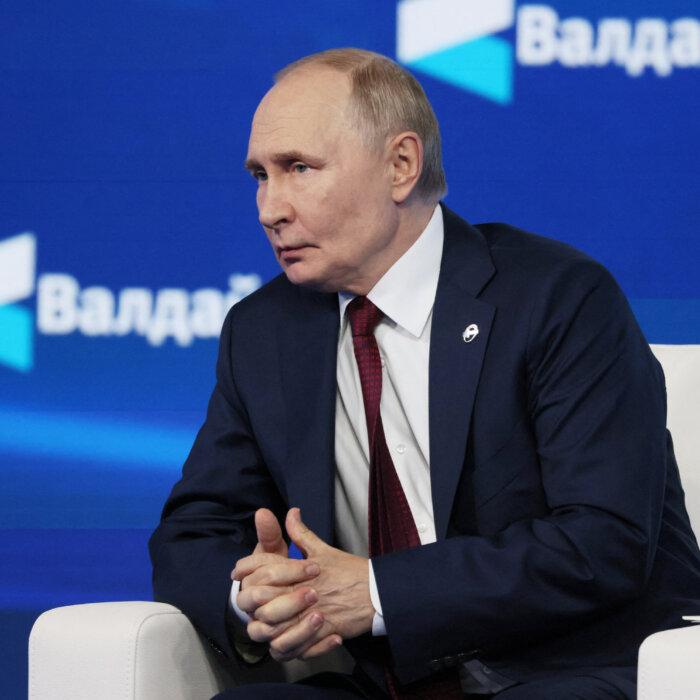
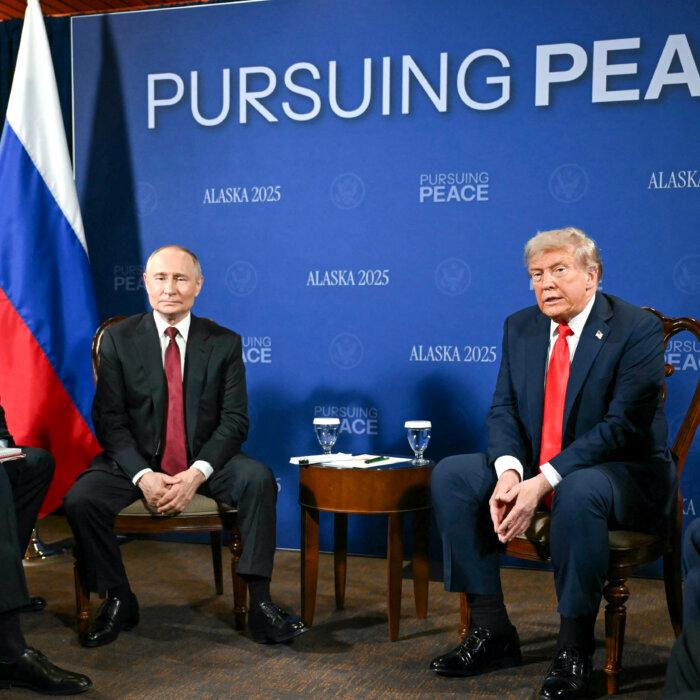
“We believe that this already gives grounds for optimism that the United States will support this initiative of President Putin,” he told reporters on Oct. 6.
Slow-moving discussions come against the backdrop of continuing war in Ukraine and escalating rhetoric on both sides.
China, UK, France in the Spotlight
Trump has repeatedly expressed interest in broadening nuclear talks to include China.He raised the idea of a trilateral summit with Putin and Chinese leader Xi Jinping earlier this year, arguing that Beijing’s growing arsenal must be part of any future arms-control framework. Beijing rejected the idea.
Moscow has said that the arsenals of the UK and France—two nuclear powers aligned with Washington—will eventually have to be addressed.
“Of course the negotiations should be started at the bilateral level. After all, the New START Treaty is a bilateral document,” he said. “But in the future, it will not be possible to abstract ourselves from these arsenals. Especially since these arsenals are part of the overall problem of global European security and strategic stability.”
According to the Stockholm International Peace Research Institute, the United States and Russia together hold roughly 90 percent of the world’s nuclear weapons.
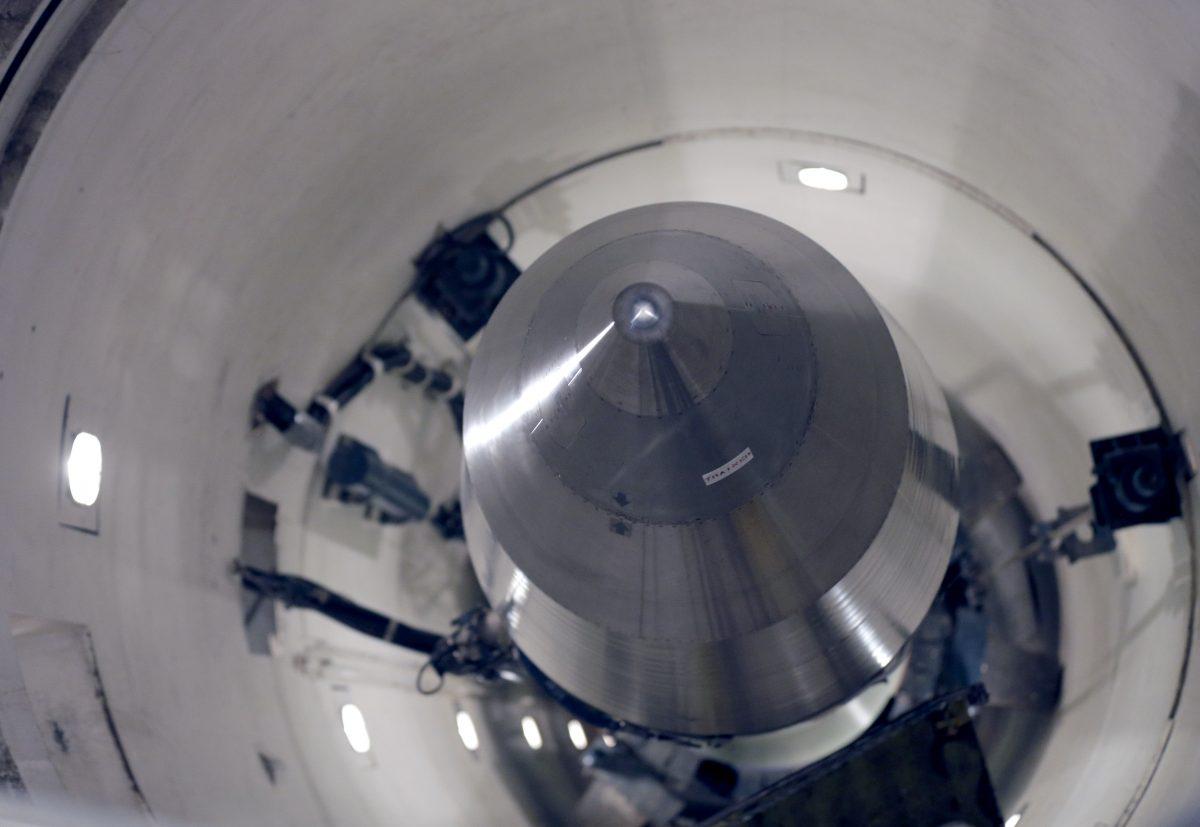
Russia has a total inventory of 5,459 nuclear warheads, and the United States has 5,177, according to the Federation of Atomic Scientists. Both figures include retired warheads.
Biden’s Extension, Russia’s Suspension
The New START has faced repeated political turbulence.In 2021, shortly after U.S. President Joe Biden took office, the treaty was extended by five years. In February 2023, Putin announced that Russia was suspending its participation in the New START.
U.S. officials warn that the absence of verification undermines transparency and could erode trust over time.
The State Department has said that without on-site inspections, Washington’s ability to monitor Russia’s nuclear forces will diminish, limiting the information needed to shape U.S. nuclear policy.
Putin said that once an extension is in place, Moscow would decide whether to keep honoring the voluntary limits after reviewing the situation.